
Naousa (Imathia): Macedonian city known for orchards, archaeology and Xinomavro wine
Naousa is a city in Imathia, Macedonia, Greece, noted for productive orchards, the archaeological area of ancient Mieza and the Xinomavro wine tradition centered on the Naoussa zone.
Naousa is a town in the Imathia regional unit of Macedonia, in northern Greece. Set amid fertile plains and the lower slopes of surrounding hills, it is the administrative centre of a municipality that covers roughly 301 km² and has a population of about 22,000 inhabitants. The local economy combines intensive agriculture, a long-established wine tradition, light industry and cultural tourism.
Image gallery
10 Images


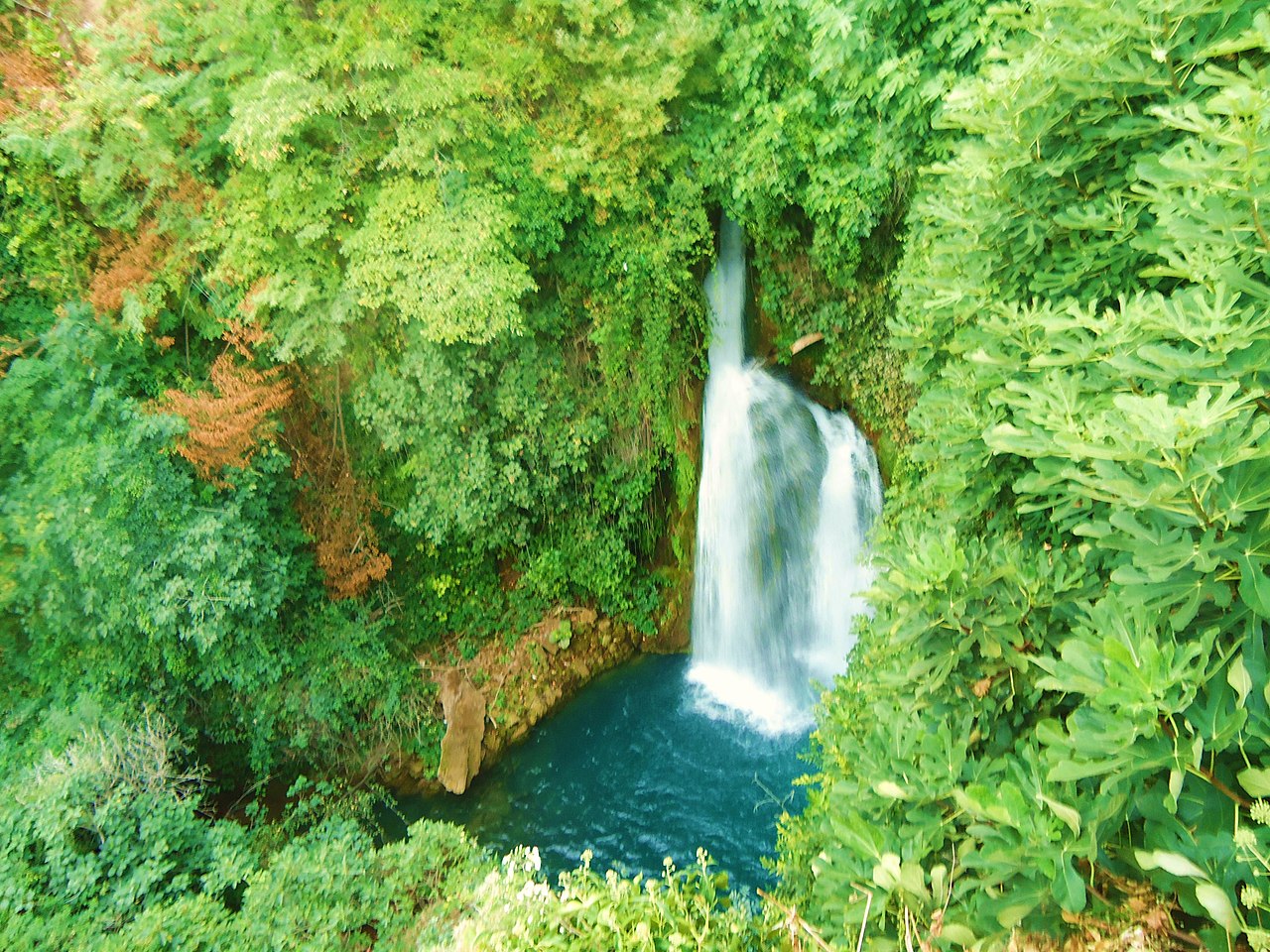


Landscape and economy
The countryside around Naousa is dominated by orchards and cultivated fields. Farmers grow peaches, apples, cherries and other temperate fruits for domestic sale and export. Viticulture is an important activity: the red Xinomavro grape is extensively planted in the area and wines labelled from the Naoussa zone are widely recognised within Greece. Small manufacturing enterprises and service businesses complement agricultural incomes, while increasing visitor interest supports hospitality and cultural services.
History and archaeology
Naousa lies close to the ancient site commonly identified as Mieza, where classical authors link a rural educational setting with the young Alexander the Great. The site often referred to as the School of Aristotle is interpreted by archaeologists and guides as part of the wider landscape where philosophy and education were practised in antiquity; excavations have revealed remains that help interpret rural settlement and teaching in the classical period. The modern town also bears traces of later historical phases, including medieval and Ottoman-era development and industrial changes of the 19th and 20th centuries.
Culture, landmarks and events
Cultural life in Naousa combines traditional rural customs with events that celebrate local produce and heritage. The town hosts wine-related events and harvest fairs, and small museums and interpretive displays present archaeological finds and regional history. Architecturally, Naousa features churches, public buildings and 19th–20th century houses that reflect its changing fortunes over time. Outdoor recreation is possible on nearby hills and river valleys, which attract visitors for short excursions and nature walks.
Practical notes and notable facts
- Primary agricultural products: peaches, apples, cherries and Xinomavro wine.
- Archaeology: the excavated area around ancient Mieza is interpreted as the setting for classical instruction often associated with Aristotle; visitor information treats those associations with scholarly caution and context.
- Economy: a mix of orchards, vineyards, light industry and tourism-shaped services.
- Access: Naousa is reachable from regional centres by road and serves as a gateway for visitors exploring central Macedonian cultural routes.
For further reading about the region and the archaeological site near Naousa see resources on Aristotle's School at Mieza and general overviews of the Macedonian landscape and heritage in Greece.
Questions and answers
Q: Where is Naousa located?
A: Naousa is located in the region of Macedonia in Greece.
Q: What was Naousa previously known as?
A: Naousa was previously known as Naoussa.
Q: In which part of Imathia prefecture is Naousa located?
A: Naousa is located in the west part of Imathia prefecture.
Q: What is the population of Naousa?
A: The population of Naousa is 22,288 inhabitants.
Q: What kind of fruits are produced in the orchards surrounding Naousa?
A: The orchards surrounding Naousa produce peaches, apples, cherries and other fruits.
Q: Why does Naousa have a long and rich history?
A: Naousa has a long and rich history because there are many archaeological places there.
Q: What famous site can be found in Naousa?
A: The site of the ancient School of Aristotle where Alexander The Great studied moral philosophy, philosophy and politics can be found in Naousa.
Related articles
Author
AlegsaOnline.com Naousa (Imathia): Macedonian city known for orchards, archaeology and Xinomavro wine Leandro Alegsa
URL: https://en.alegsaonline.com/art/68316
Sources
- statistics.gr : "(875 KB) 2001 Census"