
Napa, California
Napa, the county seat of Napa County in northern California, is a riverfront city at the heart of Napa Valley, internationally known for its wine industry, tourism, and culinary scene.
Overview
Napa is a small city in northern California that serves as the county seat of Napa County. Located at the northern end of the Napa Valley, it functions as both a residential community and a service center for the surrounding agricultural region. The city is closely identified with viticulture and wine-related tourism but also supports local government, retail, and cultural amenities.
Image gallery
10 Images






Geography and climate
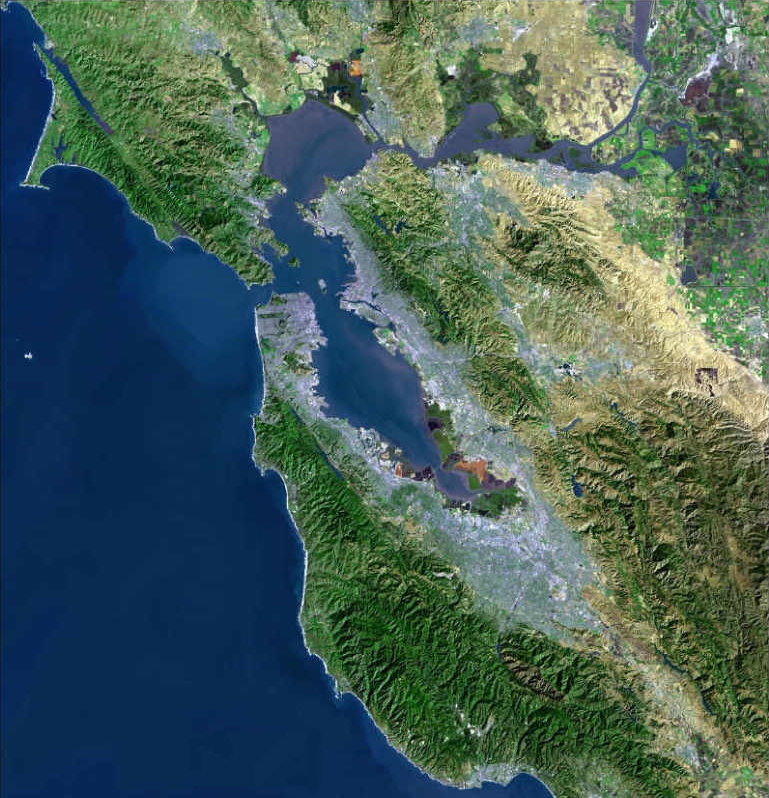
The city lies alongside the Napa River and is framed by the valley's rolling hills. Its climate is Mediterranean in character, with cool, wet winters and warm, dry summers—conditions that favor grape growing throughout the surrounding valley. Urban and agricultural land uses intermingle on the valley floor and lower slopes around the city.
History and development
Before Euro-American settlement the area was home to Indigenous peoples of the region. Later it became part of Spanish and Mexican land grants and was settled by American pioneers in the nineteenth century. Napa grew as a local commercial hub and remained the county seat as vineyards and wineries expanded. The city has evolved from an agricultural town into a destination for visitors while preserving historic downtown streets and public buildings.
Economy and cultural life
Napa's economy is dominated by the wine industry, including vineyards, wineries, tasting rooms, and related hospitality services. The city also supports restaurants, artisanal food producers, markets, and tourist accommodations. Cultural offerings include galleries, performing arts events, and seasonal festivals. Many visitors use Napa as a base for exploring the broader Napa Valley wine region.
Attractions and notable facts
- Downtown Napa and its riverfront promenade, with shops and dining.
- Oxbow Public Market and local culinary producers.
- Wine tasting rooms, winery tours, and the Napa Valley Wine Train.
- Proximity to scenic drives and outdoor recreation in the valley hills.
Distinctions and practical information
Napa acts as an administrative center for the county and a primary gateway to the region's vineyards. The city has recovered and adapted through fires and seismic events in recent decades and remains a focal point for sustainable agriculture, hospitality innovation, and small-city cultural life. For more on the state's context see California, on county matters see Napa County, and for local waterway information see the Napa River.
Related articles
Author
AlegsaOnline.com Napa, California Leandro Alegsa
URL: https://en.alegsaonline.com/art/68320
Sources
- www2.census.gov : "2016 U.S. Gazetteer Files"