
Nairi (late Bronze Age peoples of the Armenian Highlands)
Nairi were a group of Late Bronze Age tribes in the Armenian Highlands around Lake Van, known from Near Eastern texts and later associated with the Kingdom of Urartu and Armenian cultural memory.
Overview
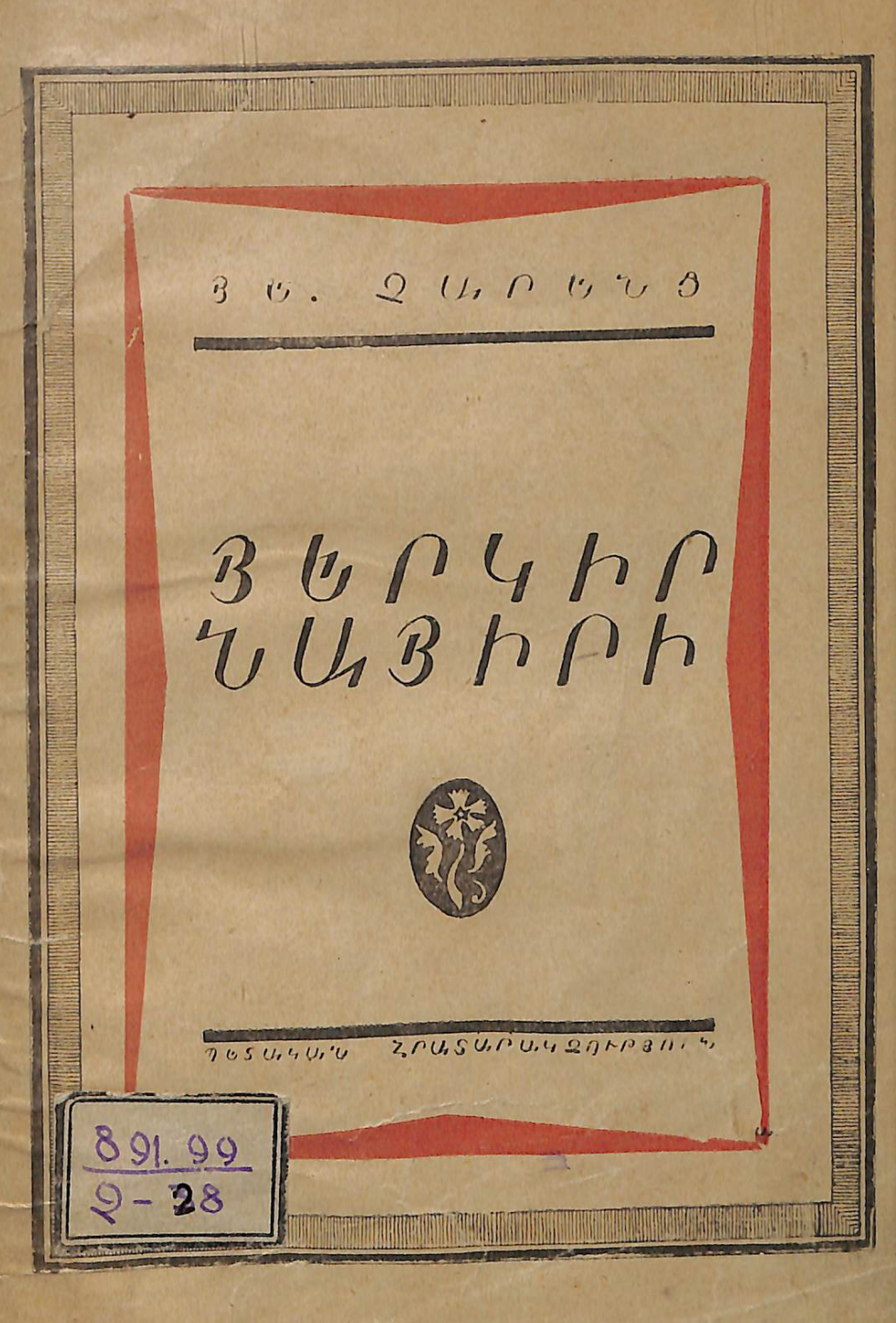
Nairi refers to a collection of tribal polities recorded in Near Eastern sources during the late Bronze and early Iron Ages who lived in the highlands surrounding what is now eastern Turkey. The name appears in inscriptions and chronicles and is often cited in Armenian tradition as Նաիրի. Scholars treat Nairi as a regional label rather than a single centralized state.
Image gallery
2 Images
Territory and characteristics
Geographically, the Nairi lands lay in the plateau and mountain zones around Lake Van and extended into adjacent valleys. The area later became the core of the Kingdom of Urartu. Archaeological remains show fortified settlements, hilltop strongholds and agricultural communities adapted to highland conditions. Material culture demonstrates contacts with neighbouring Mesopotamia and Anatolia.
Historical sources and identity
Information about the Nairi comes primarily from external records, especially Assyrian royal annals and other Near Eastern texts that mention campaigns or tribute from Nairi districts, described collectively as a group of small principalities. The exact ethnic and linguistic identity of their inhabitants remains uncertain; some scholars see cultural continuities with later inhabitants of the Armenian Highlands, while others emphasize the mixed, multi-ethnic character of the region at that time.
Development and relation to Urartu
By the early first millennium BCE the political landscape changed as larger polities such as Urartu consolidated control over many of the former Nairi districts. This transformation involved the integration of local centres into broader state structures, though local traditions and place names persisted. The term Nairi subsequently appears less as a political term and more in literary or geographical contexts.
Legacy and cultural importance
The name and memory of Nairi have been preserved in later historical writing and regional folklore. In modern times it figures in Armenian cultural references and historical discussions about the origins of peoples in the highland zone. For general background on Bronze Age and early Iron Age highland societies see broader surveys of the region Bronze Age studies and regional histories around Lake Van and Urartu.
Notable distinctions
- Nairi is best understood as a loose confederation of principalities rather than a unified kingdom.
- Sources are primarily non-local; archaeological work continues to refine which sites correspond to Nairi districts.
- The term survived in cultural memory even as political control shifted to Urartu and later polities.
Related articles
Author
AlegsaOnline.com Nairi (late Bronze Age peoples of the Armenian Highlands) Leandro Alegsa
URL: https://en.alegsaonline.com/art/68141