
Nagorno-Karabakh Defense Army
The military force formed in 1992 by the self-proclaimed Nagorno-Karabakh Republic (Artsakh). Ethnically Armenian in composition, its status and territory remain internationally disputed.
The Nagorno-Karabakh Defense Army was established on May 9, 1992, as the regular armed force of the self-declared Nagorno-Karabakh Republic (also called the Republic of Artsakh). Its personnel were drawn mainly from the local ethnic Armenian population and volunteers. Support, training and equipment were provided in varying degrees by Armenian authorities and diaspora networks, while the entity that created it has not been recognised as a sovereign state by the United Nations or most governments: most international bodies regard Nagorno-Karabakh as part of Azerbaijan (international law), even as local Armenian sources describe the force as integral to community defence (Armenian sources).
Image gallery
10 Images


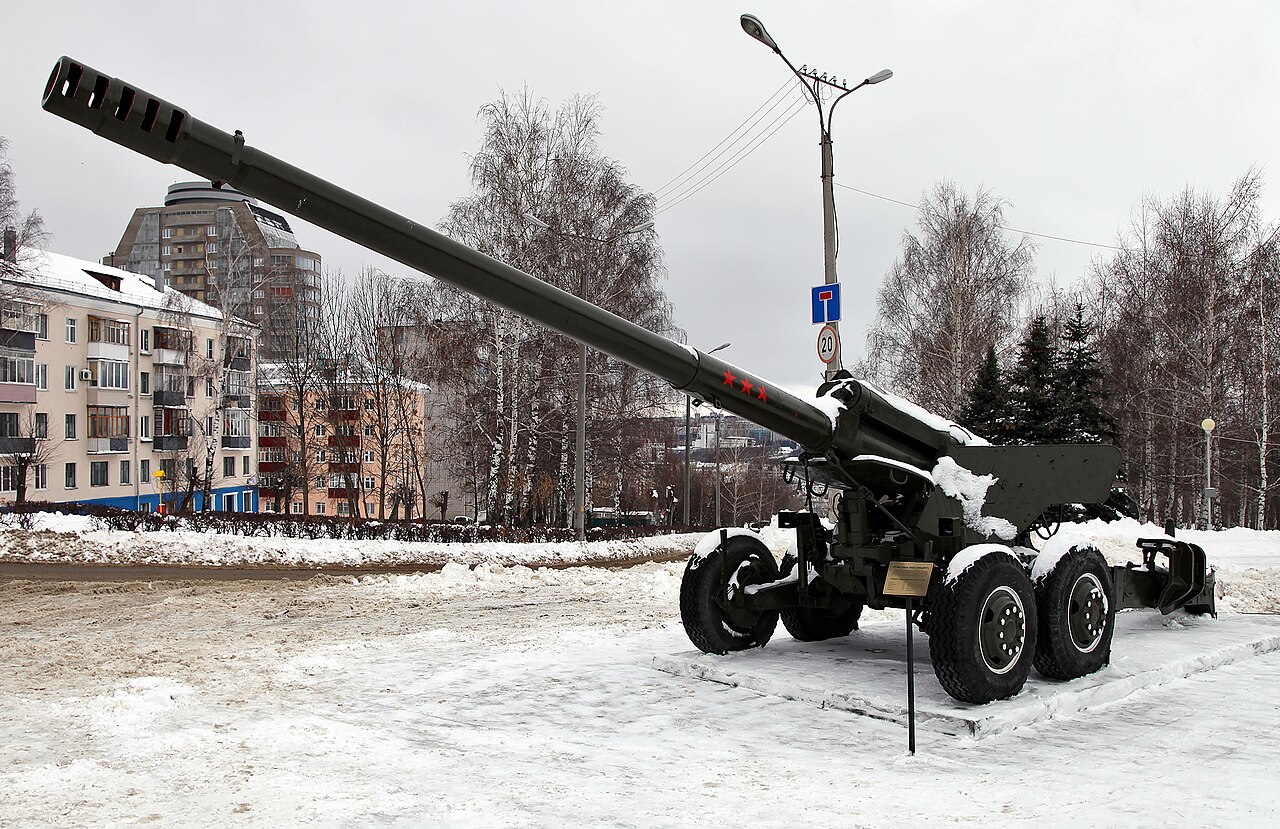

Role and organisation
Originally organised to defend populated areas and supply lines, the Defence Army combined infantry formations with artillery, air-defence and logistics elements typical of a regional territorial army. Units included conscripts, reservists and professional soldiers; many personnel had combat experience from the conflict that accompanied the breakup of the Soviet Union. Its peacetime functions encompassed border and internal security, mobilization planning and maintenance of forward positions.
History and development
The force emerged in the context of the late-1980s and early-1990s fighting between Armenian and Azerbaijani forces over Nagorno-Karabakh. After a ceasefire in 1994, the Defence Army remained the de facto military authority in the enclave. Large-scale hostilities returned in 2020 and again in later episodes, events that materially affected territorial control, force deployments and the political status of the region.
Importance and notable facts
The Defence Army played a central role in local governance, security and collective memory; veterans and monuments are prominent in Armenian communal narratives. At the same time its existence exemplifies tensions between de facto authorities and international norms about sovereignty and territorial integrity, a diplomatic and legal fault line that has shaped peace efforts and regional security initiatives.
Contemporary context
In modern accounts the force is discussed both as a defensive institution rooted in community mobilisation and as a subject of negotiation in ceasefire and peace talks. Any current or future status of the force is dependent on political agreements, international mediation and the practical realities on the ground.
Related articles
Author
AlegsaOnline.com Nagorno-Karabakh Defense Army Leandro Alegsa
URL: https://en.alegsaonline.com/art/68106