
Napalm: composition, history, properties and military use
Napalm is a thickened incendiary fuel used to create sticky, long-burning fire. This article summarizes its development, chemistry, historical use, effects, and distinctions from other incendiaries.
Overview
Napalm refers to a class of incendiary mixtures that produce a viscous, highly flammable gel designed to stick to surfaces and burn for an extended period. As a weapon, it has been employed in ground and aerial munitions and in portable flamethrowers. The term originally described gelatinized petrol and related fuels that solved practical problems encountered with earlier liquid fuels used in combat. For background on the physical category, see flammable liquids and for general context of military use see war.
Image gallery
7 Images



Chemistry and physical characteristics
Early napalm was made by adding a soap-like thickening agent to gasoline to create a jelly that would not splash or drain away as readily as plain fuel. During World War II a research group at Harvard, led by Louis Fieser, developed an early formula that used metal salts of fatty acids to produce the gelling action; this naming origin is reflected in the word "napalm," derived from naphthenic and palmitic acids. See a historical reference to the wartime development at World War II. Traditional gasoline and petrol fuels are commonly called gasoline in civilian usage. The original thickening ingredients included coprecipitated aluminum salts related to aluminum chemistry and fatty acids such as naphthenic and palmitic acids.
Types and modern formulations
Formulations evolved over time. What became known as napalm-B replaced earlier natural-rubber thickeners with combinations of hydrocarbon solvents and polymers. A common modern gel is made from aromatic solvents such as benzene and plastic polystyrene-type thickeners such as polystyrene, producing a cheaper, more stable incendiary gel. These mixtures remain prone to intense heat release, adhesion to targets, and long burn durations compared with unthickened fuel.
History and military use
While gelled fuel is a 20th-century technical development, incendiary weapons have a long history. Pre-modern analogues include early incendiaries such as Greek fire, and the introduction of portable flame-projecting devices occurred in the 20th century: the flamethrower was introduced in World War I and later adapted by many armies. Napalm and similar gels were adopted because they improved range, adhesion, and persistence relative to raw liquid fuels; flamethrowers and aerial-delivered incendiaries benefited from these properties. For background on flame weapons, see flamethrowers.
Effects, uses and controversies
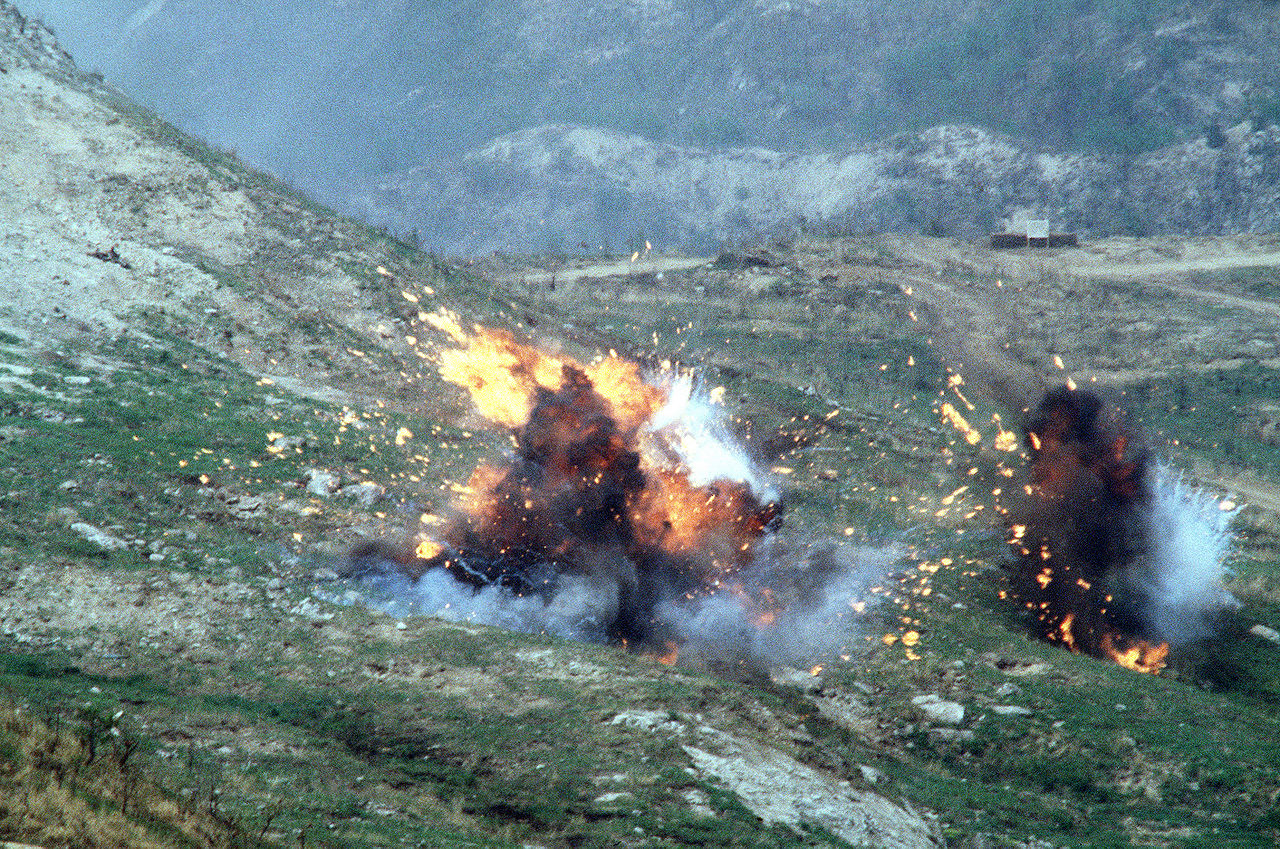
Napalm burns at high temperature and adheres to skin and structures, causing severe burns and fires that are difficult to extinguish. In confined or densely packed environments the combustion can rapidly consume available oxygen and produce toxic gases such as carbon monoxide, presenting lethal hazards beyond thermal injury. Militaries have used napalm in various roles: to clear vegetation or fortifications, to deny terrain, and in incendiary bombs and flamethrowers. Notable wartime applications include use by the United States and allied forces in several 20th-century conflicts, including extensive use in the Vietnam War, where it was sometimes employed to clear helicopter landing zones and target positions. Public reaction to civilian harm and long-term injuries helped drive restrictions and debate about incendiary weapons.
Legal status and distinctions
Following the mid-20th century, evolving customary practice and international instruments began to restrict incendiary weapons, particularly their use against civilian populations. Today many states treat incendiary munitions differently under weapons protocols, and their employment is subject to legal and ethical constraints. It is important to distinguish napalm from other incendiary or energetic materials: for example, thermite produces high localized temperatures by an exothermic metal-oxide reaction and does not behave as an adhesive gel, while white phosphorus burns and produces dense smoke but has different chemical and physical behavior. For broader context on incendiary technology and its history, see general treatments of incendiary devices and historical antecedents such as Greek fire, and the early modern military adoption following World War I.
Summary and notable facts
- Origin of the name: "napalm" reflects early ingredients (naphthenic + palmitic acids) and the metal salts used to gel fuel.
- Primary qualities: adherent, long-burning, and able to sustain combustion where unthickened fuels would run off.
- Common modern composition: aromatic solvents with polymer thickeners; often called napalm-B in 20th-century sources.
- Humanitarian impact: cause of severe injury and subject of international concern and restrictions.
For further technical, historical, or legal detail consult specialized sources and archival accounts. Additional reading and historical documents can be found through archival repositories and technical histories of military ordnance, academic chemistry histories, and international humanitarian law summaries.
Online references for general topics mentioned: flammable liquids, war, gasoline, World War II, aluminum, naphthenic acid, flamethrowers, benzene, polystyrene, allied forces, carbon monoxide, Vietnam War, landing zones, incendiary devices, Greek fire, World War I.
Questions and answers
Q: What is napalm?
A: Napalm is a type of flammable liquid that has been used in war. It is usually gasoline that has been turned into a jelly, and it contains coprecipitated aluminum salts of naphthenic and palmitic acids.
Q: Who invented napalm?
A: Napalm was invented by a team of Harvard chemists during World War II, led by Louis Fieser.
Q: What were the problems with earlier liquids used for lighting fires?
A: The main problem with earlier liquids used for lighting fires was that they splashed and drained too easily.
Q: Why did the U.S. prefer to use gasoline gel instead of rubber-based incendiaries?
A: The U.S. preferred to use gasoline gel because it was much cheaper than rubber-based incendiaries, which were in high demand and expensive at the time.
Q: What are some effects of using napalm bombs?
A: When using napalm bombs, they rapidly deoxygenate the available air and make large amounts of carbon monoxide which can suffocate people nearby.
Q: How was napalm used in the Vietnam War?
A: In the Vietnam War, napalm bombs were used to clear landing zones for helicopters.
Q: How long has incendiary devices been around for warfare purposes? A: Incendiary devices have been around since ancient times as part of warfare purposes - such as Greek fire - but modern day napalm was only invented during World War II in the 20th century
Tags
Related articles
Author
AlegsaOnline.com Napalm: composition, history, properties and military use Leandro Alegsa
URL: https://en.alegsaonline.com/art/68324
Sources
- globalsecurity.org : "Napalm"
- gruntonline.com : gruntonline.com/US_Forces/US_Artillery/arty13d.htm
- advance.uconn.edu : Napalm Survivor Tells of Healing After Vietnam War
- sipri.org : sipri.org
- fletcher.tufts.edu : fletcher.tufts.edu
- globalsecurity.org : "MK-77 - Dumb Bombs"
- signonsandiego.com : signonsandiego.com/news/military/20030805-9999_1n5bomb.html
- norwaves.com : norwaves.com
- dvdtalk.com : "Chuck Palahniuk - Author of Fight Club"