
National Museum of the United States Air Force
Official museum of the U.S. Air Force at Wright-Patterson AFB near Dayton, Ohio. Houses over 400 aircraft and missiles, with restoration, exhibits on aviation and space history, and free admission.
Overview
The National Museum of the United States Air Force is the official museum representing the history, technology, and heritage of the U.S. Air Force. Located on Wright-Patterson Air Force Base near Dayton, Ohio, it displays a vast range of aerospace vehicles and artifacts. The museum's collection totals more than 400 aircraft and missiles, most exhibited indoors, and serves as a public center for education, preservation, and research. It is closely associated with the United States Air Force and supports outreach to the public, veterans, students, and scholars.
Image gallery
10 Images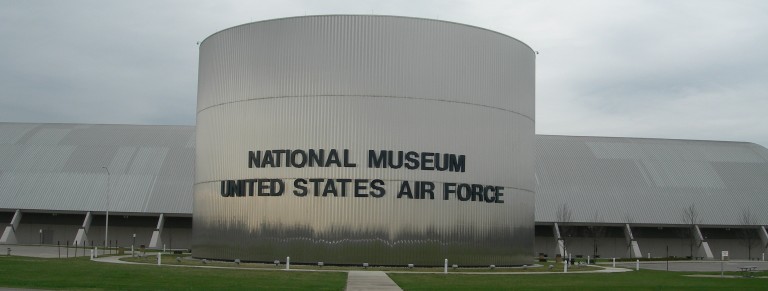


Collections and displays
The museum's holdings span the earliest years of powered flight to modern jet and space-era technology. Visitors encounter fighters, bombers, cargo planes, trainers, reconnaissance aircraft, missile systems, and space-related artifacts. Exhibits emphasize design, operational history, and the people who developed and flew these machines. Notable exhibit types include:
- Historic military combat aircraft and support types
- Missile and aerospace systems illustrating strategic deterrence and propulsion
- Interactive and educational displays that explain avionics, propulsion, and aeronautical engineering
- Archives, uniforms, artwork, and personal items that document airmen's experiences
History and development
The museum grew from early Air Service and Air Corps collections into a large, centrally administered institution. Over decades it expanded exhibition space and conservation facilities to accommodate an increasing number of large airframes and artifacts. The site has developed specialized restoration hangars and climate-controlled exhibition halls to preserve fragile materials and present aircraft in historically accurate condition.
Programs, research, and restoration
Beyond public displays, the museum operates active conservation and restoration programs that return historic aircraft to display condition. Curators and technicians preserve airframes, components, and documentation, and the institution maintains an archive and reference library for scholars. Educational programs, temporary exhibitions, and community events interpret aviation history and encourage careers in science and engineering.
Visiting and significance
Admission to the museum is free, and it receives visitors from around the world who come to learn about aviation, military history, and aerospace technology. The museum is often cited as one of the largest military aviation museums in the world. For more information on exhibits, hours, guided tours, and special events, the museum provides online resources and visitor services to plan a trip. See the aircraft guide for examples of displayed types and technical data at the museum's aircraft pages.
The National Museum of the United States Air Force functions as a living repository of American air and space heritage: it conserves artifacts, interprets their stories, and connects technological achievement with the people and events that shaped aviation history.
Questions and answers
Q: What is the National Museum of the United States Air Force?
A: The National Museum of the United States Air Force is the official national museum of the United States Air Force.
Q: Where is the National Museum of the United States Air Force located?
A: The National Museum of the United States Air Force is located on Wright-Patterson Air Force Base, near Dayton, Ohio.
Q: How many aircraft and missiles are on display at the National Museum of the United States Air Force?
A: Over 400 aircraft and missiles are on display at the National Museum of the United States Air Force, most of them indoors.
Q: Is admission to the National Museum of the United States Air Force free?
A: Yes, admission to the National Museum of the United States Air Force is free.
Q: What was the National Museum of the United States Air Force formerly called?
A: The National Museum of the United States Air Force was formerly called the United States Air Force Museum.
Q: What kind of displays can be found at the National Museum of the United States Air Force?
A: The National Museum of the United States Air Force displays over 400 aircraft and missiles, with most of them being located indoors.
Q: Where can visitors find the National Museum of the United States Air Force?
A: Visitors can find the National Museum of the United States Air Force on Wright-Patterson Air Force Base, near Dayton, Ohio.
Related articles
Author
AlegsaOnline.com National Museum of the United States Air Force Leandro Alegsa
URL: https://en.alegsaonline.com/art/68666