
MySQL: Overview, features, history and common uses
MySQL is a widely used open-source relational database management system that stores data in tables and is accessed with SQL. It is common for web applications and supports multiple storage engines, replication, and connectors.
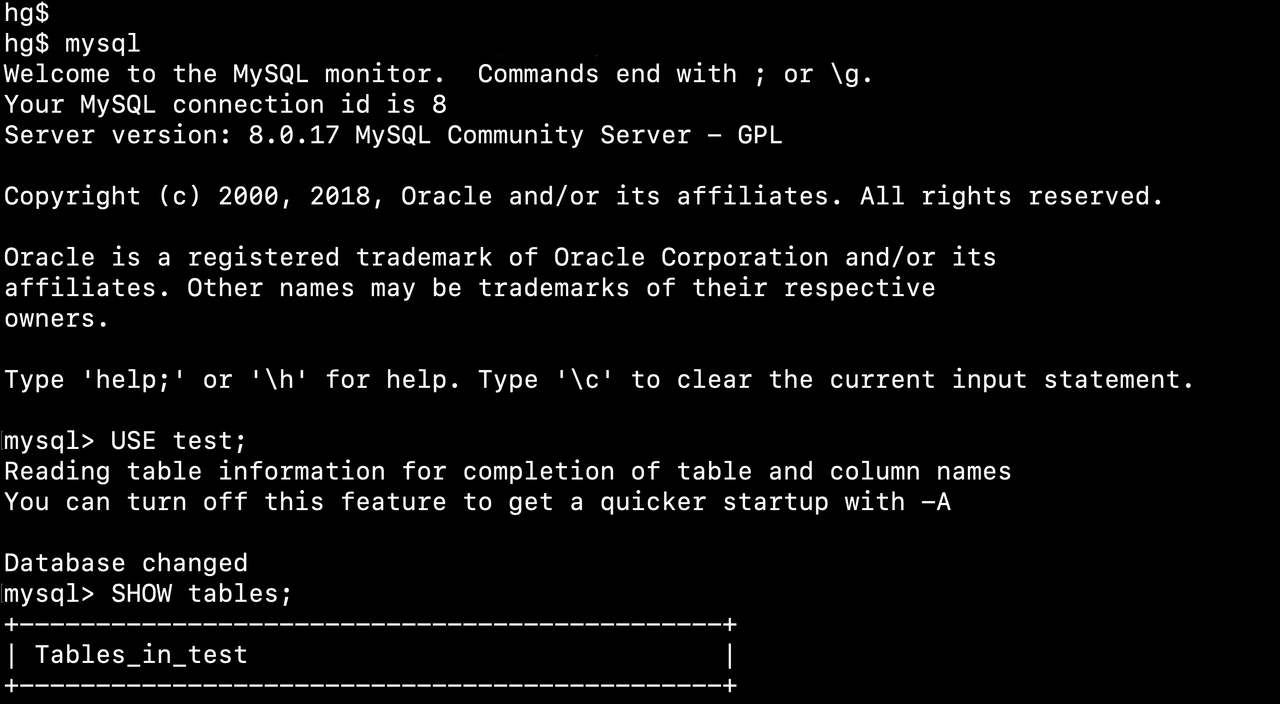
MySQL is a relational database management system (RDBMS) that organizes structured data into databases, tables (rows and columns), indexes and constraints. It is accessed using SQL (Structured Query Language) and typically follows a client–server model: applications connect to a MySQL server using language-specific connectors or client programs to run queries and manage data.
Image gallery
4 Images


Key characteristics
MySQL implements a dialect of SQL for defining, querying and modifying data. Common capabilities include indexing, transactions (when using ACID-capable storage engines), foreign keys, stored routines (procedures and functions), triggers, and various replication methods for distributing data. The system is available on many operating systems and is supported by numerous administration and development tools.
Structure and basic usage
Data is stored in tables and queried with statements such as SELECT, INSERT, UPDATE and DELETE. A simple lookup example might be:
SELECT id_number FROM main_database WHERE name = 'John';
Table schemas are created with CREATE TABLE statements. Applications interact with MySQL through connectors or drivers for languages such as C, Java, Python, PHP and others, and through client tools that provide command-line or graphical interfaces.
Storage engines and behavior
One distinctive feature of MySQL is support for multiple storage engines. Different engines provide different trade-offs: some focus on transaction support and crash recovery, while others prioritize fast read-only access or minimal storage overhead. The choice of engine affects behavior for locking, transactions and foreign key enforcement.
Administration, tools and ecosystem
Administrators commonly use tools for backup, restore, monitoring and performance tuning. Backups can be logical (SQL dumps) or physical (file-level copies), and many third-party and community tools exist for incremental backups and point-in-time recovery. Monitoring covers metrics like query latency, connections, cache hit ratios and replication lag.
Replication, scaling and high availability
Scaling and availability are achieved through multiple approaches such as replication, clustering, sharding and caching layers. Replication can be asynchronous, semi-synchronous or implemented with group replication and other high-availability technologies. Each approach balances consistency, latency and operational complexity.
Security and maintenance
Security best practices include using strong authentication, limiting network exposure, applying least-privilege grants, enabling encryption for connections and data-at-rest where supported, and keeping the server and client libraries updated. Regular maintenance tasks include optimizing queries, rebuilding indexes and applying patches.
History, distributions and variants
MySQL originated as a popular choice for Internet applications and has evolved through community and commercial stewardship. Over time, forks and alternative distributions have emerged to address different licensing, feature or performance preferences; some of these community-driven variants are widely used in production environments.
Common uses
- Web applications and content management systems
- E-commerce platforms and transactional services (with appropriate storage engines)
- Analytical workloads, reporting and logging (often combined with replicas or read-only nodes)
- General-purpose application back ends where structured schemas and SQL are suitable
Further information
For official documentation and downloads see the official documentation and related project or vendor pages such as the project site. These sources provide up-to-date reference material, tutorials and release notes for administrators and developers.
Related articles
Author
AlegsaOnline.com MySQL: Overview, features, history and common uses Leandro Alegsa
URL: https://en.alegsaonline.com/art/68000
Sources
- dev.mysql.com : "Changes in MySQL 5.7.15"
- apple.com : Apple's Xserve uses MySQL