
Nail gun — power tool for driving nails
A nail gun is a powered tool that drives nails into wood, masonry or other materials. Available in pneumatic, electric, gas and powder-actuated types, it speeds construction tasks from framing to finishing.
A nail gun is a handheld power tool used to drive nails quickly and consistently into wood, drywall, concrete and other construction materials. Compared with a hammer, a nail gun greatly increases speed and reduces operator fatigue, making it common on job sites and in workshops. For general product information see power tool resources.
Image gallery
10 Images



Types and main parts
Nail guns are distinguished by their power source and the size/type of fastener they use. Typical categories include:
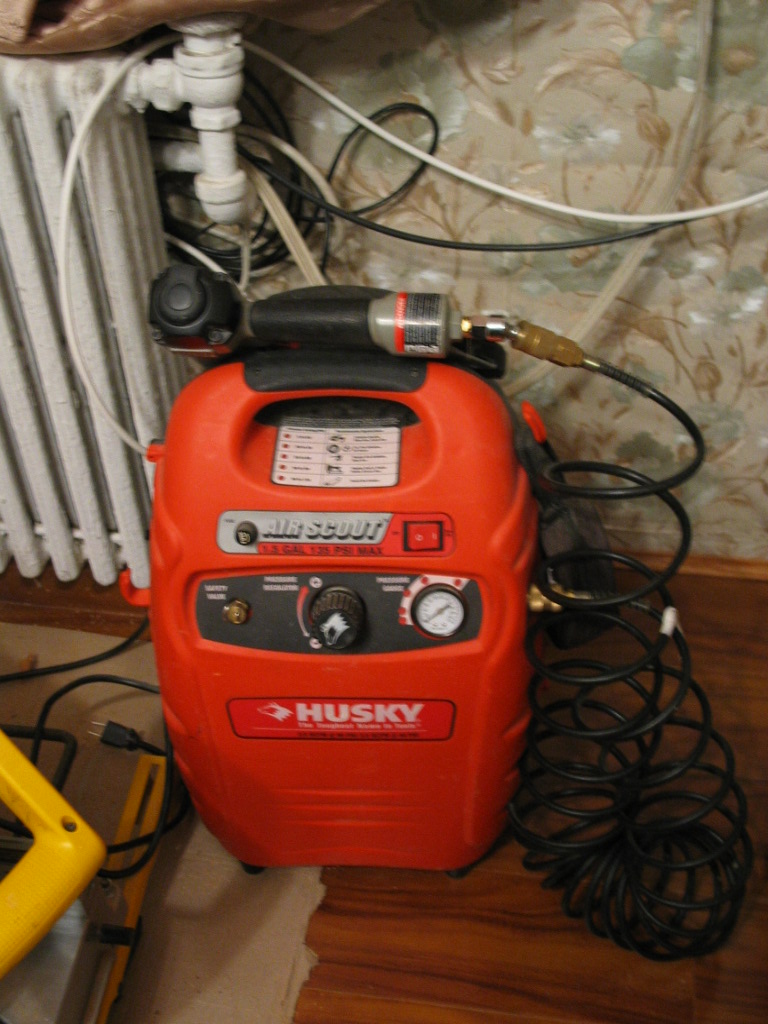
- Pneumatic: powered by compressed air from an external compressor.
- Cordless battery and gas-powered: use rechargeable batteries or small fuel cells for portability.
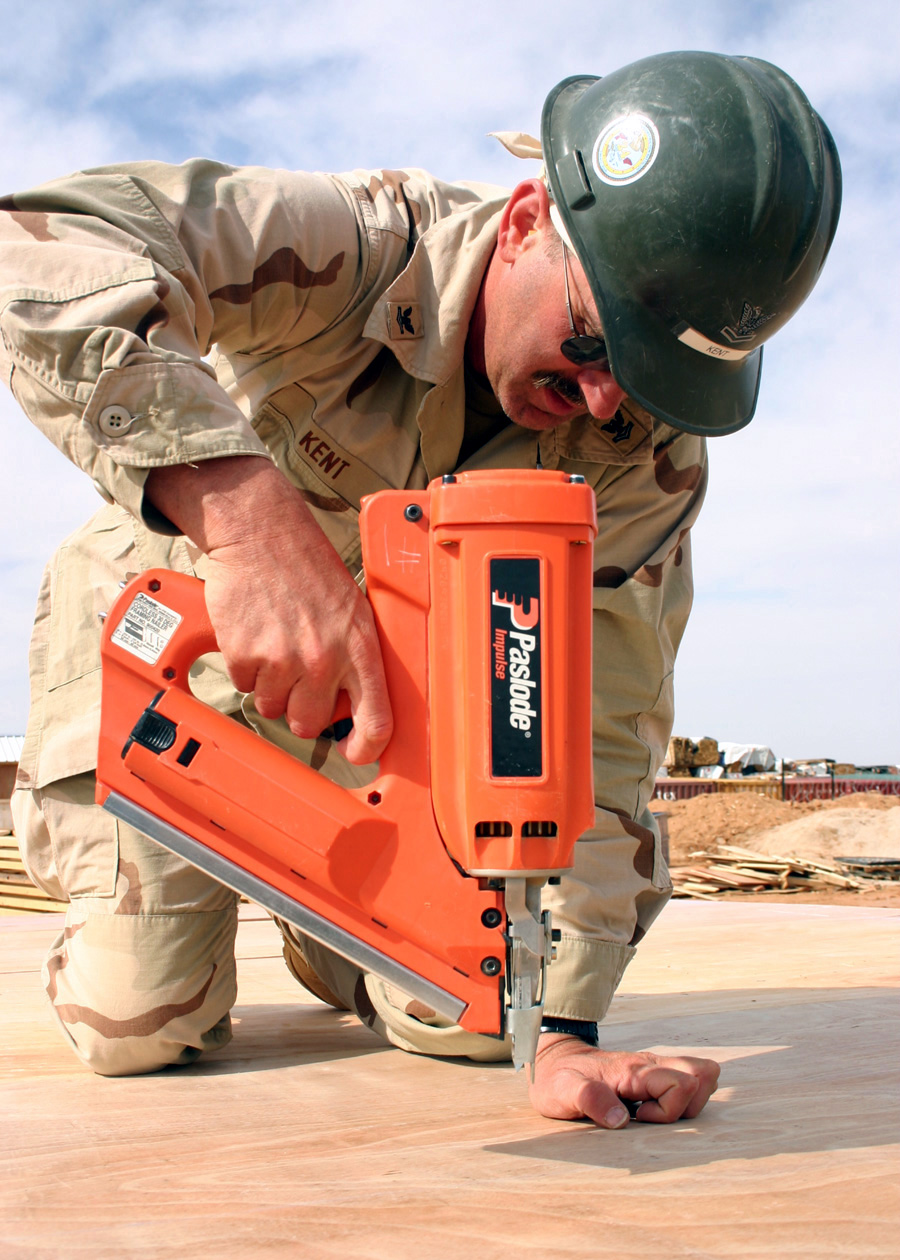
- Powder-actuated: use a controlled explosive charge to drive nails into concrete or steel.
- Specialty models: finish nailers, brad nailers, framing nailers and roofing nailers designed for specific tasks.
Common components are the magazine (strip or coil), driver blade, trigger, depth adjustment and safety contact (nosepiece). The tool requires the correct nail type and length for safe, reliable operation; manufacturers and suppliers provide guidance on compatible nails.
History and development
Nail guns emerged in the mid-20th century as pneumatic systems became practical for construction. Over decades the technology evolved into battery and gas variants to improve mobility, and into specialized tools that match particular trades such as finish carpentry or roofing.
Uses, advantages and safety
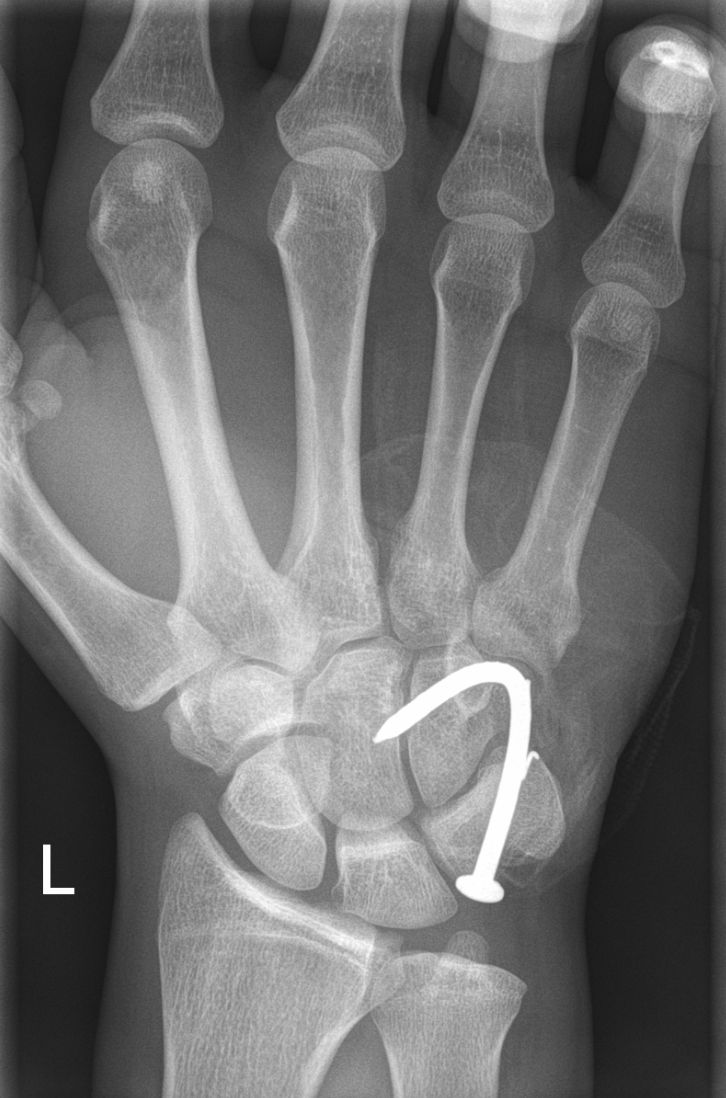
Common uses include framing, sheathing, flooring, trim work and installing siding or roofing. Advantages are speed, uniform fastening and reduced repetitive-motion strain. However, nail guns can cause serious injury if misused; safe practice includes eye and hearing protection, disconnecting power before clearing jams, and using sequential trip mode when learning. For comparisons with manual nailing methods see hammer versus nail gun.
Knowing the right type of nail gun and fastener for the job, following manufacturer instructions and observing basic safety procedures helps maximize productivity while minimizing risk on the job site.
Related articles
Author
AlegsaOnline.com Nail gun — power tool for driving nails Leandro Alegsa
URL: https://en.alegsaonline.com/art/68134