
Napier Deltic diesel engine
A distinctive opposed‑piston two‑stroke diesel with a triangular layout and three crankshafts, developed by D. Napier & Son and used in fast naval craft and British locomotives.
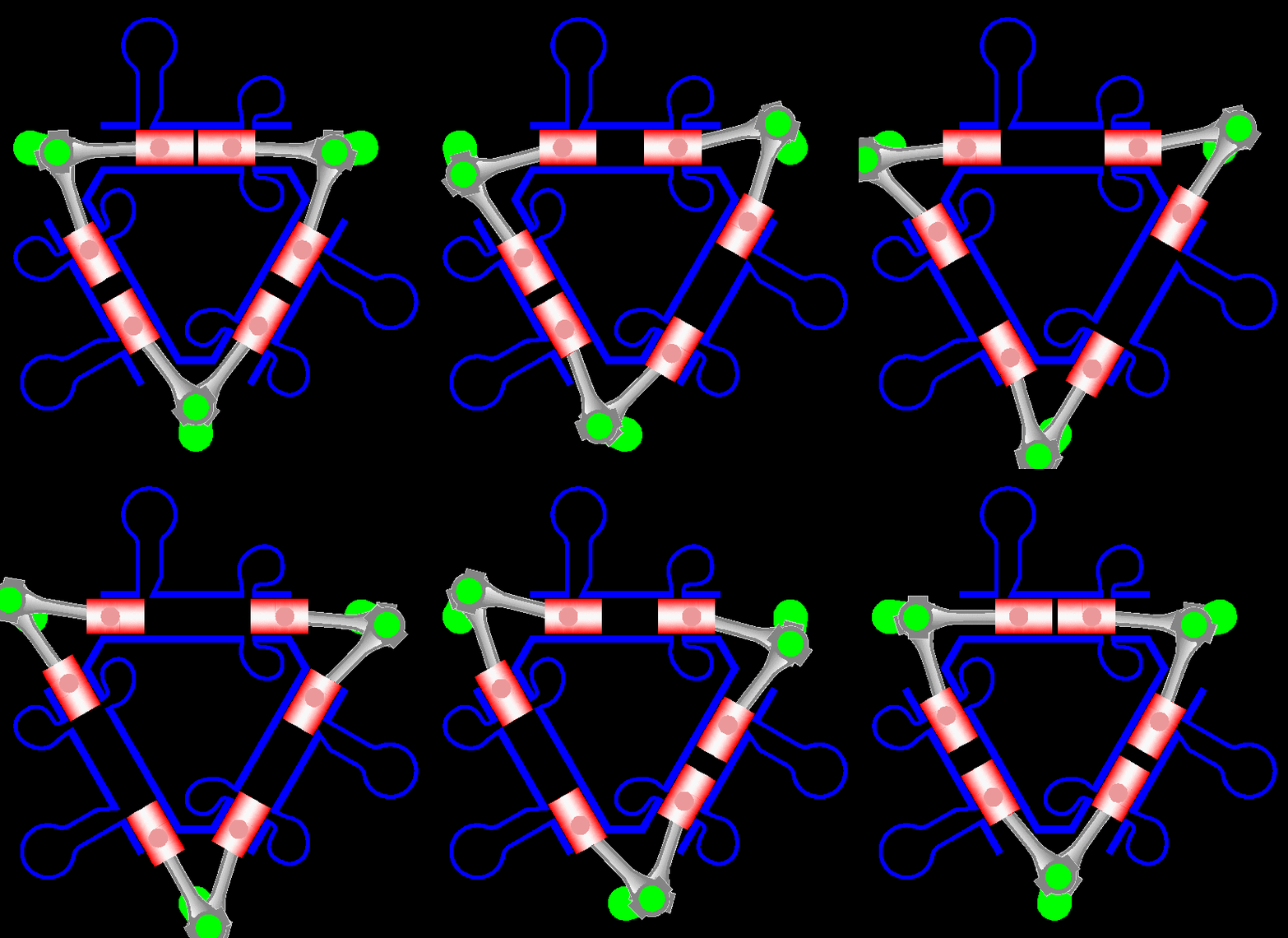
The Napier Deltic is an unconventional diesel engine design developed by D. Napier & Son in the mid‑20th century. Its name derives from the triangular, or delta, arrangement of cylinder banks. Rather than a conventional single crankshaft and cylinder head, the Deltic uses opposed pistons within each cylinder and places its cylinder banks at the corners of an equilateral triangle, with a crankshaft at each corner. This geometry gives the engine a compact form and a distinctive mechanical layout.
Image gallery
6 Images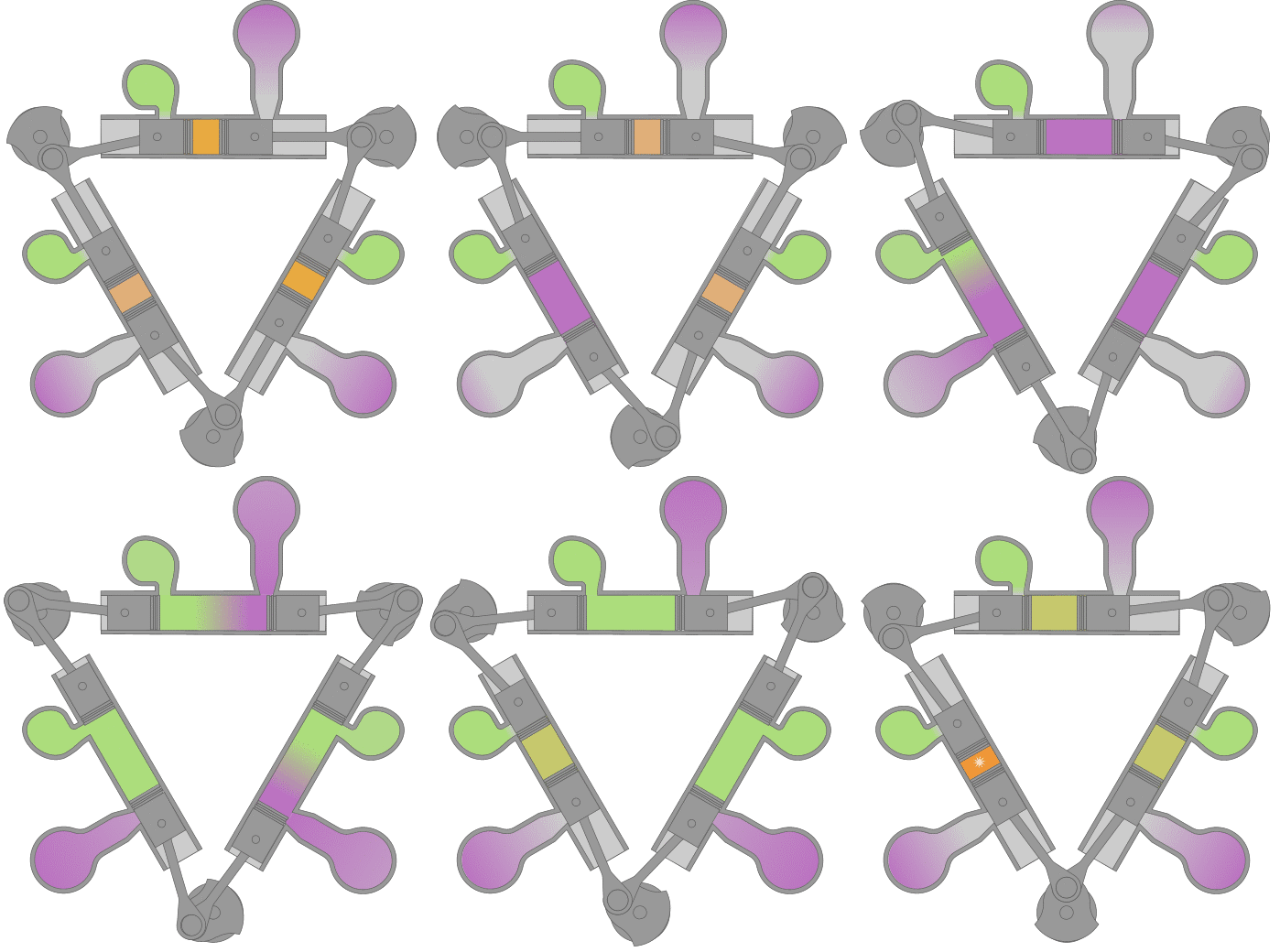


Design and key characteristics
At the heart of the Deltic concept are opposing pistons sharing a single combustion space and multiple crankshafts linked by gears. The basic attributes include:
- Opposed‑piston cylinders: Two pistons work toward one another in each cylinder, removing the need for a conventional cylinder head and valves.
- Triangular bank arrangement: Cylinder banks are arranged as the sides of a triangle, with crankshafts at the vertices.
- Multiple crankshafts and gearing: Three crankshafts are geared together to deliver output through a common drive.
- Two‑stroke operation: The engine operates on a two‑stroke cycle, requiring forced induction or scavenging to clear exhaust and supply fresh air.
Operation and mechanical details
The Deltic’s opposed‑piston layout produces efficient combustion and a favorable power‑to‑weight ratio for its era. Scavenging (clearing exhaust gases and filling the cylinder with fresh air) is achieved through dedicated blowers or scavenging systems paired with the two‑stroke cycle. The gearing that synchronizes the three crankshafts is mechanically complex but essential to maintain piston timing and transmit power to a single output shaft.
Applications and variants
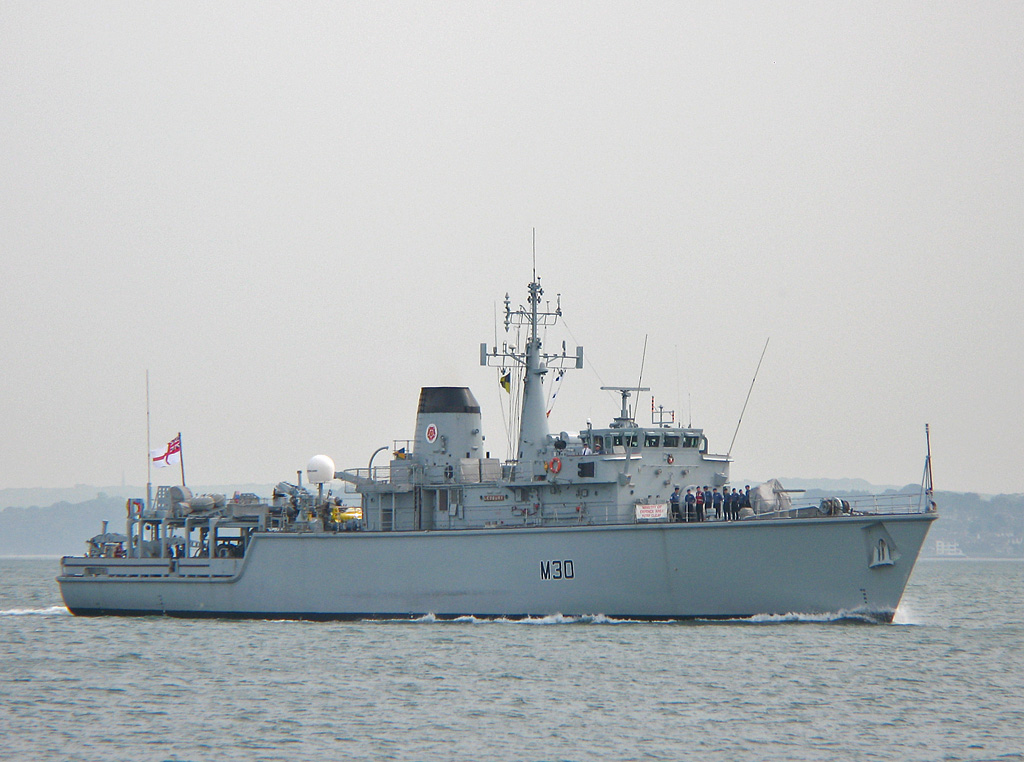
Napier Deltic engines were produced in several variants and were chosen where compactness and high specific power were priorities. Notable applications included fast naval craft such as patrol or torpedo boats and railway locomotives. The most famous rail application was the class of British diesel locomotives commonly referred to by the same nickname, which used Napier Deltic power units. Marine and rail installations illustrate how the engine’s compact triangular form made it suitable where space and weight margins were limited. For general reference on its use as a diesel engine and in boats, see relevant technical summaries; its rail use is documented in histories of railway locomotives.
History, advantages and limitations
Developed to meet demanding military and transport needs, the Deltic offered several advantages: high power density, a compact package for a given power output, and reduced cylinder head heat losses because of the opposed‑piston design. However, these benefits came with tradeoffs. The engine’s internal gearing and the requirement to synchronize multiple crankshafts made it mechanically intricate and required specialized maintenance. Over time, advances in conventional diesel technology and changing operational priorities reduced its prevalence.
Today the Deltic remains notable as an innovative solution to mid‑20th century engineering challenges. Enthusiasts and engineers study it for its unusual layout and the way it balanced photographic space constraints, power requirements, and the engineering limits of its era. For technical or historical overviews consult dedicated technical pages and historical summaries of D. Napier & Son and their designs via further reading.
Related articles
Author
AlegsaOnline.com Napier Deltic diesel engine Leandro Alegsa
URL: https://en.alegsaonline.com/art/68329
Sources
- absolutelyeverythingabout.com : "Napier Deltic"