
Musical notation: systems, history, and practical uses
An overview of musical notation: how different systems record pitch, rhythm and expression, their historical development, common elements, and why notation matters in music practice and scholarship.
Overview
Musical notation is a set of symbols and rules used to record musical sound on a page or screen so that musicians can reproduce or study it. Notation encodes elements such as pitch, rhythmic duration, tempo, articulation and dynamics. While the five-line stave with notes is the most familiar form in Western classical and popular music, many other notation systems exist worldwide and serve different musical traditions and practical needs. Notation converts an auditory art into a visual language, enabling music to be transmitted across time, place and performers.
Image gallery
10 Images





Core elements and common conventions
Although specifics vary with system and style, most notational schemes represent a few basic musical features. In Western staff notation these include:
- Pitch — the relative highness or lowness of notes, usually shown by vertical position on a stave or by pitch names.
- Rhythm and duration — how long notes and rests last, indicated by note shapes, flags or beams.
- Tempo and metre — the speed and grouping of beats, often shown with time signatures and tempo markings.
- Expression and articulation — dynamics, accents, phrasing and other instructions that shape performance.
Different systems emphasize some aspects more than others; for example, tablature shows finger positions for string instruments, while certain oral-tradition notations focus on melodic contours rather than precise rhythm.
Brief history and development
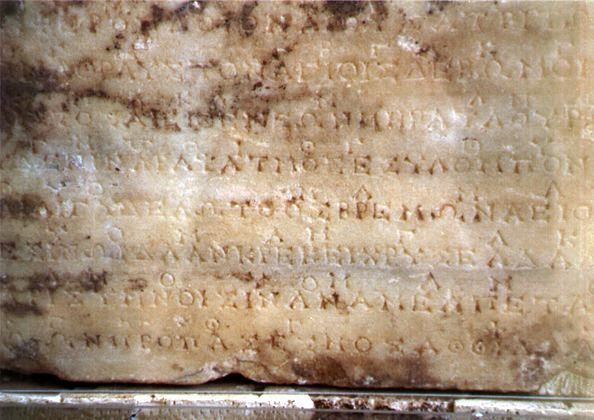
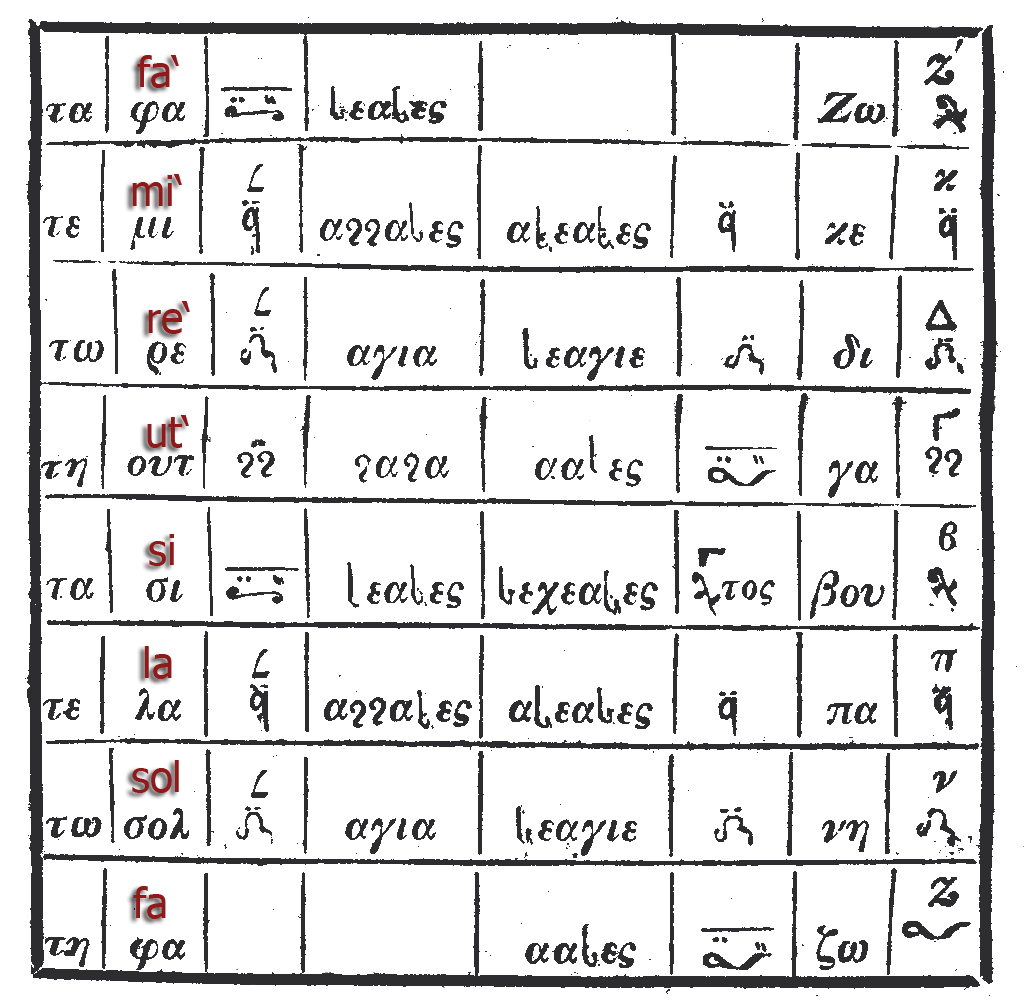
Notation developed gradually as musicians and scribes sought ways to fix music beyond memory. Early medieval neumes provided reminders of melodic shape but did not specify exact pitch or rhythm. Over centuries, the system of staff lines, clefs and note values evolved in Europe into the modern staff notation used for записи of polyphonic music. Parallel developments elsewhere led to distinct practices adapted to local musical languages.
Varieties and cultural practices
Global musical cultures use different notation strategies. Western staff notation remains widespread for classical, jazz and many popular genres. Other approaches include:
- Tablature (for lute, guitar, and other fretted instruments), which indicates string and finger placement rather than abstract pitch.
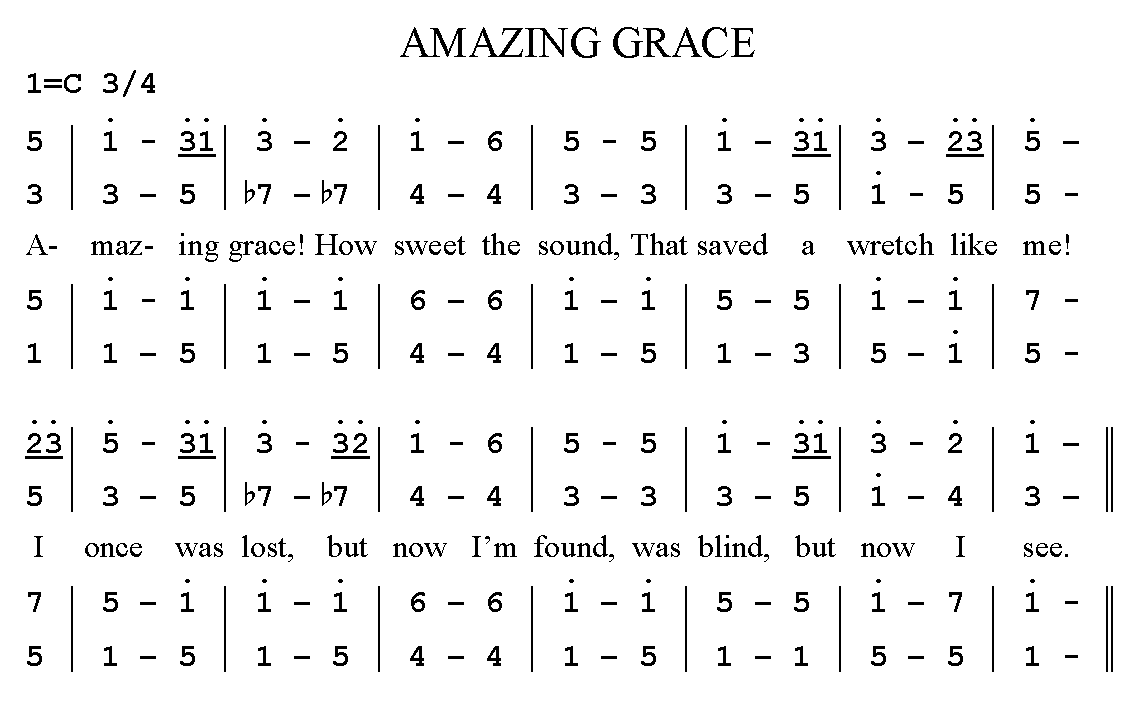
- Cipher or number notations that assign digits to scale degrees, useful in some Asian and pedagogical contexts.
- Graphic and proportional notations used in 20th-century experimental music to capture unconventional sounds or indeterminate elements.
For more on standard staff notation, see overview of staff notation, and for comparative perspectives across cultures consult resources on non-Western systems at world music notation.
Uses, advantages and limitations
Notation serves composers, performers, teachers and researchers. It allows composers to communicate detailed instructions to performers, enables ensembles to synchronize complex parts, helps theorists analyze musical structure, and preserves repertory that might otherwise be lost. Notation also aids learning: students use scores to practice and study interpretation.
However, notation has limits. Some musical subtleties—microtonal inflections, flexible timing, timbre variations and culturally specific performance conventions—are difficult to capture precisely. In many oral traditions, transmission through listening and imitation remains paramount; see discussions of oral transmission in folk contexts at folk music practices. Composers and performers often combine written notation with verbal instructions, recordings and demonstration to convey intended effects. For composer biographies and practical guides to creating scores, consult introductory material at composer resources.
Notable distinctions and modern trends
Contemporary practice blends long-established notation with new technologies. Music notation software, digital engraving, and interactive scores make editing and distribution easier and can support alternative representations such as MIDI, which translate notation into sound. Experimental composers continue to expand notation to represent unconventional sounds and performance choices. Understanding notation therefore involves both learning conventional symbols and appreciating how systems adapt to changing musical needs.
Questions and answers
Q: What is music notation?
A: Music notation is a way of writing down music so that anyone can play it.
Q: How many lines are there in the stave used by most musicians in the Western world?
A: Most musicians in the Western world write musical notes on a stave with five parallel lines and four spaces in between them.
Q: What is the purpose of writing music down?
A: Writing music down makes it possible for a composer who makes up (composes) a piece of music to let other people know how the music is supposed to sound, so that it can then be played or sung by anybody who can “read music”.
Q: How was folk music traditionally learned?
A: Folk music was traditionally learned by listening to it and trying to copy it.
Q: Are there any other systems used today for writing down music besides the stave system used by most musicians in the Western world?
A: Yes, there are many others, some of which are still in use today in different cultures.
Q: Is reading musical notation necessary for playing or singing a piece of written-down music?
A: Yes, reading musical notation is necessary for playing or singing a piece of written-down music.
Related articles
Author
AlegsaOnline.com Musical notation: systems, history, and practical uses Leandro Alegsa
URL: https://en.alegsaonline.com/art/67771