
Music industry: participants, structure, business models and trends
Comprehensive overview of the music industry: its participants, core activities, revenue streams, historical development, key roles, and current trends such as streaming and direct-to-fan models.
Overview
The music industry is the network of creators, companies and services involved in producing, distributing and monetizing music. Its aim is to turn musical works and performances into cultural products and income for rights holders, performers and intermediaries. It spans live events, recorded sound, publishing, broadcasting and a growing set of digital services.
Image gallery
10 Images



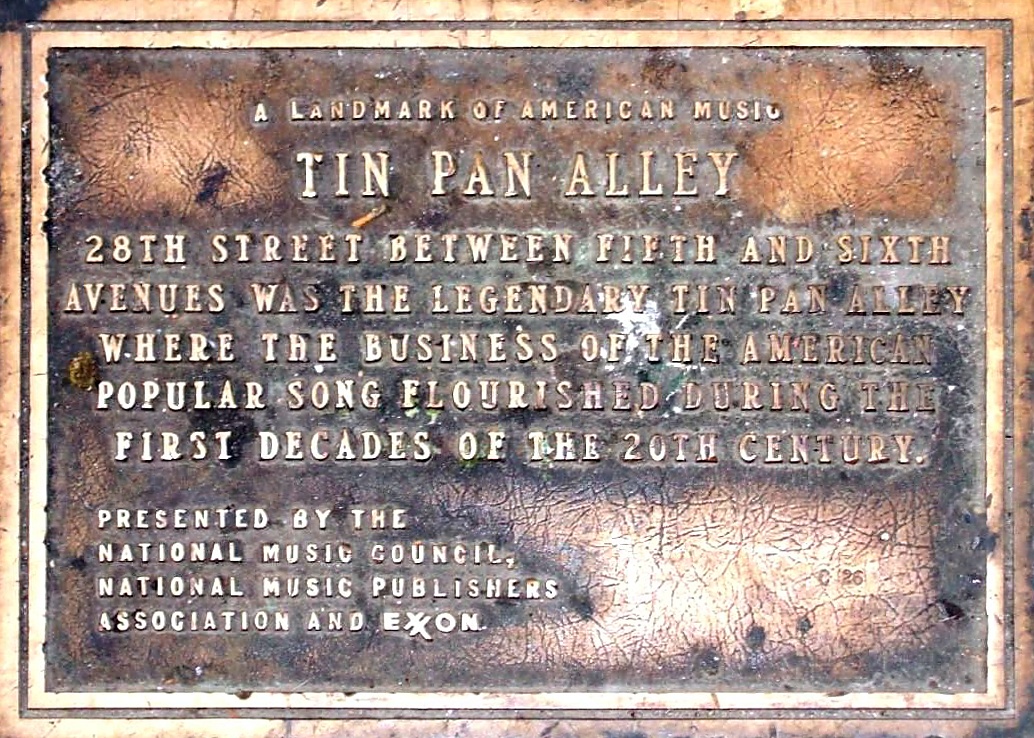


Structure and participants
The industry includes a variety of actors with distinct functions:
- Musicians and composers who write and perform music.
- Record labels and distributors that finance, produce and circulate recorded music (recorded music).
- Publishers and rights organizations that manage composition and licensing rights.
- Promoters, booking agents and venues that organize live performances.
- Media outlets and platforms — radio, streaming services and broadcasters — that present and monetize music.
- Professional support: managers, producers, lawyers and publicists who guide careers (support industry).
Business models and revenue streams
Traditional income sources include sales of recordings, mechanical and performance royalties, licensing for film/TV/advertising (synchronization), live ticketing and merchandising. Since the 2000s, streaming and digital downloads have become dominant distribution channels. Revenue is often shared among artists, labels, publishers and collecting societies according to contracts and copyright law.
The balance between recorded and live income varies by artist and market: many performers earn more from touring and brand partnerships than from recorded music royalties, while publishing can provide ongoing income from catalog exploitation.
History and recent development
The modern industry grew with audio recording and mass media in the late 19th and 20th centuries, expanded during the era of major labels and radio, and underwent major upheaval with digital technologies. File sharing, the rise of streaming platforms and social media changed distribution, marketing and how artists reach audiences, prompting new contracts and business practices.
Roles, distinctions and current trends
Key professional roles include A&R (talent scouting), producers, engineers, managers and promoters. Important distinctions are between major multinational labels and independent (indie) companies, and between recording rights and publishing rights. Contemporary trends include direct-to-fan sales, data-driven promotion, catalog acquisitions, and evolving debates over fair compensation, copyright enforcement and platform regulation.
The music industry remains culturally significant and economically diverse, continually adapting to new technologies and audience behaviors while balancing artistic, commercial and legal interests.
Related articles
Author
AlegsaOnline.com Music industry: participants, structure, business models and trends Leandro Alegsa
URL: https://en.alegsaonline.com/art/67746