
Murad Wilfried Hofmann (1931–2020) — German diplomat and author on Islam
German diplomat Murad Wilfried Hofmann was a convert to Islam, author of several books on Islamic thought, and a proponent of interfaith dialogue; he served as ambassador to Algeria and Morocco.
Murad Wilfried Hofmann was a German diplomat, writer and public intellectual best known for his books on Islam and for promoting dialogue between Muslims and Christians. Born in Aschaffenburg, Germany, he combined a long career in the West German foreign service with a personal commitment to Islamic faith and thought. His work sought to bridge cultural and religious gaps by explaining Islamic perspectives to Western readers and engaging in interreligious conversation.
Image gallery
2 Images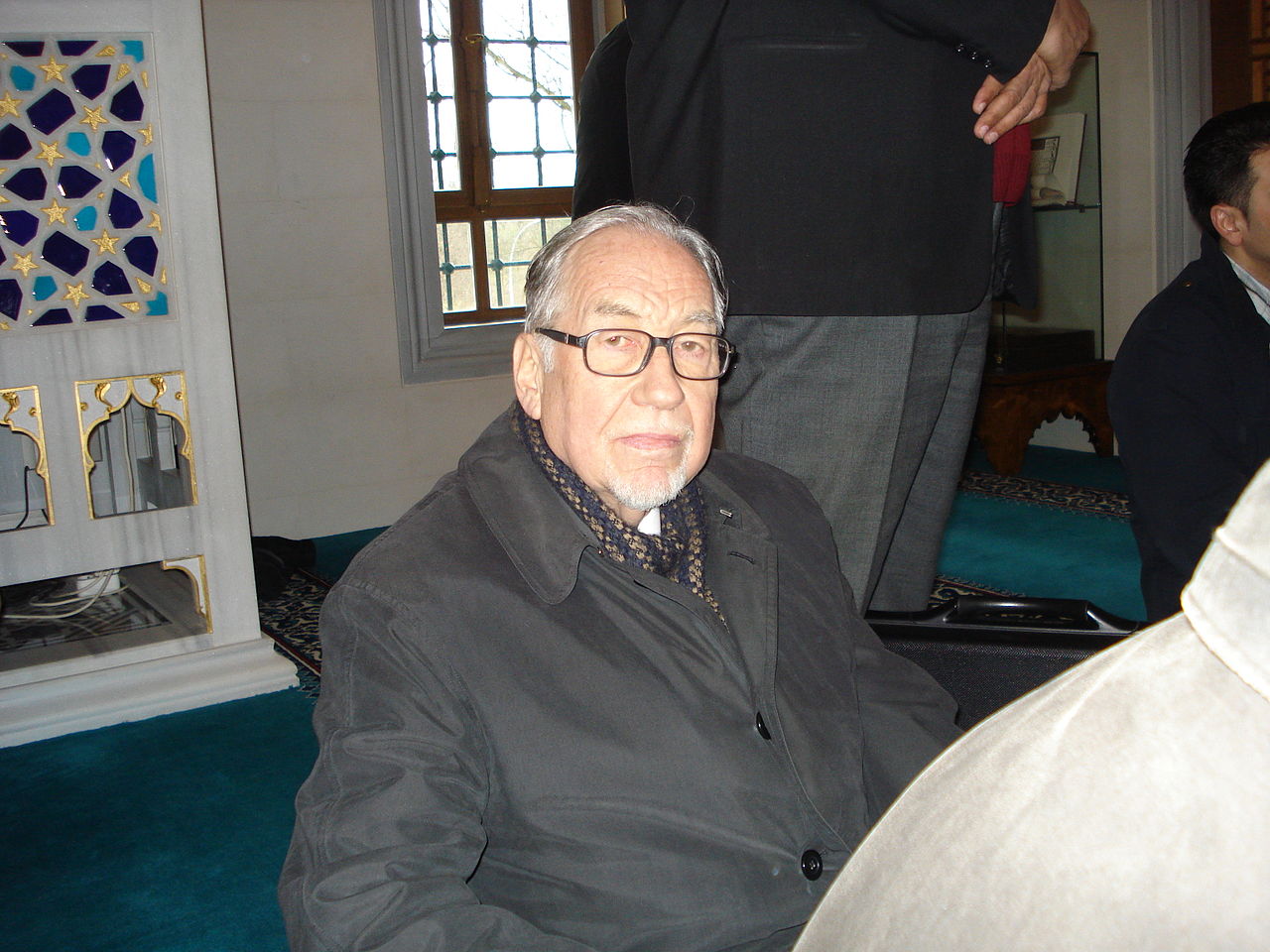

Life and diplomatic career
Hofmann spent much of his professional life in the German diplomatic corps. He served as the Federal Republic of Germany's ambassador to Algeria from 1987 to 1990 and to Morocco from 1990 to 1994. His experience in North Africa informed both his understanding of Muslim societies and the practical challenges of international relations. He was born in Aschaffenburg and later died in Bonn, Germany, in January 2020 at the age of 88.
Conversion, intellectual stance and interests
A convert to Islam, Hofmann wrote from the perspective of someone attempting to interpret and present Islamic teachings to Western audiences. He emphasized themes such as spiritual renewal, moral critique of materialism, and the compatibility of Islamic values with ethical dimensions of modern life. He also advocated respectful engagement between religious communities and participated in initiatives aimed at reducing misunderstanding between Muslims and non-Muslims.
Writings and major works
Hofmann authored several books intended for readers interested in Islam and interfaith matters. His travelogue and reflections on pilgrimage, Journey to Makkah, and the book Islam: The Alternative are often cited as accessible introductions to his ideas. He was also one of the signatories of the interfaith appeal A Common Word Between Us and You, which called for mutual understanding between Christians and Muslims. For a sample of his publications and commentary on Islam, see selected writings.
- Journey to Makkah — a personal account blending travel narrative and spiritual reflection.
- Islam: The Alternative — a presentation of Islamic perspectives on modern questions.
His practical experience is reflected in his diplomatic posts in North Africa, including his ambassadorship to Algeria and later to Morocco, where he encountered diverse Muslim communities and institutional contexts.
Hofmann's legacy lies in his effort to make Islamic ideas intelligible to Western readers without resorting to polemics. He remains a reference point for discussions about conversion, cross-cultural communication, and the role of religion in public life. He is remembered both for his official service as a diplomat and for his contributions to contemporary Muslim-Christian dialogue.
Related articles
Author
AlegsaOnline.com Murad Wilfried Hofmann (1931–2020) — German diplomat and author on Islam Leandro Alegsa
URL: https://en.alegsaonline.com/art/67594
Sources
- deutschlandfunk.de : Murad Wilfried Hoffmann gestorben