
Ata Kandó: Hungarian–Dutch photographer and humanitarian
Ata Kandó (1913–2017) was a Hungarian-born photographer whose work spanned children's portraiture, fashion, documentary images of refugees and indigenous peoples; she and her husband were honored as Righteous Among the Nations.
Ata Kandó, born Etelka Görög on 17 September 1913, was a photographer whose work combined artistic sensitivity with strong humanitarian concerns. Born in Budapest to a Jewish family, she began photographing in the 1930s and developed a career that ranged from intimate portraits of children to fashion photography and documentary projects. Her life bridged several countries and cultures; she spent productive periods in Paris before and after World War II and eventually made the Netherlands her long-term home.
Image gallery
1 Image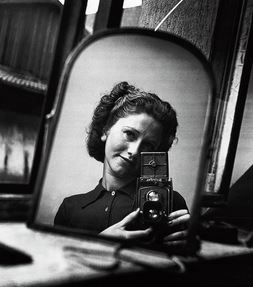
Life and career
Kandó started photographing children and family scenes in the 1930s, building a reputation for sensitive, informal portraits. She twice worked in Paris during that decade, where fashion and commercial photography influenced her technique and composition. During the war years she lived in Hungary; after the conflict she returned to Paris to continue her practice. In 1954 she relocated to the Netherlands, where she pursued commissions, personal projects and occasional travel assignments.
Her work was diverse in subject and approach. Kandó produced fashion spreads and editorial photography, while also taking documentary images of refugees and displaced people in the mid-20th century. In the 1950s and 1960s she undertook extended travel, including a journey to the Amazon basin where she photographed landscapes and indigenous communities. Across genres her images conveyed an attentive humanism: close observation, respect for subjects and an interest in everyday dignity rather than sensationalism.
Style, subjects and themes
Kandó's photographs are often noted for their warmth, narrative clarity and subtle composition. She balanced the requirements of commercial fashion work with personal projects that emphasized social realities—refugee camps, migration and the lives of children. Her documentary pieces reflect mid-century concerns about displacement and cultural encounter, while her travel photography captured remote landscapes and traditional ways of life with a careful, non-exploitative eye.
Awards and recognition
Over a long career Kandó received several honors that recognized both her artistic achievement and moral courage. Notable awards include:
- Silver medal for fashion photography in Munich (1959).
- Pro Cultura Hungarica Medal (1991).
- Imre Nagy Prize (1998).
- Righteous Among the Nations (1998), awarded by Israel to Kandó and her husband for helping Jews during the Holocaust; see the official recognition here.
- Lifetime Achievement Award from the Hungarian Photographers Association (1999).
These distinctions reflect both her artistic contribution and a life engaged with ethical action during a turbulent century. The Righteous Among the Nations honor in particular acknowledges a documented role in rescuing or sheltering people persecuted during World War II.
Ata Kandó lived to be a centenarian. She died on 14 September 2017 in Bergen, the Netherlands, leaving a body of work that is studied by historians of photography and remembered for its mixture of elegance, intimacy and conscience. Her legacy is often discussed in relation to mid-20th-century European photography, the ethics of documentary practice, and the ways artists respond to displacement and cultural contact.
Related articles
Author
AlegsaOnline.com Ata Kandó: Hungarian–Dutch photographer and humanitarian Leandro Alegsa
URL: https://en.alegsaonline.com/art/6877
Sources
- terasz.hu : www.terasz.hu
- 24.hu : Meghalt a legidősebb magyar fotóművész