
Mudra: Hand and Body Gestures in Indian Religions and Yoga
Mudras are symbolic hand and body gestures in Hinduism, Buddhism and yogic practice used in ritual, iconography, dance and meditation to convey meaning, support concentration, and identify deities or actions.
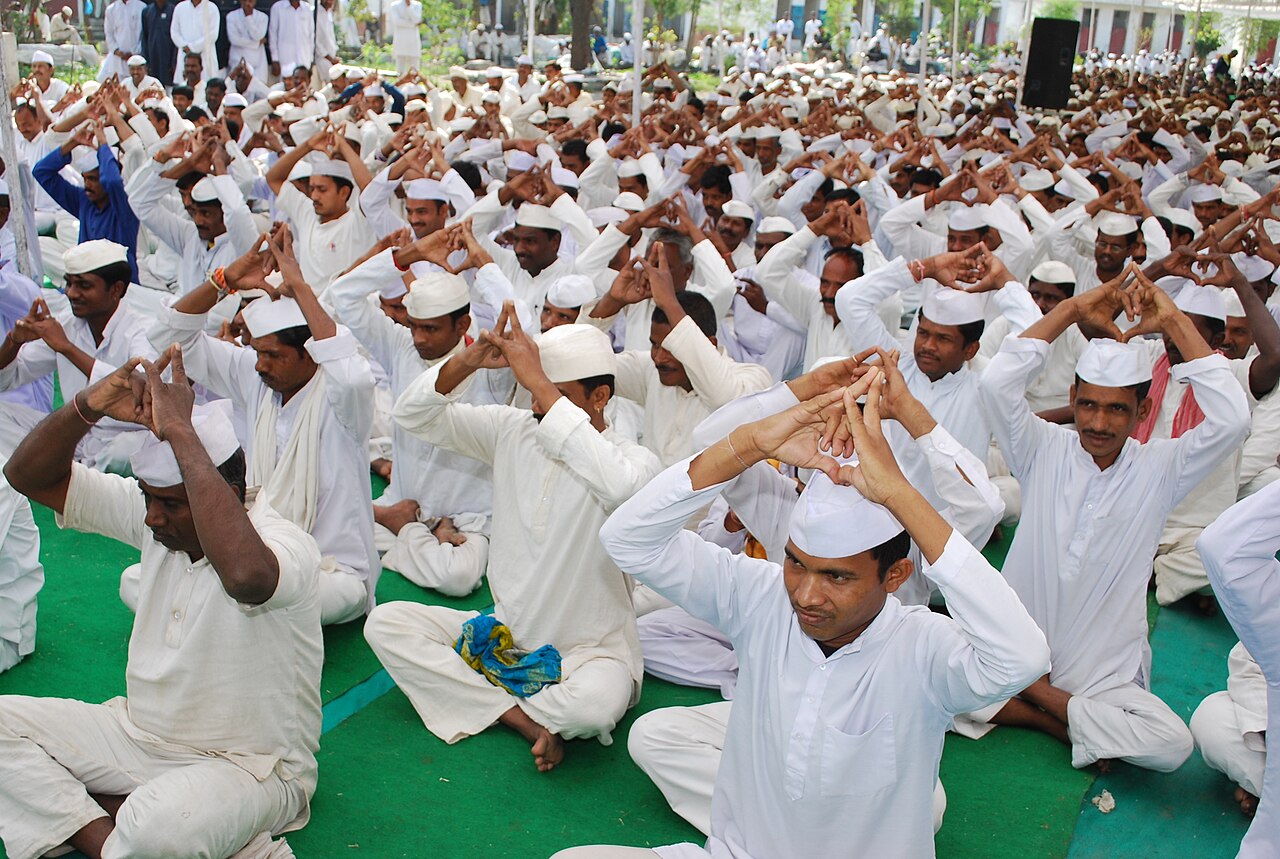
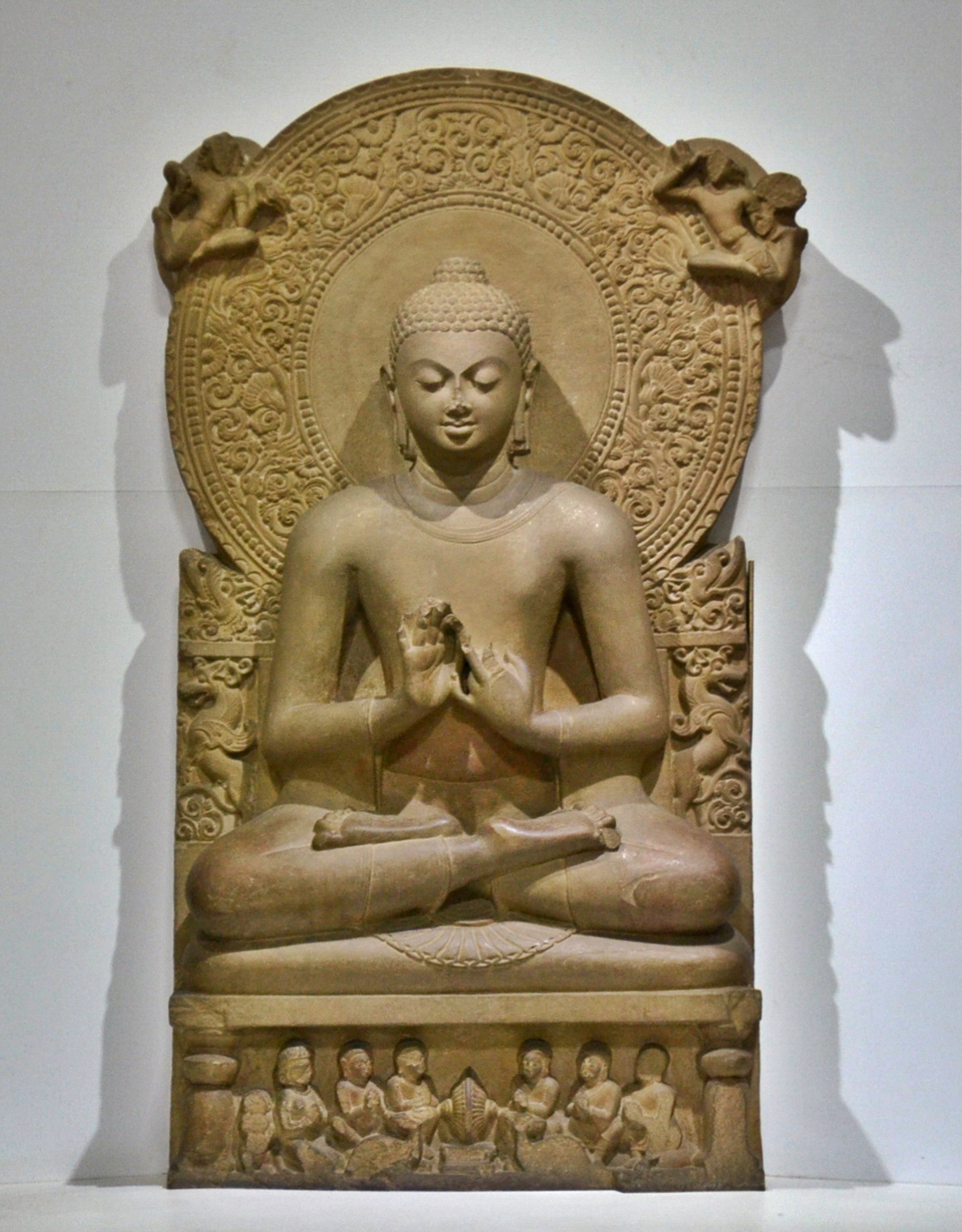
Mudra (from the Sanskrit term often given as mudrā, literally "seal") denotes a stylized gesture made primarily with the hands and fingers, though some traditions use whole-body positions. In religious and artistic contexts these gestures function as a visual language: they identify deities, express spiritual qualities, mark ritual actions and support meditative attention. Mudras are taught alongside asanas and breath practices in contemporary yoga, and they appear throughout classical religious art.
Image gallery
10 Images





Forms and categories
Hand mudras are often called hasta gestures, and may range from simple open-palmed poses to complex finger interlacings. Other forms include gestures involving arm placement, head and facial expression, or full-body postures used in performance. Each mudra traditionally carries an associated meaning or intention — for example protection, teaching, blessing, or inner concentration — and conventions developed so that worshippers and audiences could read a figure or scene at a glance.
Historical and textual context
Classical Indian sources and practical manuals describe gestures in the contexts of ritual, temple worship and performing arts. Treatises such as the Natya Shastra influenced how gestures were codified for theatre and dance, while various iconographic and liturgical texts guided temple sculpture and ritual use. Mudras are integral to the visual and ritual languages of Hinduism and Buddhism, and descriptions of gesture also appear in commentarial and yogic literature. The Sanskrit vocabulary for gestures and their names links practical use to broader symbolic systems (Sanskrit, ritual manuals).
Role in iconography and meditation
In sculpture and painting, a deity’s hand position often serves as an identifying attribute and conveys an aspect of the divine. In meditative and ritual practice, mudras may be combined with mantra and breath control to aid concentration. While some modern teachers and therapeutic traditions attribute physiological effects to particular hand positions, such claims should be considered complementary to established medical care and evaluated through reliable research.
Common examples
- Abhaya – open palm facing outward: reassurance and protection, "no fear".
- Varada – palm open and downward or extended: granting boons or charity.
- Dhyana – hands placed in the lap: meditation and inner absorption.
- Vitarka – thumb and forefinger joined, other fingers extended: teaching or discussion.
- Bhumisparsha – earth-touching gesture: a witness or triumph motif in Buddhist art.
- Anjali – palms pressed together: greeting, reverence or prayer.
Performance and contemporary practice
Indian classical dances such as Bharatanatyam and Kathakali incorporate a sophisticated vocabulary of hand and body gestures derived from the same traditional sources that inform temple iconography. In contemporary spiritual and wellness settings, instructors may use mudras to help cultivate attention, emotional tone or symbolic intention. For introductions to gesture in religious art and performance, see overviews of iconography and studies of ritual gesture (gestures). Further practical guidance is available in general writings on yoga and performing traditions (Hinduism, Buddhism).
Related articles
Author
AlegsaOnline.com Mudra: Hand and Body Gestures in Indian Religions and Yoga Leandro Alegsa
URL: https://en.alegsaonline.com/art/67344