
Musalla — Open Prayer Space in Islamic Practice
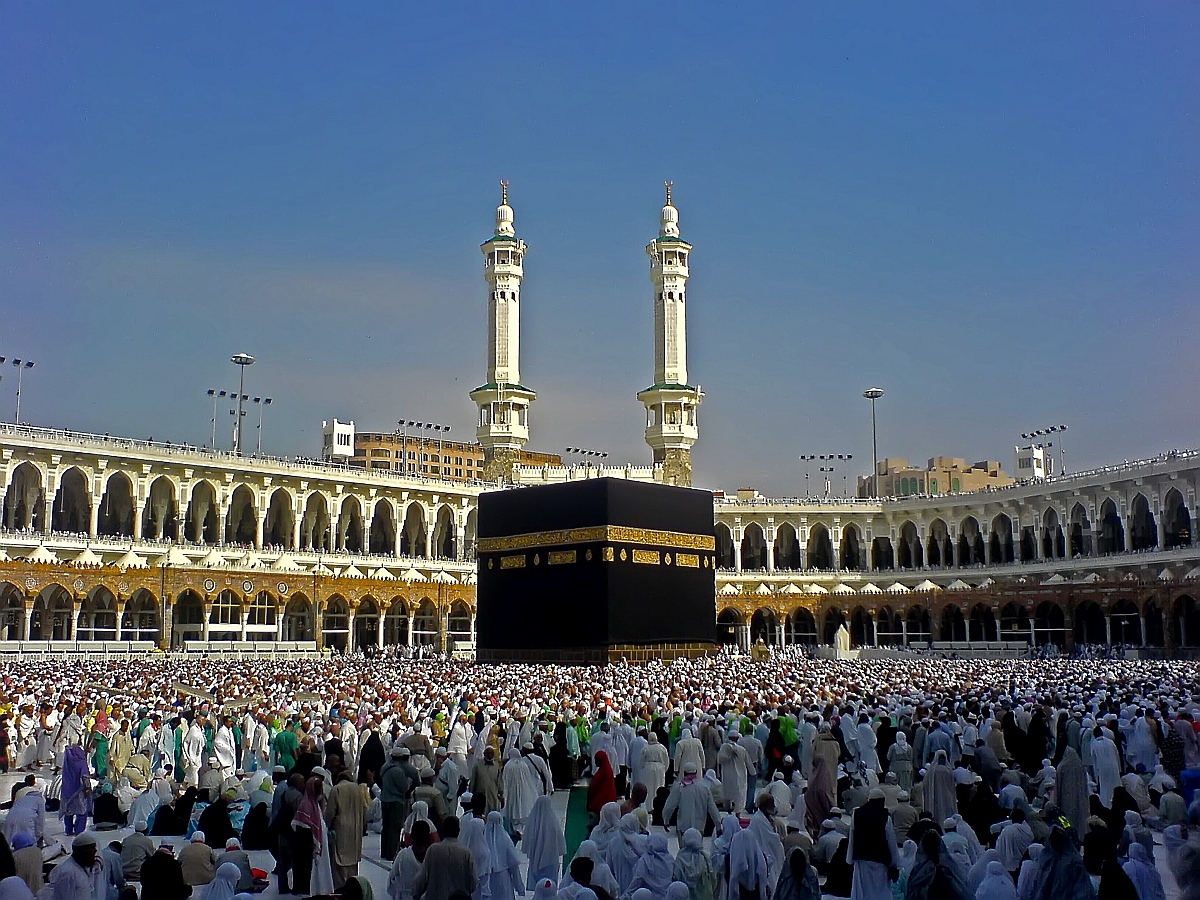
Musalla (al‑musallā) is an open or semi‑open area used for Muslim prayer outside a mosque, commonly used for large congregations, Eid prayers, funerals and overflow worship.
Overview
The term al‑Musallā (Arabic: المصلى) refers to a cleared outdoor or semi‑enclosed space traditionally reserved for Muslim prayer. The word comes from the Arabic verb صلى (sallā), meaning to pray. Unlike a mosque, a musalla is not necessarily a permanent building with walls and a roof; it is an area set aside for collective worship, particularly when indoor space is limited.
Image gallery
5 Images


Characteristics
Musallas vary in form: they may be simple courtyards adjacent to a mosque, paved squares, elevated terraces, or temporary clearings marked with rugs and mats. They are oriented toward the qibla (direction of Mecca) like any prayer space, and often include simple markers for rows and a place for an imam to lead the prayer.
History and development
Historically, communities used outdoor prayer grounds for large gatherings, seasonal festivals, or when mosques were under construction. In many Muslim regions the practice predates large congregational mosques and evolved alongside them. Over time the musalla developed practical conventions — alignment with the qibla, modular spaces for orderly rows, and adaptability for large crowds.
Uses and examples
Communal uses of a musalla commonly include:
- Eid al‑Fitr and Eid al‑Adha congregational prayers, which attract many worshippers.
- Overflow space when a mosque cannot accommodate the entire congregation.
- Funeral rites (salat al‑janazah) and other community ceremonies.
- Temporary prayer arrangements at markets, camps, or during travel.
Distinctions and notable facts
While a musalla is dedicated to prayer, it is typically distinguished from a mosque by its simpler construction and sometimes temporary nature. Local customs shape how musallas are organized and maintained, and in some cities they have become formalized public squares near major mosques or civic centers. For more on the Arabic term and its usage see related entries.
Related articles
Author
AlegsaOnline.com Musalla — Open Prayer Space in Islamic Practice Leandro Alegsa
URL: https://en.alegsaonline.com/art/67693