
Motte-and-bailey (castle type)
A motte-and-bailey is a medieval fortification with an earthen mound (motte) and an enclosed courtyard (bailey). Common in 11th–12th century Europe, it was quick to build and later evolved into stone castles.
Overview
A motte-and-bailey is a form of medieval castle or fortification characterized by two linked components: a raised earthwork called a motte and an enclosed courtyard known as a bailey. These structures became widespread across northern and western Europe in the 11th and 12th centuries, providing a flexible and rapid way for military forces and ruling elites to establish local control.
Image gallery
10 Images





Design and main parts
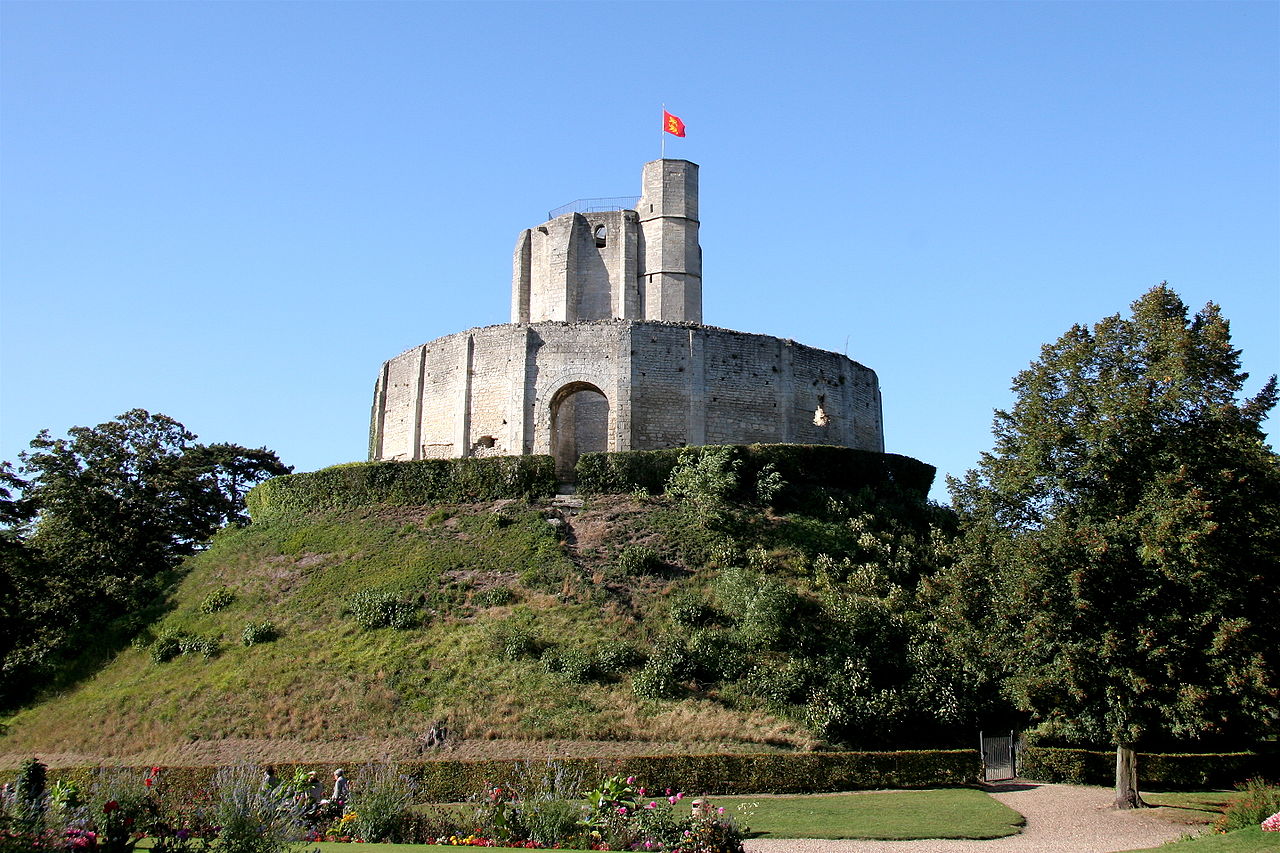
The two principal elements are distinct in function and form. The motte is a steep-sided mound, sometimes built by piling up earth but occasionally using a natural rise. On its summit stood a timber or later a stone tower (keep) that served as a final stronghold and observation point. Adjoining this was the bailey: a protected courtyard where housing, workshops and stables were located, enclosed by a defensive fence and often a surrounding ditch.
Construction and materials
Motte-and-bailey castles could be erected more quickly than large stone keeps because they relied primarily on earth and timber. Builders shaped the motte and dug ditches with the excavated soil making ramparts. Wooden palisades and timber towers were standard at first because of speed and material availability. Over time many sites were rebuilt in stone to improve fire resistance and durability; palisades were replaced by masonry walls and timber keeps by stone keeps.
History and spread
The type became particularly associated with the Norman expansion after the Norman Conquest of England in 1066 and was already common by the death of William the Conqueror in 1087. Motte-and-bailey forms existed elsewhere on the continent before and after this period and remained in use through the 11th and 11th century into the 12th century as military and administrative centers that could be rapidly established in newly conquered or unsettled territories.
Function, advantages and limitations
- Advantages: quick construction, effective elevation for observation and defense, served as a local strongpoint to project authority and protect settlers.
- Limitations: timber elements were vulnerable to fire and rot, required regular maintenance, and offered less long-term protection than stone.
- Evolution: many early motte-and-bailey sites were later replaced or supplemented by larger stone castles as resources and strategic needs changed.
Legacy and archaeology
Although most timber structures have not survived, the earthworks of mottes and the outlines of baileys remain common features in the landscape and are often visible as pronounced mounds and ditches. Archaeological investigation can reveal timber post-holes, foundations, and domestic remains within baileys, helping scholars understand construction techniques and daily life. Today, surviving motte-and-bailey sites are important for studying medieval military architecture and the social changes that accompanied territorial expansion.
Related articles
Author
AlegsaOnline.com Motte-and-bailey (castle type) Leandro Alegsa
URL: https://en.alegsaonline.com/art/66936