
11th century
Overview of the 11th century (1001–1100): major political events, cultural and technological developments, social change, and the century’s lasting influence.
Overview
The 11th century spans the years 1001 to 1100. It was a period of shifting powers, expanding long-distance contacts, and notable cultural exchange across Europe, the Middle East, and East Asia. Across different regions the century saw both consolidation of states and frequent conflict, against a backdrop of evolving economic and intellectual life.
Image gallery
10 Images




Major political events
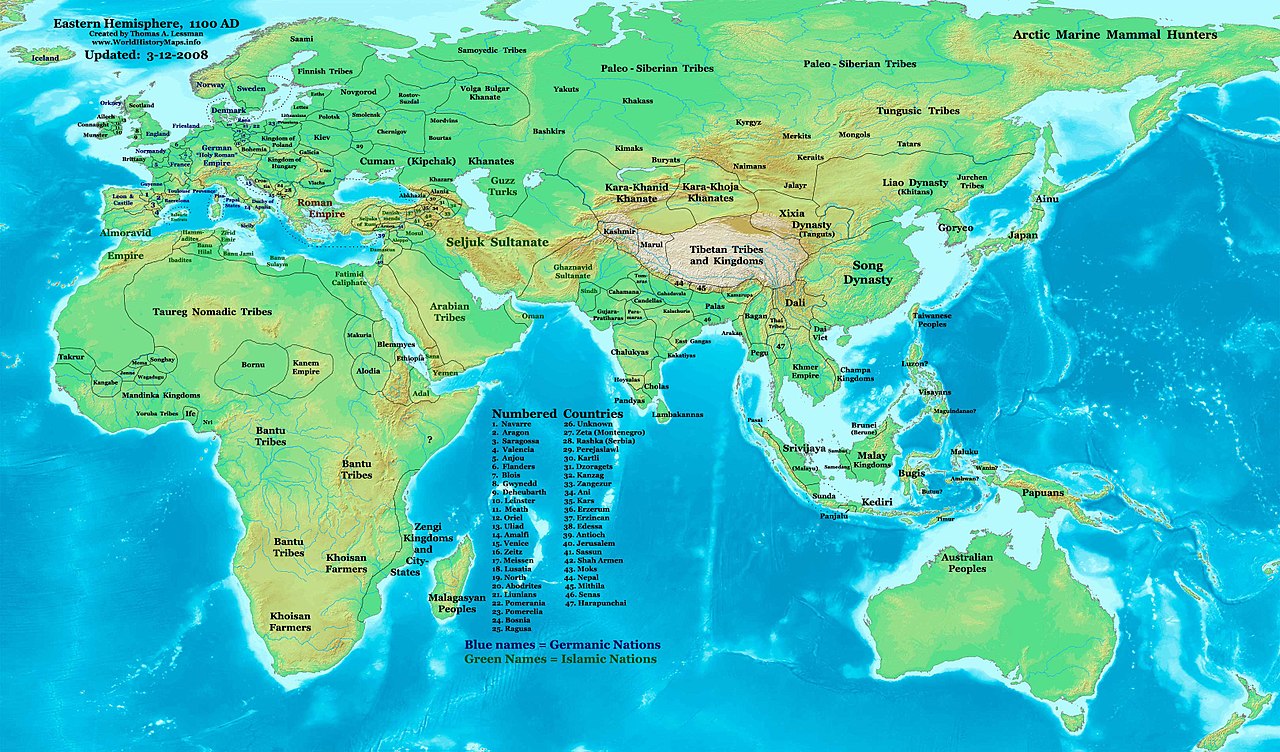
Several events reshaped regional balances of power. In Western Europe the Norman conquests—most famously the 1066 invasion of England—created new ruling dynasties. In the eastern Mediterranean the Seljuk Turks defeated Byzantine forces at Manzikert (1071), and Byzantine appeals for help contributed to the launching of the First Crusade (1096–1099). In Western Christendom the Investiture Controversy highlighted tensions between popes and secular rulers over church appointments.
Society, economy and urban life
The century experienced agricultural improvements—wider use of the heavy plough and more systematic crop rotations—that supported population growth and the revival of towns. Marketplaces and port cities expanded, linking inland regions to Mediterranean and Indian Ocean trade. Monastic reform movements, such as Cluny, influenced religious life and literacy, while cathedral schools nurtured learning that would later feed the rise of universities.
Cultural and technological developments
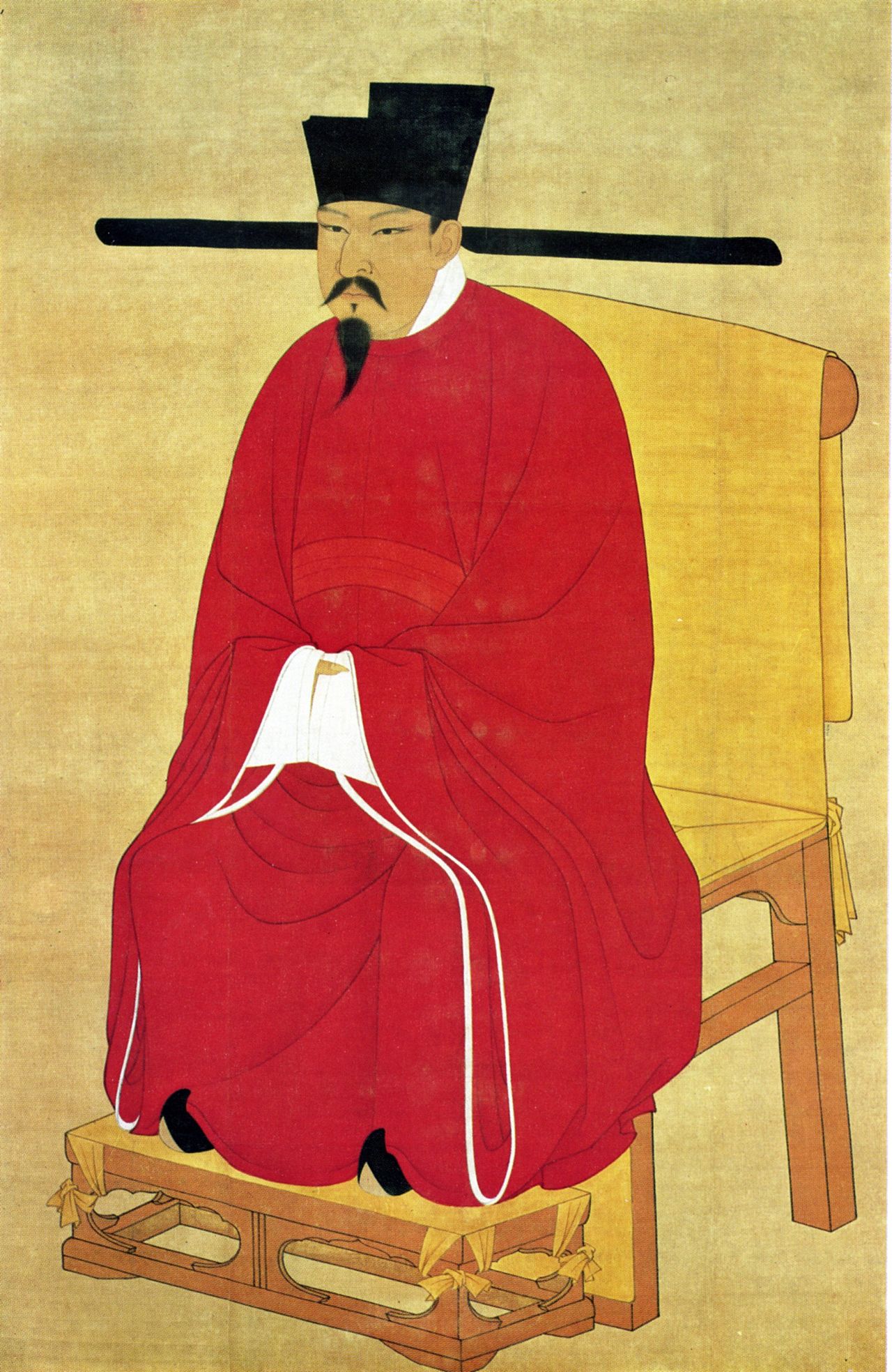
- In East Asia the Song dynasty fostered technological innovation: practical movable type is credited to the 11th century and polymaths like Shen Kuo recorded observations in science and geography.
- In the Islamic world scholars such as Ibn Sīn� (Avicenna) and Ibn al-Haytham made advances in medicine, philosophy and optics that circulated broadly.
- Architectural and artistic forms developed distinctive Romanesque styles in Europe, while monumental works continued across the Islamic world and Asia.
Legacy and notable distinctions
The 11th century set the stage for the high Middle Ages: increased interaction between Christianity and Islam, technological diffusion, stronger territorial states, and expanding urban life all shaped later medieval institutions. Its mix of conflict and creativity left durable cultural, political, and scientific legacies.
Related articles
Author
AlegsaOnline.com 11th century Leandro Alegsa
URL: https://en.alegsaonline.com/art/111115