
Motorola: Origins, innovations, and corporate evolution
Overview of Motorola, an American electronics company founded in 1928; its key products, corporate split in 2011, and subsequent acquisitions by Google and Lenovo.
Motorola was an American electronics company founded in 1928 that played a major role in radio, mobile telephony and communications equipment. Headquartered for many years in Schaumburg, Illinois, just outside Chicago, the firm became widely known for two-way radios, early mobile phones and other consumer and industrial electronics. Over time Motorola restructured and split into separate businesses focused on mobile devices and on communications solutions.
Image gallery
4 Images
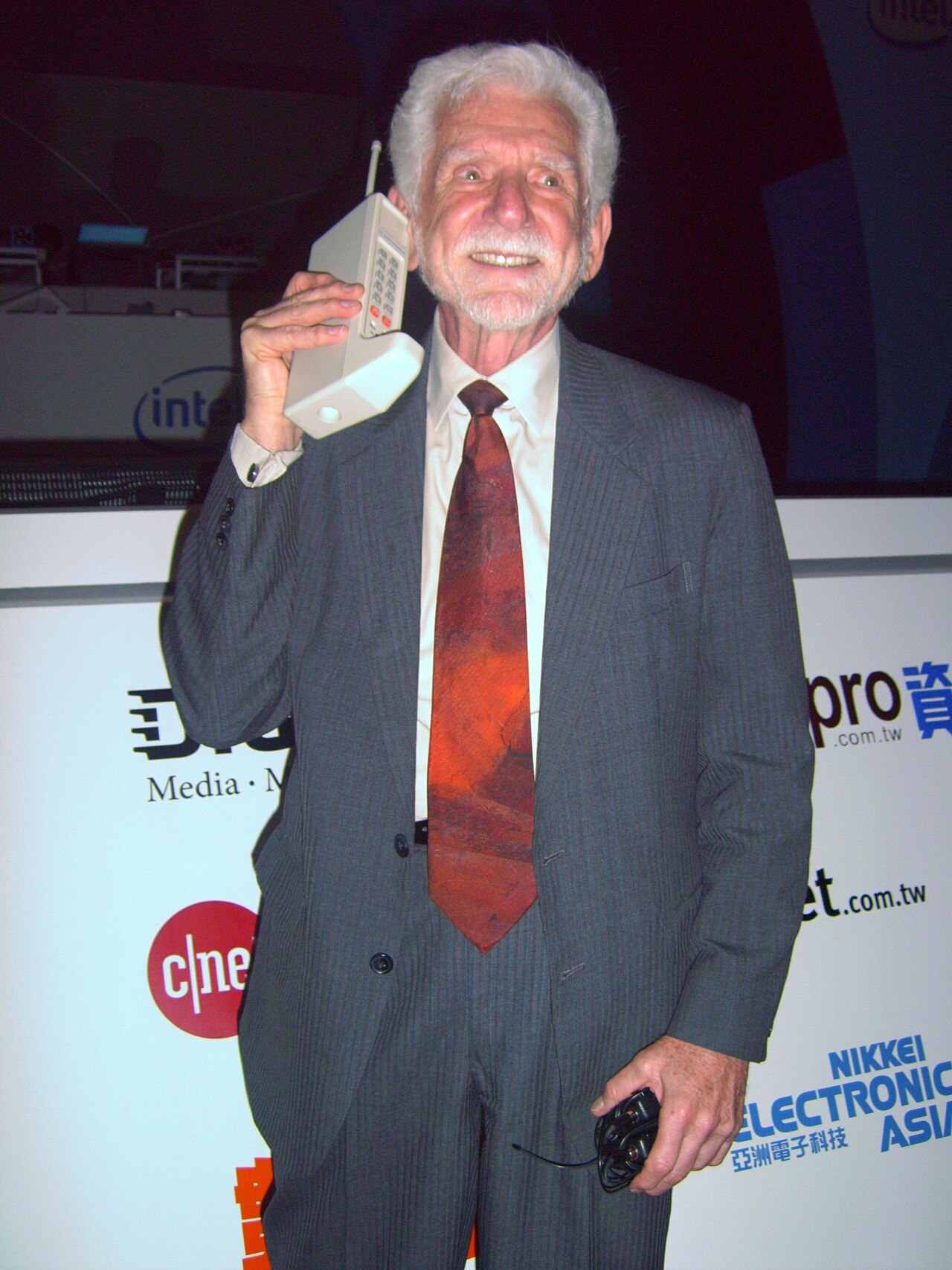


Roots and early history
The company began as Galvin Manufacturing Corporation in 1928 and adopted the Motorola name in the 1940s, a brand intended to evoke "motion" and sound. In its early decades the company supplied radios for vehicles and public safety, expanding into military and commercial communications during and after World War II. Motorola is commonly credited with pioneering portable two-way radio devices and compact radio transceivers that served as forerunners of modern mobile communications. For more on the brand and products see Motorola and historical summaries of its products electronics timeline.
Major innovations and product lines
Motorola introduced or advanced a number of widely used technologies in the 20th century. Notable categories include:
- Two-way radios and public-safety equipment used by police, fire and military services, with early portable designs emerging around World War II (WWII era developments) and later civilian adaptations.
- The walkie-talkie and battery-powered handheld transceivers, innovations often linked to wartime communications efforts (walkie-talkie history).
- Consumer paging and mobile telephone products that evolved into handheld cellular devices; Motorola produced one of the first commercially available handheld cellular phones and later iconic handsets such as the Razr.
- Semiconductor and embedded systems work that supported both consumer devices and industrial customers; the semiconductor division later became separate (see corporate restructuring).
Corporate changes, split and listings
Motorola operated as a single integrated company for most of its history and was listed on public markets under symbols such as MOT. Facing heavy financial losses in the late 2000s, the company reorganized and on January 4, 2011, split into two independent firms: Motorola Mobility, focused on consumer mobile devices, and Motorola Solutions, focused on enterprise and public-safety communications. The original headquarters site and regional ties were associated with Schaumburg and the greater Chicago area (Schaumburg, Chicago).
Acquisitions and more recent ownership
Shortly after the corporate split, Google announced an agreement to acquire Motorola Mobility in August 2011 for a reported $12.5 billion, a move intended to strengthen Android-related patent holdings and hardware capability (Google acquisition). In 2014 Lenovo finalized a purchase of Motorola Mobility from Google, integrating the handset business into the Chinese technology group (Lenovo purchase). These transactions left Motorola Solutions as an independent company focused on radio systems, networks and services.
Legacy and significance
Motorola's impact is visible across multiple areas: the maturation of mobile telephony, standards and handset design; durable two-way radio systems used in public safety; and contributions to semiconductor and embedded technologies. Though the corporate entities that carry the Motorola name today have different owners and focuses, the brand remains associated with early mobile innovation and with equipment relied on by emergency services and industry. For further corporate and product histories consult archived company records and technology retrospectives accessible from public and corporate sources (company history, product archives).
Related articles
Author
AlegsaOnline.com Motorola: Origins, innovations, and corporate evolution Leandro Alegsa
URL: https://en.alegsaonline.com/art/66930
Sources
- online.wsj.com : "Motorola Is Split Into Two"
- huffingtonpost.com : "Motorola To Officially Split Into Two Companies"
- google.com : "Motopia Ltd: ASX:MOT quotes & news - Google Finance"
- washingtonpost.com : "Google agrees to acquire Motorola Mobility"
- investor.google.com : "Google to Acquire Motorola Mobility"
- ft.com : "Google buys Motorola mobile phone division"
- lenovo.com : "Hello Moto"
- online.wsj.com : "Lenovo Completes Motorola Acquisition"
- wikidata.org : wikidata.org/wiki/Q259011
- isni.org : 0000 0001 2333 8563