
Lenovo: global PC maker — history, products, and influence
Overview of Lenovo, a Chinese technology company known for PCs, servers, tablets and smartphones; its origins, major products, acquisitions and market role.
Lenovo is a multinational Chinese technology company best known for designing, manufacturing and selling personal computers, servers, mobile devices and related services. Founded in Beijing in the 1980s, it grew from a domestic electronics firm into one of the world’s largest PC makers. Today the company operates globally, blending research and development, hardware design and enterprise services.
Image gallery
10 Images


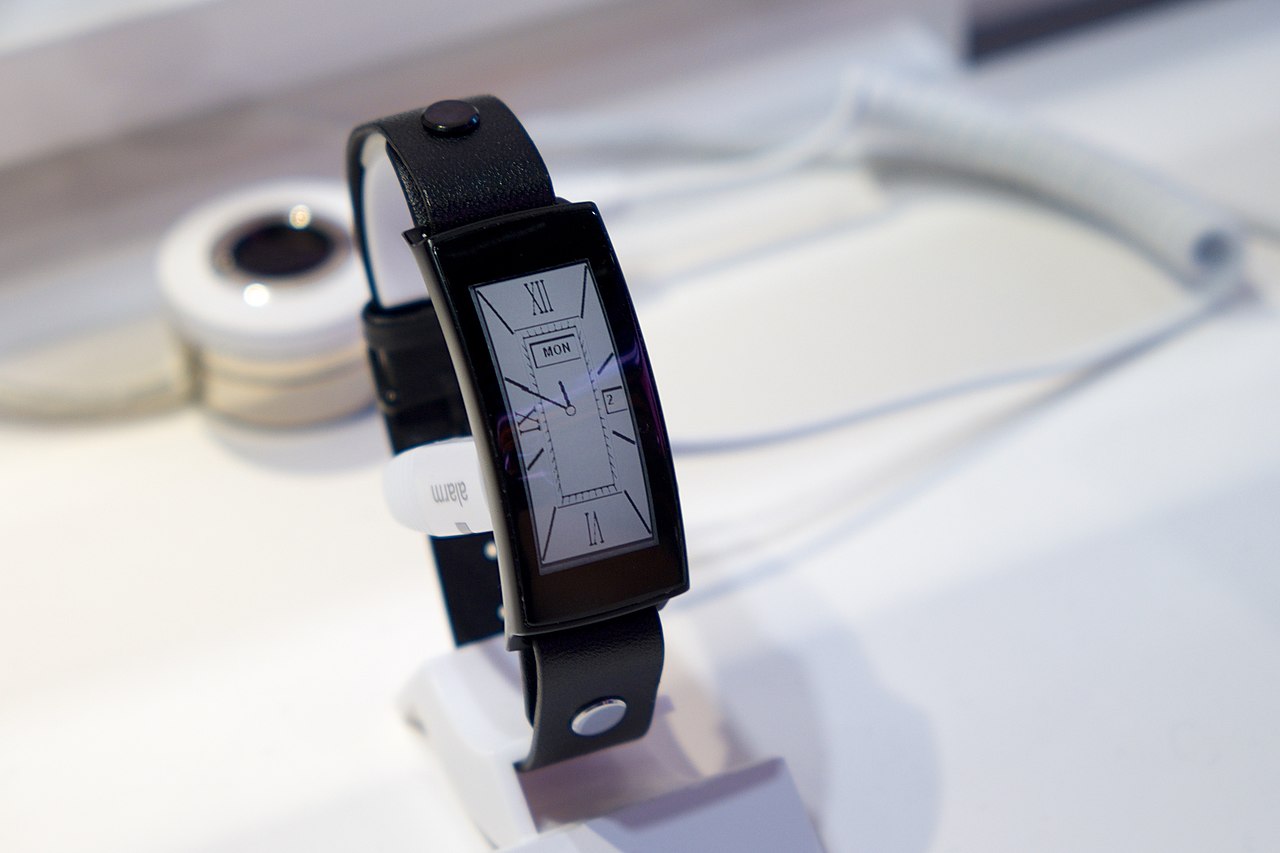
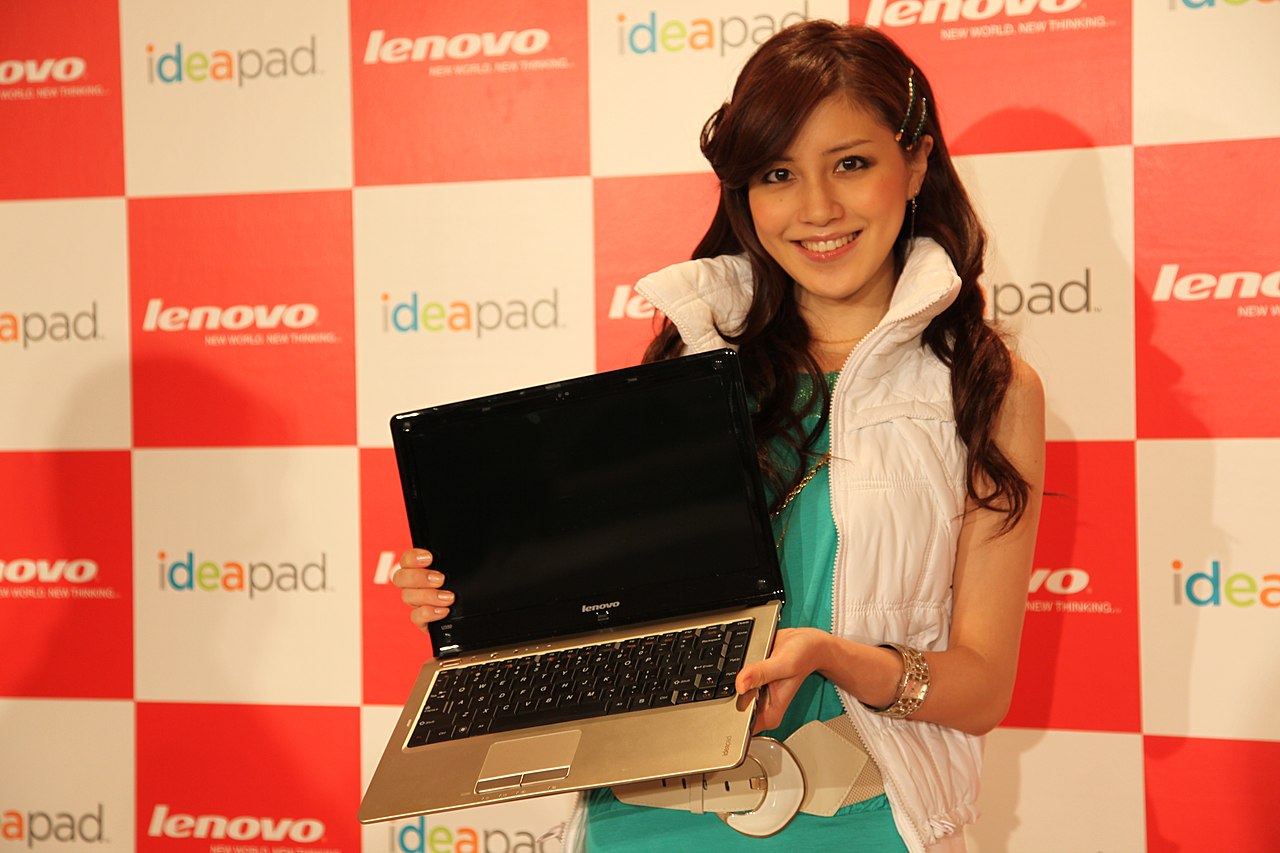


Products and characteristics
Lenovo's product range spans consumer and enterprise categories. Notable product families include the business-focused ThinkPad laptops, convertibles and ultrabooks, the flexible Yoga line, and the gaming-oriented Legion series. Beyond laptops and desktops, the company makes tablets, workstations, networked server systems, peripherals and software solutions. Its consumer phones and mobile products have also been marketed under other brands. Lenovo emphasizes durability, battery life, manageability for IT departments and integration between hardware and services.
Origins and corporate development
Lenovo began in Beijing in 1984 under the name Legend and was later incorporated in Hong Kong in 1988. The firm expanded rapidly in China and then internationally. A defining moment came in the mid-2000s when Lenovo acquired the personal computer division of IBM, a move that accelerated the company’s presence in Western markets and brought internationally recognized laptop lines into Lenovo's portfolio. Over time Lenovo also invested in server technologies and enterprise solutions built around processors from vendors such as Intel.
Major acquisitions and expansion
- Purchase of IBM's PC business (mid-2000s), which added global distribution and the ThinkPad brand.
- Later agreements to acquire Intel-based server assets and expand data-center offerings.
- Acquisition of Motorola Mobility from Google in 2014, bringing a well-known mobile handset brand into Lenovo's ecosystem; the transaction involved Motorola Mobility and closed after regulatory approvals.
Uses, markets and importance
Lenovo serves consumers, small business, large enterprise and public-sector customers. Its hardware powers workplaces, educational institutions and home offices. On the enterprise side the firm provides servers, storage and services that support cloud infrastructure and corporate IT. The company competes with other major vendors in PCs and infrastructure while also addressing growth areas such as edge computing and smart devices.
Notable facts and distinctions
Although rooted in China—initially in Beijing—Lenovo has maintained multinational operations and a presence in financial centers like Hong Kong. It often highlights cross-border engineering teams and acquisitions as keys to its rise. The brand strategy mixes legacy names acquired from other companies with original lines developed under the Lenovo name. Industry observers note Lenovo’s transformation from a regional supplier to a global competitor in less than three decades.
For more product details or corporate history consult official resources and technology analyses from independent reviewers and industry publications. Additional corporate pages and product documentation are available through regional channels and authorized partners (search links and company pages for up-to-date specifications and service options) and through partners who distribute Lenovo systems and support.
Related topics: corporate strategy, PC market dynamics, enterprise servers and mobile handset integration—each area reflects how acquisitions and product development shaped Lenovo’s current role in the global technology landscape. For brand and product pages see company releases and vendor documentation that describe warranties, enterprise services and product features in depth (computer, company, acquired, mobile phone).
Related articles
Author
AlegsaOnline.com Lenovo: global PC maker — history, products, and influence Leandro Alegsa
URL: https://en.alegsaonline.com/art/57152
Sources
- fortworthnews.net : "US Moto X production plant of Motorola to be shut down by year end"
- theverge.com : " Motorola is now part of Lenovo"
- csmonitor.com : "Ever heard of Lenovo, Haier, CNOOC? You will"
- wikidata.org : wikidata.org/wiki/Q14799
- d-nb.info : 10181988-2
- isni.org : 0000 0004 4667 8431
- viaf.org : 156959761
- worldcat.org : viaf-156959761