
MSX — an open standard for 1980s home computers
MSX was a standardized home-computer architecture created in the early 1980s to unify hardware and software across manufacturers. It spawned several generations, a strong game library and a lasting retro community.
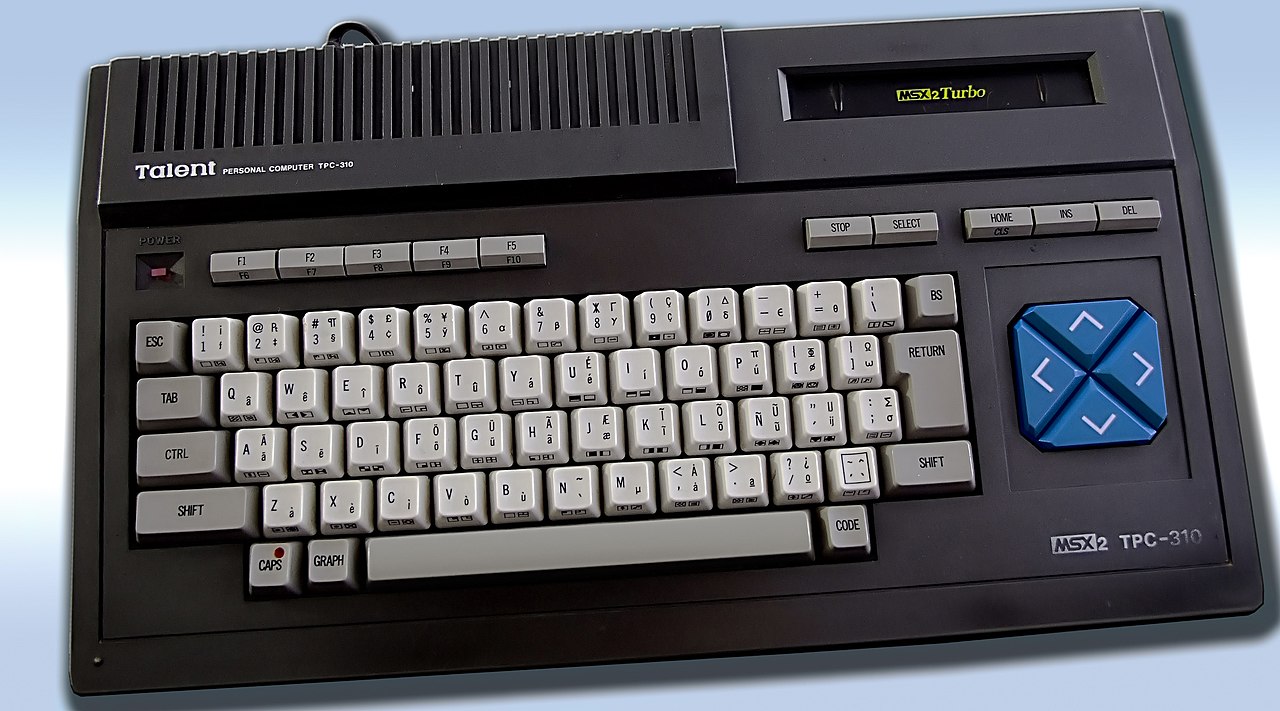
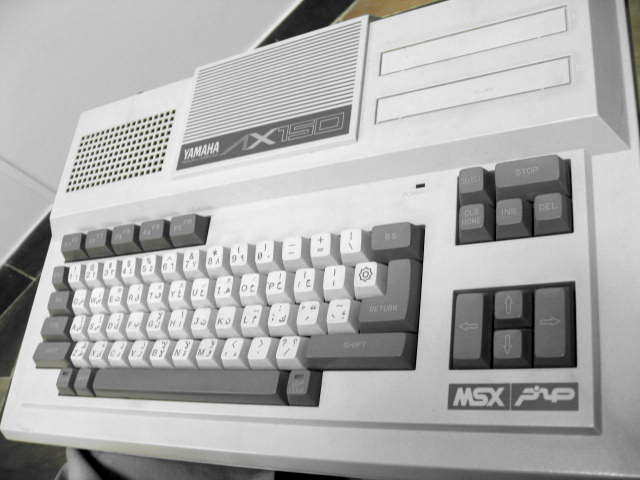
MSX was a standardized specification for home computers developed in the early 1980s to allow multiple manufacturers to build compatible systems. Conceptualized by executives at Microsoft Japan and partners in the Japanese PC industry, the MSX standard defined a common set of hardware and firmware so that cartridges, software and peripherals could run across machines from different brands. Although it failed to gain traction in the United States and the United Kingdom, MSX machines became popular in Japan, parts of Europe, and Latin America; around five million MSX units were sold worldwide.
Image gallery
10 Images




Key characteristics
The MSX standard prescribed a baseline architecture rather than a single model. Typical features included:
- Zilog Z80 family processors or compatible CPUs;
- MSX BASIC — a variant of Microsoft BASIC resident in ROM that provided a uniform programming and boot environment;
- Video display hardware based on common chips (popular examples included the TMS9918 family) and a standard screen layout for games and applications;
- Programmable sound generators (commonly the AY-3-8910 family) and cartridge slots for software distribution;
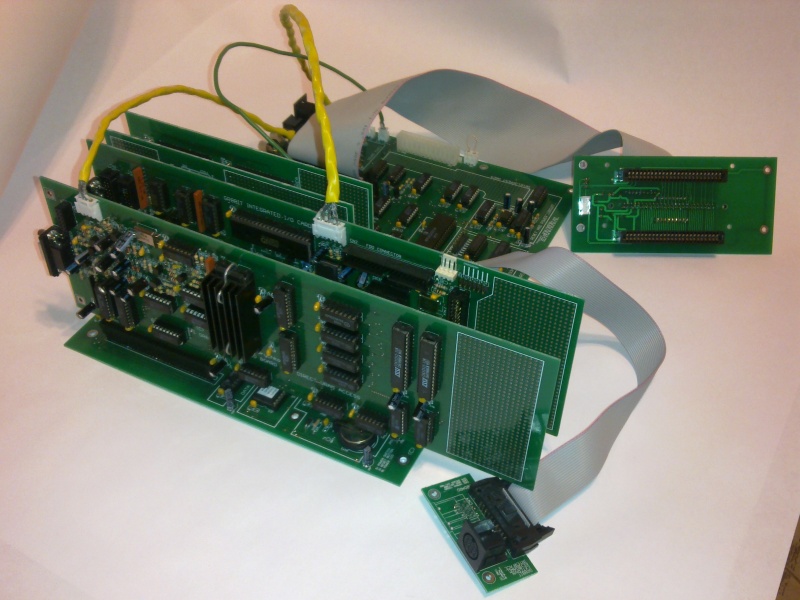
- Standard BIOS/ROM interfaces and expansion ports so peripherals and disk systems could be shared across brands.
History and development
The initiative was led by Microsoft Japan in collaboration with Japanese firms and the MSX special interest group. The goal was to create an industry-wide standard similar to the role the IBM PC later played in business computing, but targeted at the home market and hobbyists. Over the decade following its introduction, the MSX standard evolved through several revisions: MSX2 added higher-resolution graphics and more memory, later MSX2+ improved colors and video capabilities, and the TurboR family offered enhanced processors and performance.
Software, games and uses
MSX became notable as a gaming platform: many Japanese game developers released titles for MSX, and several franchises appeared on it early in their histories. The unified hardware helped game publishers reach multiple markets without heavy porting. Beyond games, MSX systems were used for education, programming and simple office tasks; MSX-DOS provided disk-based file management and a command environment similar to contemporaneous PC DOS systems.
Market impact and legacy
MSX was adopted by many manufacturers — including major consumer electronics companies — which helped it spread in regions where those vendors had strong distribution. It did not displace dominant platforms in the US or UK, but it left a lasting legacy: a dedicated retro community, emulators, archival efforts, and periodic hardware reissues that celebrate MSX's role as a cross-manufacturer standard. For an introduction to models and compatibility details see MSX overview, and for background on the project's corporate origins consult material about Microsoft's involvement.
Notable distinctions: MSX was a standards effort rather than a single machine line, which differentiated it from contemporaries that were tied to a single manufacturer. Its structured ROM and BASIC environment made it particularly approachable for hobbyists and educators at the time.
Related articles
Author
AlegsaOnline.com MSX — an open standard for 1980s home computers Leandro Alegsa
URL: https://en.alegsaonline.com/art/67298