
Schaumburg, Illinois — suburban center northwest of Chicago
Schaumburg is a large suburban village northwest of Chicago in Cook County, Illinois, known for Woodfield Mall, major corporate offices, parks and regional transportation links near O'Hare Airport.
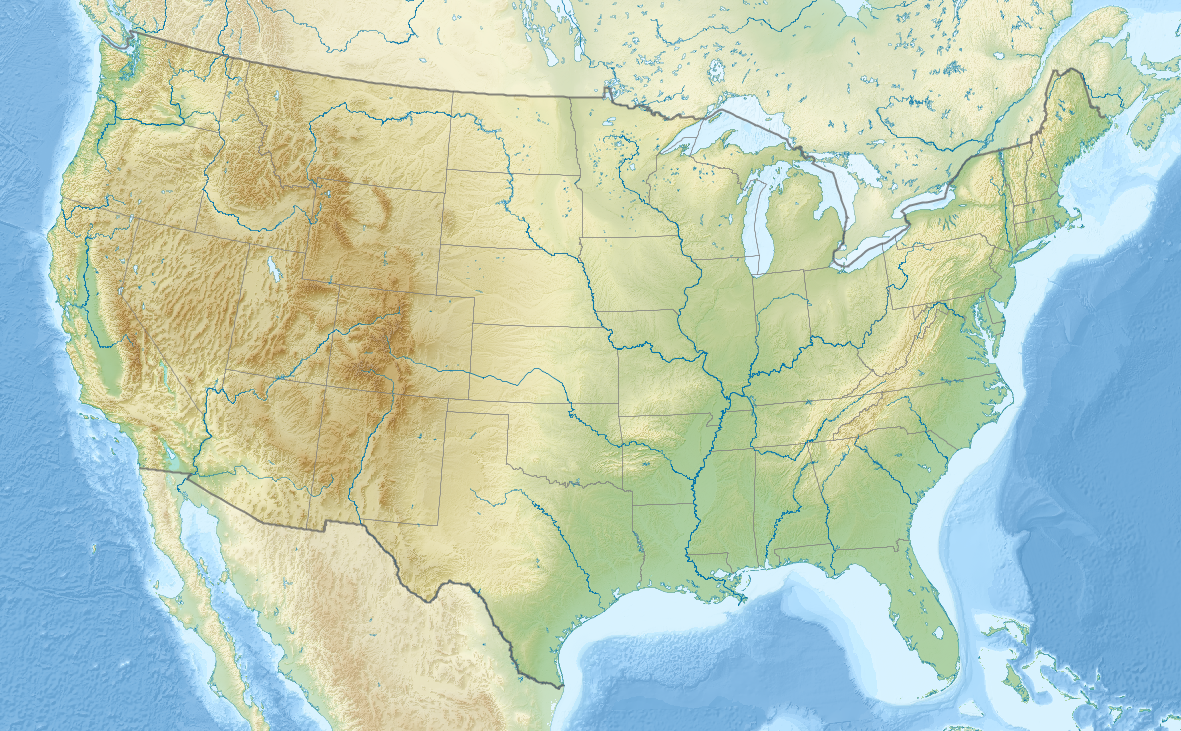
Schaumburg is a large suburban village located primarily in Cook County in northeastern Illinois, in the United States. It lies on the northwest side of the Chicago metropolitan area and functions as a regional commercial and residential center for the western suburbs. The community is positioned a short distance northwest of Chicago and is relatively close to O'Hare International Airport, which influences travel and business in the area.
Image gallery
8 Images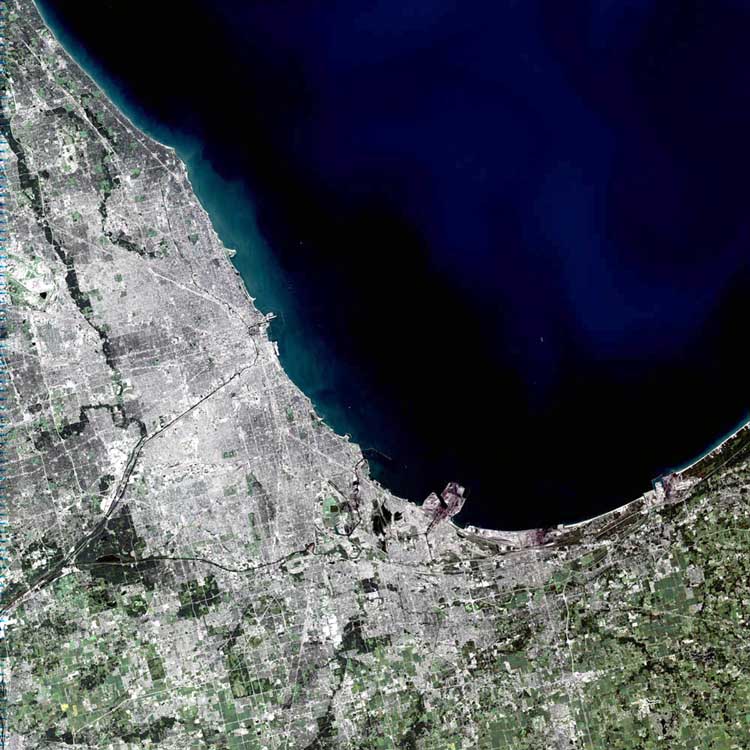


Overview and character
Schaumburg is one of the larger villages in Illinois by population and combines residential neighborhoods, shopping districts, office parks and recreational areas. The built environment ranges from suburban housing developments and strip commercial corridors to higher-density retail and office complexes that serve a multi-county market. The village is part of a broader suburban network that includes adjacent towns and several major road and transit corridors.
History and development
The area that became Schaumburg was settled by European immigrants in the 19th century and remained largely agricultural for many decades. Suburban growth accelerated in the mid-20th century as the Chicago region expanded; transportation improvements and planned commercial investments transformed it into a regional hub. Local place names and institutions reflect the community’s German-American roots and later suburban identity.
Economy, attractions and amenities
Schaumburg’s economy is anchored by retail, corporate offices and hospitality. Notable attractions include one of the Chicago area’s largest shopping centers, a convention and hotel complex, cultural venues and a minor-league ballpark. Parks and forest preserves on the village’s margins offer trails and water recreation, and a mix of office parks hosts regional headquarters and technology firms.
Government, services and distinctions
The village is governed by an elected board and provides municipal services typical for a suburban municipality: police, fire, public works and parks. Schaumburg is distinctive for its blend of high-density commercial development alongside extensive suburban neighborhoods, and for serving as a transportation and economic node in the northwest suburbs of Chicago.
Notable points
- Major retail and convention destinations draw regional visitors.
- Business parks support a concentration of corporate and professional offices.
- Parks, preserves and recreational facilities provide outdoor options near urban amenities.
Related articles
Author
AlegsaOnline.com Schaumburg, Illinois — suburban center northwest of Chicago Leandro Alegsa
URL: https://en.alegsaonline.com/art/87840