
Moon landing conspiracy theories
Overview of claims that the Apollo Moon landings were faked, common arguments and counterevidence, historical context, reasons for persistence, and cultural impact.
Overview
Moon landing conspiracy theories assert that the United States did not land astronauts on the Moon during the Apollo missions (1969–1972) and that footage, photographs, and official accounts were staged or fabricated. These claims are rejected by the scientific community, historians, and the institutions involved, but they have attracted public attention and a persistent subculture of supporters. For a general introduction to the topic see moon landing conspiracy theories and for background on the spacecraft and missions consult sources such as Apollo program.
Image gallery
10 Images




Common claims
Arguments advanced by skeptics vary in detail but often include assertions that photography and film taken on the Moon were produced indoors, that stars are missing from lunar images, that flag motion contradicts a vacuum environment, or that radiation belts would have made the journey lethal. Critics also point to alleged anomalies in shadows, footprints, and spacesuit behavior. These claims are typically offered as visual or technical puzzles rather than systematic scientific analyses.
Evidence and rebuttals
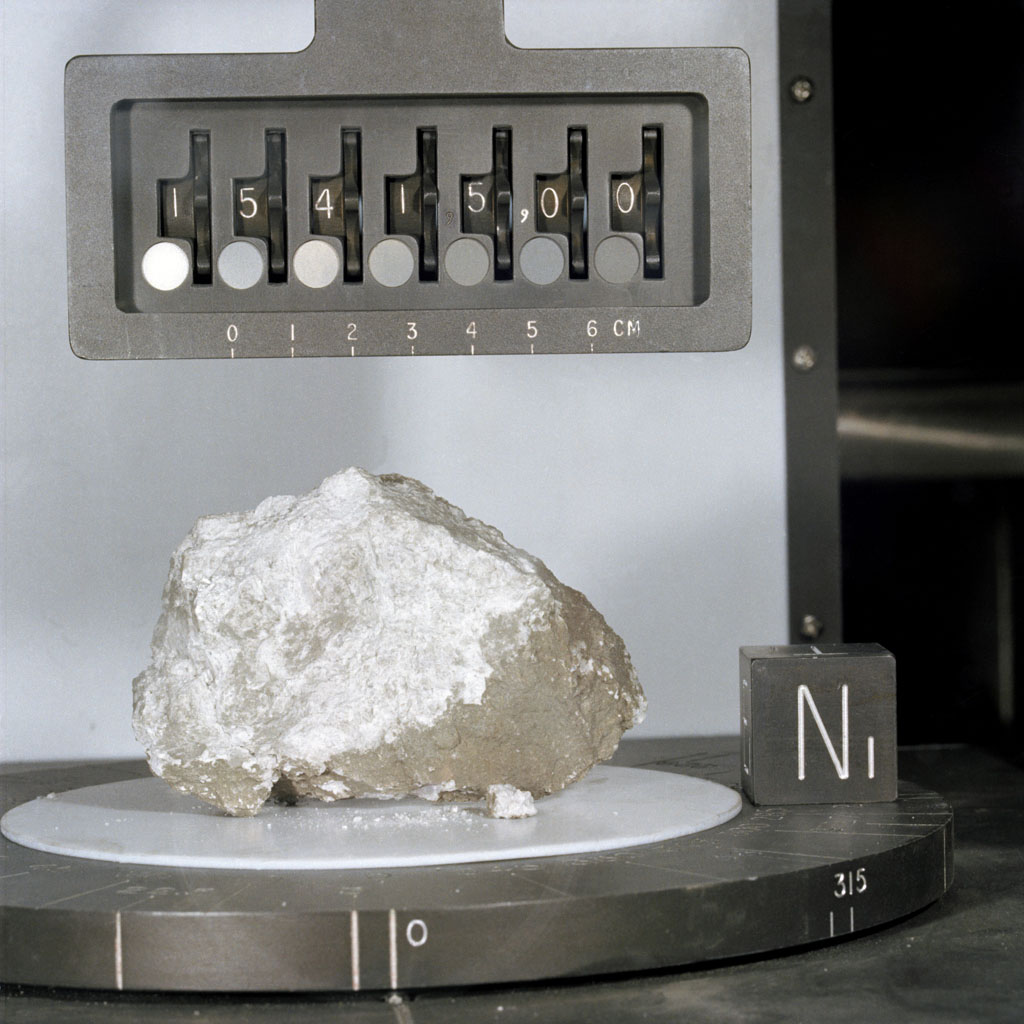
Professional scientists, engineers, and independent investigators have addressed the main points raised by conspiracy theorists. Explanations rely on well-understood optics, vacuum behavior, photographic exposure, and mission telemetry. Independent lines of verification include the large amount of physical lunar material returned to Earth, retroreflectors left on the surface and still used by laser ranging experiments, third-party tracking by other nations, and the consistency of data from multiple missions and instruments. For official records and technical archives, see organizations such as NASA.
Origins and spread
Theories questioning the Moon landings emerged soon after Apollo and gained visibility through books, television documentaries, and later the internet. Social, political, and cultural factors have helped spread and sustain these beliefs: mistrust of government, the appeal of contrarian narratives, and the low cost of distributing claims online. The subject has been discussed internationally and sometimes adapted to local political contexts; public interest spikes when new films or publications revive the topic.
Why the idea persists and its cultural impact
Belief in a hoax often serves broader social or psychological roles—explaining complex events in simpler terms or expressing skepticism of authority. Conspiracy narratives about the Moon have influenced popular culture, inspired fiction, and prompted educational responses aimed at improving scientific literacy. Critical investigations and educational materials are available from multiple independent sources and research groups; a useful place to start for further reading is analyses of specific claims and archived mission documentation.
Key distinctions and resources
- Hoax claims are assertions that the landings never occurred in any form.
- Misinterpretations come from misunderstandings of physics, photography, or mission operations.
- Corroborating evidence includes returned lunar rocks, radio tracking, and continuing use of lunar instruments.
For further inquiry, scholarly rebuttals and technical explanations are available; an overview of technical counterarguments can be found by consulting mission archives and scientific reviews such as those referenced at general summaries and institutional collections like Apollo program material and independent analyses at NASA or related scientific organizations.
Questions and answers
Q: What are moon landing conspiracy theories?
A: Moon landing conspiracy theories are beliefs that men did not land on the Moon in 1969–1972 during the Apollo program and that NASA faked the information.
Q: How is this belief viewed by the scientific community and historians?
A: This belief is considered by the scientific community and historians to be irrational.
Q: How can people debate this topic on the internet?
A: On the internet, it is easy for anyone to publish their ideas, so people can debate this topic online.
Q: Are there any cultures or subcultures who believe that moon landings were faked?
A: Yes, there are subcultures within the USA and cultures around the world that believe that moon landings were faked. This view is claimed to have been taught in Cuban schools and wherever else Cuban teachers are sent (Nicaragua, Angola). It is also shared by the Taliban and by International Society for Krishna Consciousness (ISKCON).
Q: What space station do some conspiracy theorists believe was a hoax?
A: Some conspiracy theorists believe Skylab space station was a hoax.
Q: Where has this view of moon landings being faked been taught?
A: This view has been taught in Cuban schools and wherever else Cuban teachers are sent (Nicaragua, Angola).
Related articles
Author
AlegsaOnline.com Moon landing conspiracy theories Leandro Alegsa
URL: https://en.alegsaonline.com/art/66537
Sources
- pbs.org : A Blow to the Nation
- 4dos.hit.bg : NASA mooned America
- manonmoon.ru : «Скайлэб» - блестящий эпилог «Аполлона»
- wired.com : The wrong stuff
- jamesoberg.com : Lessons of the 'fake Moon flight' myth
- apollotruth.atspace.co.uk : Apollo Truth
- blogs.telegraph.co.uk : Obama's cancellation of Moon landings is a case of "No we can't", not "Yes we can"
- salagram.net : Did man really walk on the Moon???
- krishna.org : "Man On The Moon--A Colossal Hoax that Cost Billions of Dollars" · web.archive.org
- news.bbc.co.uk : 1961: Soviets win space race
- russianspaceweb.com : Chronology of the Moon race
- edition.cnn.com : Bush unveils vision for Moon and beyond
- veche.ru : Interview with Alexander Ivanovich Popovox