
Mukden Incident (1931): Prelude to the Japanese Occupation of Manchuria
A staged explosion on September 18, 1931 used by elements of the Imperial Japanese Army as a pretext to invade Manchuria, leading to the creation of Manchukuo and Japan’s diplomatic isolation.
Overview
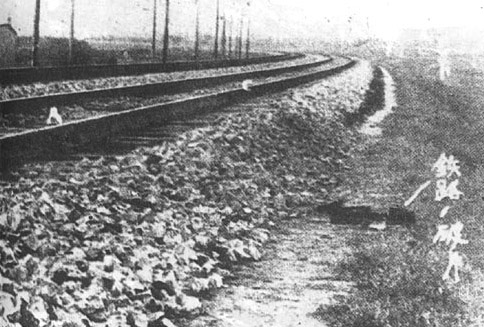
The Mukden Incident, also called the Manchurian Incident, occurred on September 18, 1931, near the city of Mukden (modern Shenyang) on a line of the South Manchuria Railway. Small charges detonated beside the track were attributed by Japanese military authorities to Chinese saboteurs. Contemporary investigations and later historical studies indicate the explosion was orchestrated by members of Japan's Kwantung Army and used as a pretext for a swift military occupation of the surrounding territory.
Image gallery
7 Images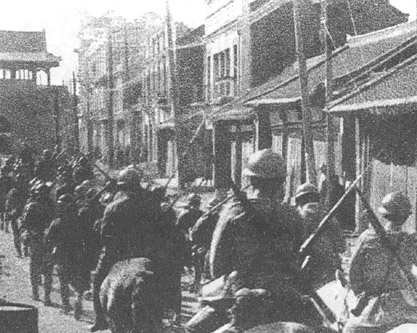


Background
During the early 20th century Japan had extensive economic and military interests in the northeastern region of China. That region, commonly referred to as Manchuria, contained rail links, natural resources and a significant Japanese presence associated with the South Manchuria Railway. Tensions between Japanese military forces stationed in the region and Chinese authorities and local groups were high in the years before 1931, producing a climate in which an incident could trigger larger action.
The incident and immediate actions
On the night of September 18 small explosive charges were set off beside the railway track near Mukden. The blast damaged the line only slightly and passengers and trains were not reported to have suffered major casualties, but the incident was presented by Japanese officers as deliberate sabotage. Some contemporary descriptions refer to the explosive material in general terms, and later accounts sometimes mention dynamite or similar demolition charges without precise technical detail. Within hours of the explosion, Japanese troops began operations that soon extended well beyond the railway corridor.
Occupation and political arrangements
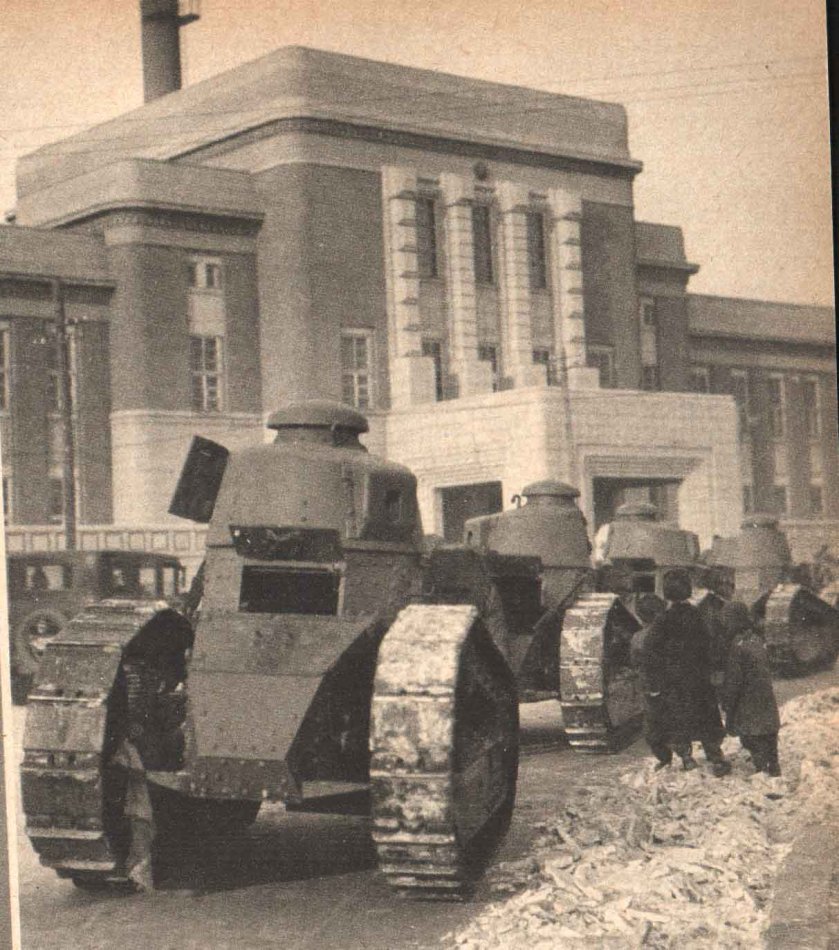
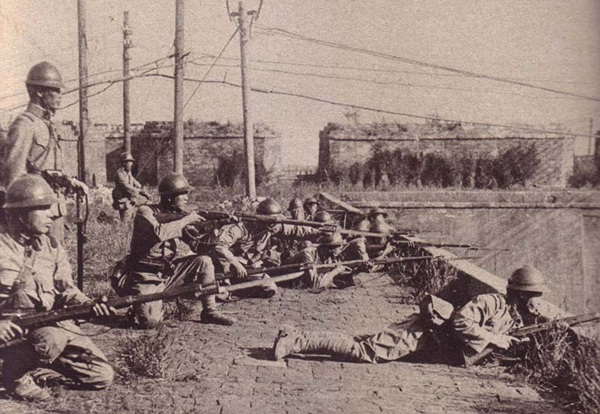
Japanese forces occupied key cities and installations across the region over the following weeks and months. In 1932 Tokyo supported the establishment of a nominally independent regime called Manchukuo. International observers and many historians describe this entity as a puppet state because real authority rested with Japanese military and civilian authorities rather than with indigenous political institutions.
International reaction
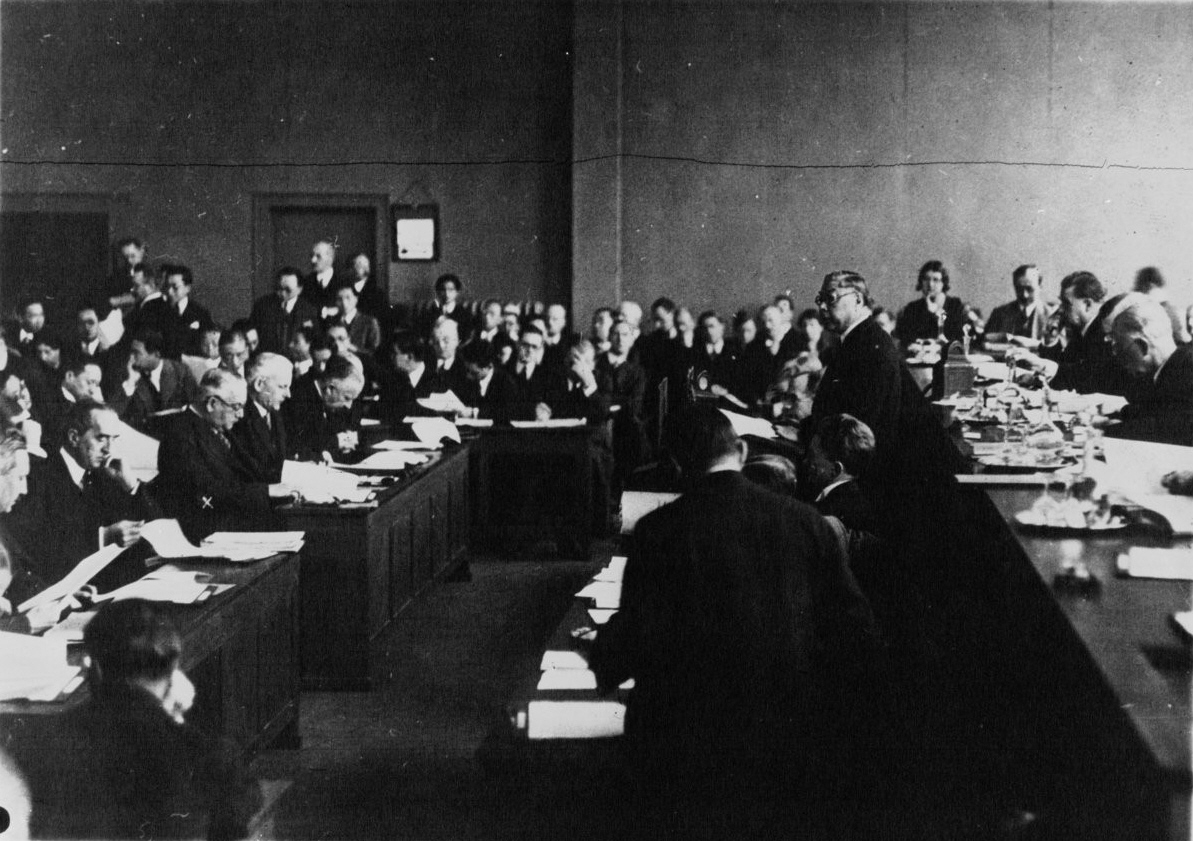
The events in Manchuria prompted diplomatic protests and an investigation by the League of Nations. The League's inquiry did not accept Japan's justification for the invasion and called for withdrawal of Japanese forces. Confronted with criticism, Japan chose to reject the League's findings and formally withdrew from the League of Nations in 1933, a move that increased its international isolation and signalled a shift away from relying on multilateral institutions to resolve disputes.
Significance and legacy
The Mukden Incident is often cited as a clear example of a manufactured casus belli: a deliberately provoked event used to justify military expansion. Its consequences included the prolonged foreign occupation of Manchuria, the displacement of local populations, and the undermining of collective-security mechanisms of the interwar period. Historians treat the episode as an important early step in the escalation of hostilities in East Asia during the 1930s and a warning about the limits of international institutions when major powers choose unilateral action.
Key points
- The Mukden Incident took place on 18 September 1931 and involved a staged explosion along the South Manchuria Railway.
- The operation was carried out by elements of the Japanese Kwantung Army and used to justify a rapid military occupation of Manchuria.
- The occupation led to the establishment of Manchukuo, widely regarded as a puppet regime under Japanese control.
- International condemnation, including from the League of Nations, culminated in Japan's withdrawal from that organization and contributed to its diplomatic isolation.
For further study, consult comprehensive histories of Japanese expansion in the early 20th century and primary-source reports produced at the time to understand contemporary perceptions of responsibility and the diplomatic consequences that followed. Archival materials and scholarly syntheses provide detailed timelines and analyses of the incident and its aftermath.
See also sections on the South Manchuria Railway, the Kwantung Army, and diplomatic responses to aggression in the interwar international system for broader context.
China | Manchuria | dynamite | puppet state | Manchukuo | League of Nations
Questions and answers
Q: What is the Mukden Incident?
A: The Mukden Incident, also known as the Manchurian Incident, was an event set up by Japanese soldiers as a reason for invading the northern part of China known as Manchuria in 1931.
Q: When did the Mukden Incident happen?
A: The Mukden Incident happened on September 18, 1931.
Q: What happened during the Mukden Incident?
A: A small amount of dynamite was blown up by a Japanese soldier near Japan's South Manchuria Railway near Mukden, and the Japanese army blaming the action on the Chinese people, fully invaded Manchuria, leading to its occupation.
Q: Was the explosion during the Mukden Incident significant?
A: The explosion during the Mukden Incident was so weak that the rail was still usable.
Q: What did Japan do after occupying Manchuria?
A: Japan set up its puppet state of Manchukuo six months later.
Q: How did the world respond to the Mukden Incident?
A: Soon the world knew the event, leading Japan to diplomatic isolation and its withdrawal from the League of Nations.
Q: What is another name for the Mukden Incident?
A: The Mukden Incident is also known as the Manchurian Incident.
Related articles
Author
AlegsaOnline.com Mukden Incident (1931): Prelude to the Japanese Occupation of Manchuria Leandro Alegsa
URL: https://en.alegsaonline.com/art/67404