
Murder of Selena Quintanilla (1995)
Overview of the killing of American singer Selena Quintanilla on March 31, 1995, the circumstances, legal outcome, public reaction and cultural legacy.
Overview
The murder of Selena Quintanilla, a leading American Tejano singer, took place on March 31, 1995. The death shocked fans across the United States and Mexico and remains one of the most widely reported violent incidents in modern popular music history. The person charged in connection with the shooting was Yolanda Saldívar, who had been employed as the manager of Selena’s boutiques and as president of her fan club.
Image gallery
2 Images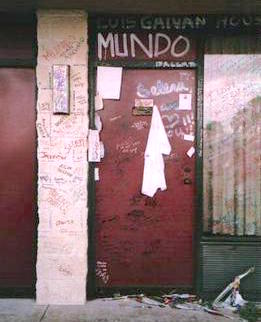

Circumstances and timeline
By early 1995 Selena and Saldívar’s working relationship had become strained amid allegations of missing financial records and misappropriated funds. Selena and her husband visited Saldívar in late March to recover documentation. On March 31, the two met again at a motel to retrieve business records. According to accounts from the investigation and subsequent trial, an argument at the motel escalated and Saldívar shot Selena. Selena was transported to a local hospital but was pronounced dead shortly afterward. Saldívar then left the scene and initiated a standoff that lasted several hours before she surrendered to police.
Investigation and trial
The legal case that followed focused on whether the shooting was deliberate or accidental. Saldívar pleaded not guilty to murder and asserted the shooting had been unintentional. During the trial a jury heard testimony about the financial disputes, the events at the motel, and forensic evidence. The jury found Saldívar guilty. She received a life sentence with the possibility of parole after many years, a detail that has been cited frequently in public discussions about the case and its resolution.
Public reaction and cultural impact
Selena’s death produced an intense outpouring of grief from fans, musicians, and public figures. Tributes across the United States and Mexico included memorials, concerts, and public gatherings. Her influence on Latin music and crossover appeal to mainstream American audiences became a focal point of posthumous recognition. The tragedy also fueled broader conversations about fan management, the protection of artists, and accountability in small entertainment businesses.
Legacy and portrayals
In the years after her death Selena’s music continued to reach new audiences. Statues, commemorative events, and portrayals in television and film have contributed to an ongoing legacy. A major feature film released in the late 1990s brought renewed attention to her life and career and introduced Selena’s story to viewers who were too young to remember the original coverage. Commentators often compare the shock of her death to the public responses following the deaths of other prominent musicians who died unexpectedly.
Further reading and resources
- Contemporary news reports and timelines
- Biographical summaries of Selena's life
- Media coverage of the shooting
- Information on Selena's boutiques and business ventures
- Reports regarding financial disputes and investigations
- Accounts of Selena's personal relationships
- Biographical details about Chris Pérez
- Court testimony and claims presented during the investigation
- Details on weapons evidence in the case
- Coverage of the post-shooting standoff
- Verdict and sentencing materials
- Information on parole eligibility and corrections status
- Film adaptations and dramatizations
- Studio and production notes about cinematic portrayals
- Profiles of actors associated with portrayals of Selena
- Comparisons to other prominent musicians' deaths
- Cultural analyses of celebrity deaths and public mourning
- Official proclamations and recognitions
- Commemorative events and dates established in memory
Note: This article summarizes broadly reported facts about the death of Selena Quintanilla and its aftermath. Exact legal documents, forensic reports, and primary source transcripts provide the most authoritative detail and are available through archival and legal repositories for readers seeking in-depth research.
Questions and answers
Q: What happened to Selena Quintanilla on March 31, 1995?
A: Selena Quintanilla was shot and killed by Yolanda Saldivar.
Q: What had Yolanda Saldivar been doing prior to the murder?
A: Yolanda Saldivar had been embezzling money from Selena's boutiques and fan club.
Q: How did Selena react when she found out about the embezzlement?
A: Selena could not believe her best friend would do something like that and tried to maintain their friendship.
Q: Why did Selena go to meet up with Saldívar on March 31, 1995?
A: On March 31, 1995, Selena went to meet up with Saldívar in order to collect paperwork and missing documents for tax preparations.
Q: What happened when they met at the hotel?
A: When they met at the hotel, Saldívar claimed that she was raped in Mexico which made Selena decide to end their friendship. When Selena attempted to close the door, Saldivar pulled out a gun from her purse and shot her in the back.
Q: What happened after shooting her?
A: After shooting her,Selena was taken to a local hospital but was declared dead. Meanwhile, Saldívar went into her pickup truck and threatened suicide before giving herself up after nine hours.
Q: How has Selenas death been remembered since then?
A: Since then there have been many tributes done throughout the United States and Mexico including two life-sized statues made in honor of her memory as well as a 1997 movie starring Jennifer Lopez as her breakthrough role . George W Bush also declared April 16th as "Selenas Day" in Texas making it one of the darkest days in music history which helped increase awareness of her popularity across America
Related articles
Author
AlegsaOnline.com Murder of Selena Quintanilla (1995) Leandro Alegsa
URL: https://en.alegsaonline.com/art/67613
Sources
- product.half.ebay.com : Selena: Como La Flor · web.archive.org · web.archive.org
- people.com : "Before Her Time – Death, Murder, Selena" · web.archive.org · web.archive.org