
Monterey Bay
Monterey Bay is a large inlet on California's central coast known for its deep underwater canyon, productive upwelling, rich marine life and long history of fishing, research and tourism.
Overview
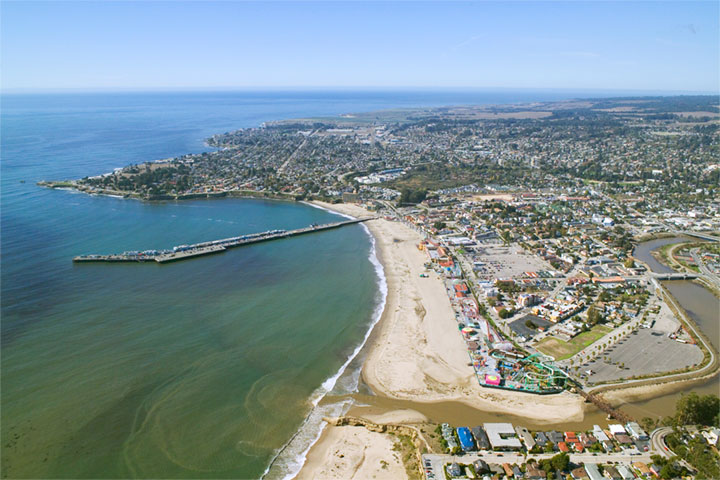
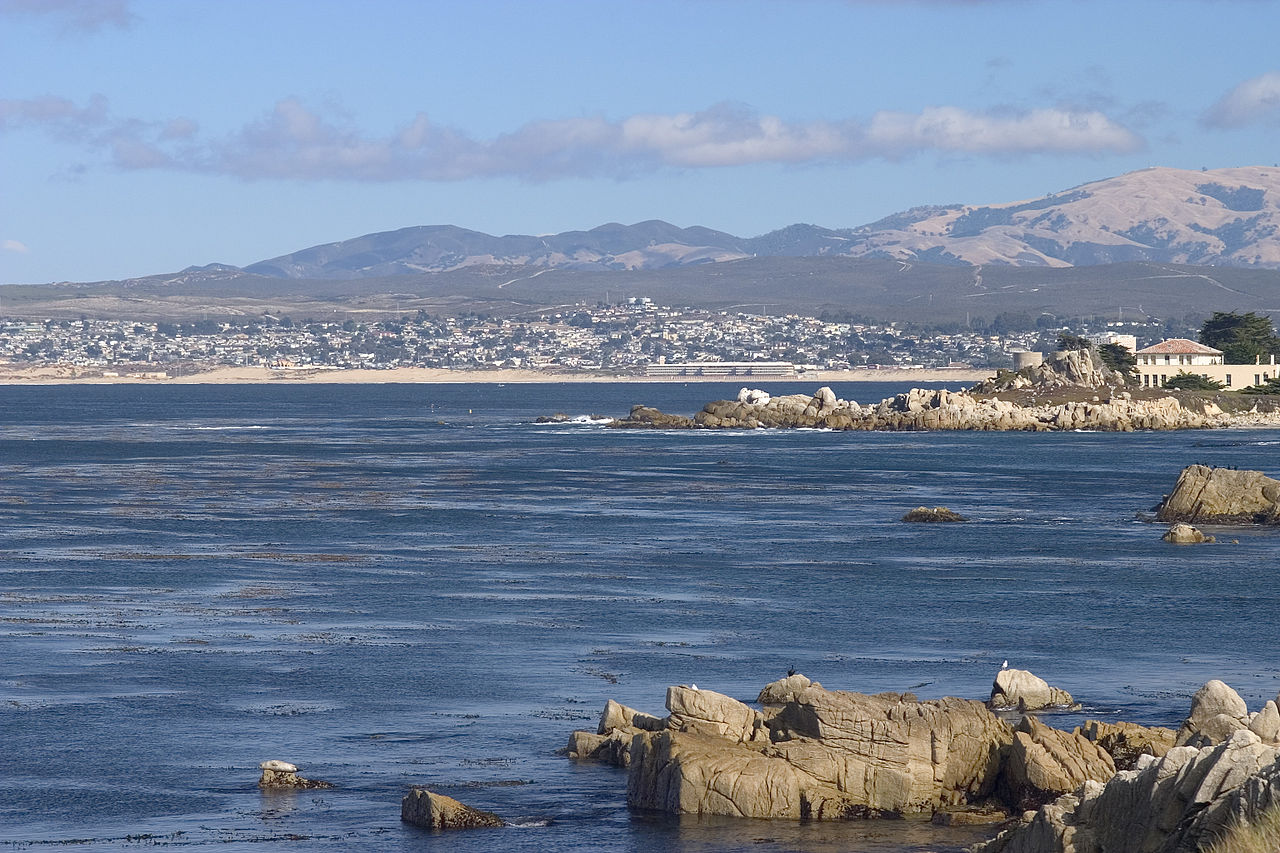
Monterey Bay is a broad bay of the Pacific Ocean along the central coast of the U.S. state California. It lies south of the major urban centers of San Francisco and San Jose. The city of Santa Cruz sits near the northern shore, while the city of Monterey occupies the Monterey Peninsula at the bay’s southern edge. The bay forms a natural embayment whose coastline supports towns, harbors and coastal wetlands.
Image gallery
10 Images




Physical characteristics
Monterey Bay is notable for a steep, submarine feature known as the Monterey Canyon, one of the largest underwater canyons off the North American coast. Cold, nutrient-rich water is drawn to the surface by coastal upwelling driven by regional currents, producing high biological productivity along the shelf. Shorelines include sandy beaches, rocky headlands and estuarine sloughs that connect to inland waters.
Marine life and ecosystems
The bay supports diverse marine habitats that include kelp forests, eelgrass beds, mudflats and deep-water communities. Typical wildlife includes kelp forest fishes, abalone and sea stars, along with marine mammals such as sea otters, seals and migrating whales. The productive waters also attract many seabirds and support local fisheries.
Human history and uses
Indigenous peoples inhabited the region for millennia before European exploration and later Spanish and Mexican settlement in the late 18th century. During the 19th and 20th centuries the bay became a center for fishing, canning and shipping—famous cultural references include the canneries of Cannery Row. Today the area is important for recreation, commercial and recreational fishing, port activities, and coastal tourism.
Research, conservation and cultural importance
Large portions of the bay and adjacent waters are managed for conservation and science. The region hosts major marine research institutions and public aquaria that study oceanography, marine life and conservation. Ongoing efforts aim to protect habitats, manage fisheries sustainably and monitor effects of climate variability. The combination of dramatic coastal scenery, scientific activity and historical associations makes Monterey Bay a notable location for ecology, education and coastal culture.
- Notable features: Monterey Canyon, kelp forests, estuaries
- Typical activities: research, whale watching, fishing, tourism
Related articles
Author
AlegsaOnline.com Monterey Bay Leandro Alegsa
URL: https://en.alegsaonline.com/art/66316