
Monte San Lorenzo (Monte Cochrane) — glaciated peak on the Argentina–Chile border
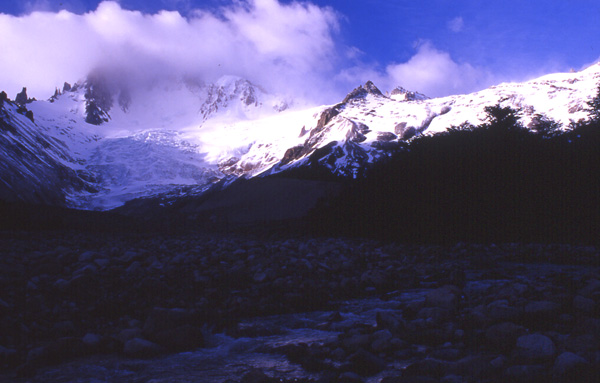
Monte San Lorenzo, also called Monte Cochrane, is a 3,706 m glaciated mountain in Patagonia on the Argentina–Chile border. Noted for its glaciers, alpine terrain and first ascent in 1943.
Overview
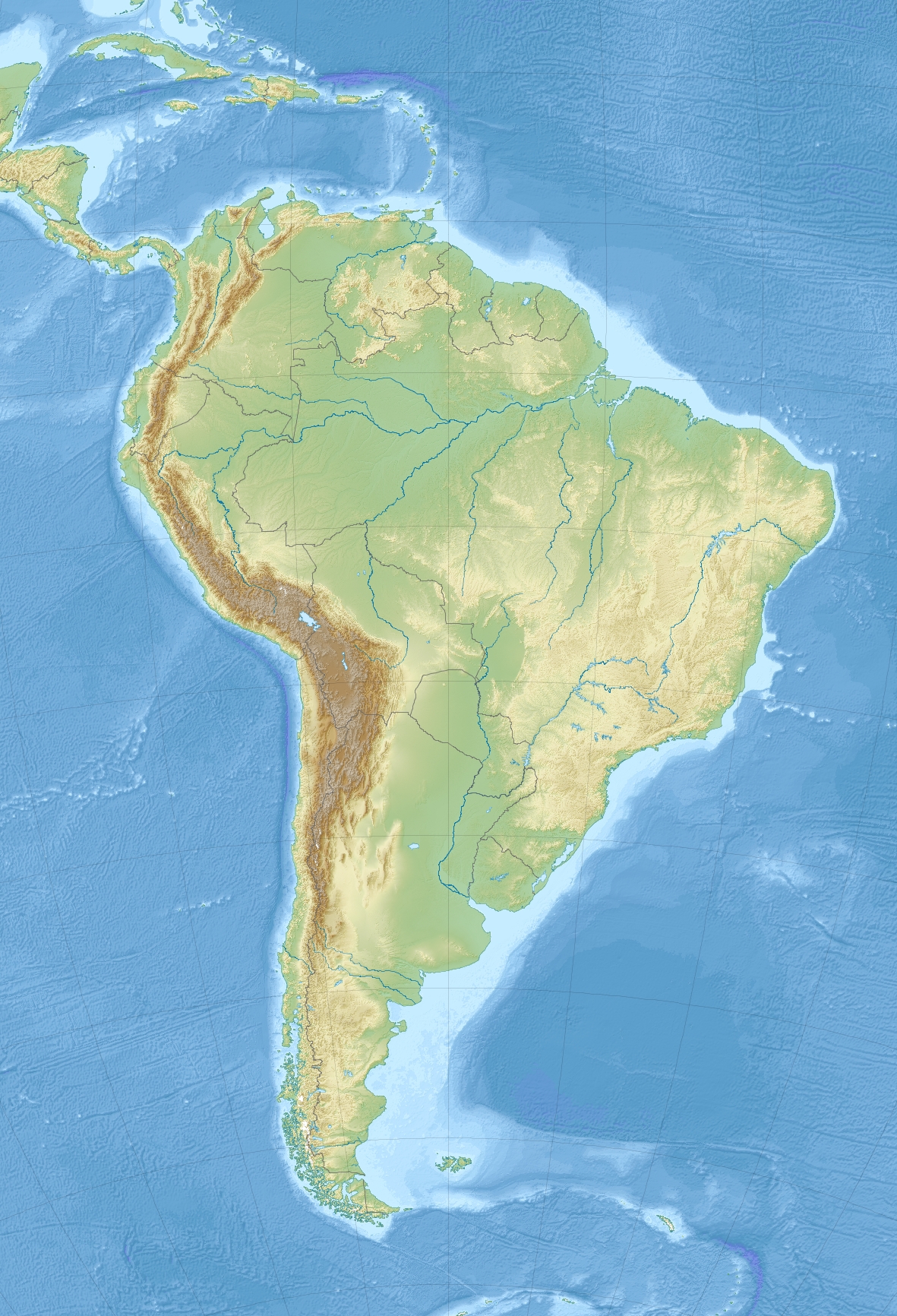
Monte San Lorenzo, frequently referred to as Monte Cochrane on the Chilean side, is a prominent mountain of the Patagonian Andes that straddles the international border between Argentina and Chile. Rising to about 3,706 metres (12,159 ft), the massif is an imposing feature of southern Patagonia and is known for steep, heavily glaciated slopes and changeable alpine weather. For general location information consult a location map.
Image gallery
3 Images
Characteristics
The mountain is part of the Andes chain and is dominated by a rocky summit surrounded by several substantial glaciers. There are three principal glaciers: two descend toward the Argentine side and one toward Chile. The Argentine glaciers have been observed to retreat in recent decades, a pattern consistent with regional glacial shrinkage.
- Elevation: approximately 3,706 m (12,159 ft).
- Location: on the Argentina–Chile border in Patagonia; see Argentina and Chile references for administrative context.
- Glaciation: three major glaciers with documented retreat on the Argentine flanks; further reading on the regional ice fields is available via glacier studies.
History and exploration
The peak was first recorded as climbed in 1943 by the Italian missionary and mountaineer Alberto María de Agostini, who conducted extensive exploration in Patagonia. Since then the mountain has drawn climbers and scientific parties interested in high-Andean geology, glaciology and the effects of climate variability in southern South America.
Access, climbing and significance
Approaches to Monte San Lorenzo are most often staged from the Chilean town of Cochrane, which gives the mountain its alternative name. Ascents require glacier travel and alpine technique; weather in Patagonia can be unpredictable, increasing objective hazards. The massif is important both as a challenging mountaineering objective and as a natural laboratory for observing glacial change in Patagonia. For regional background see Patagonia resources.
Notable facts and conservation
Monte San Lorenzo stands out for its isolated, rugged relief and its role in local hydrology as a source of meltwater. The visible retreat of its Argentine glaciers mirrors broader patterns across southern Andes, raising concerns for downstream water resources and local ecosystems. Researchers and visitors consult published studies and local authorities before planning fieldwork or climbs.
Related articles
Author
AlegsaOnline.com Monte San Lorenzo (Monte Cochrane) — glaciated peak on the Argentina–Chile border Leandro Alegsa
URL: https://en.alegsaonline.com/art/66295
Sources
- peakbagger.com : "Monte San Lorenzo, Argentina/Chile"
- peaklist.org : "Argentina and Chile, Southern - Patagonia Ultra Prominences"
- americanalpineclub.org : AAJ Online
- eoearth.org : Magellanic subpolar forests. Encyclopedia of Earth, National Council for Science and the Environment. Washington DC
- pubs.usgs.gov : "P 1386-I Chile and Argentina - Wet Andes: Northern Patagonian Andes"