
Montevideo — Capital and Largest City of Uruguay
Overview of Montevideo, Uruguay’s capital: history, neighborhoods, culture, economy, landmarks and practical notes for visitors and residents.
Overview
Montevideo is the capital and principal city of Uruguay, situated on the northern shore of the Río de la Plata. It serves as the administrative, cultural and economic centre of the country. The city combines waterfront promenades, historic districts and modern business areas, and is known for a relaxed urban character, broad public spaces and an active cultural scene.
Image gallery
2 Images
History and origins
European activity in the area increased in the early 18th century, and the modern city developed around strategic port and fortress sites. The city’s formal establishment is often dated to the first decades of the 1700s, when Spanish and Portuguese interests competed in the region; later colonial planning and 19th-century growth shaped the layout still visible today. Montevideo became the national capital after Uruguay’s independence and expanded steadily as a port and administrative hub.
Neighborhoods and architecture
Montevideo’s urban fabric mixes colonial remnants with 19th- and 20th-century architecture and contemporary developments. Notable districts include:
- Ciudad Vieja — the historic old quarter with plazas, museums and the old port.
- Pocitos — a beachside neighborhood popular for residences, cafes and promenades.
- Parque Rodó — cultural institutions and parks.
- Carrasco — an upscale residential area noted for large houses and a quieter, leafy atmosphere.
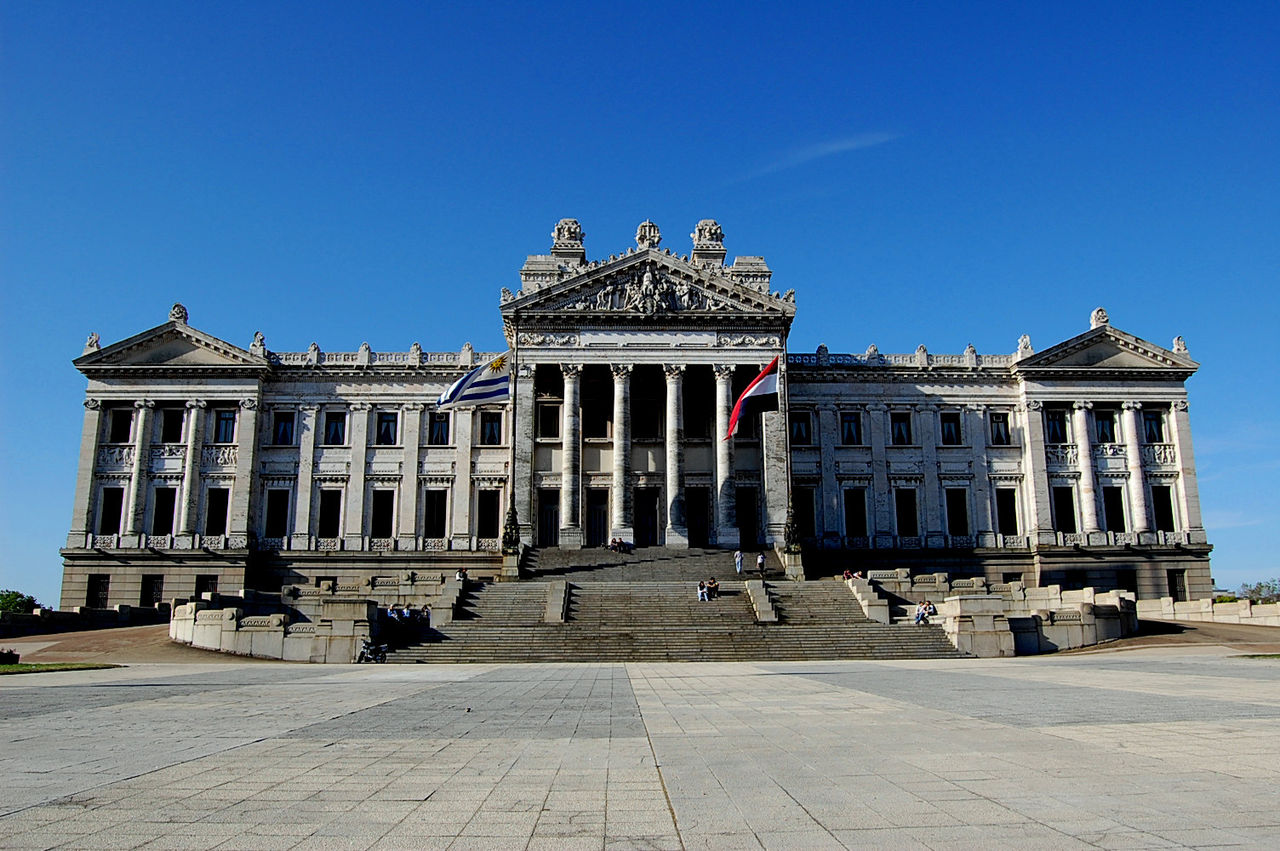
- Centro — the commercial and civic core with important public buildings and theaters.
Culture, economy and daily life
Montevideo is a cultural hub for Uruguay: it hosts national theaters, museums and festivals such as Carnival, and musical traditions including tango and candombe. The port remains important for trade, while services, government and tourism are key economic drivers. Public life often revolves around plazas, cafes and the long seafront Rambla, which is used for walking, cycling and social gatherings.
Transport, climate and visitor notes
The city is served by an international airport and a transport network of buses and major road links to the rest of the country. The climate is temperate and humid, with mild winters and warm summers, making waterfront activities popular for much of the year. Visitors often combine historic walks in Ciudad Vieja with time on the beaches and visits to markets and cultural venues.
Notable facts and resources
Montevideo’s mix of historical landmarks, seaside promenades and neighbourhood variety makes it a focal point for Uruguay’s identity. For official information and visitor guidance see city resources, and for historical context and archival material consult specialized sources at research collections.
Related articles
Author
AlegsaOnline.com Montevideo — Capital and Largest City of Uruguay Leandro Alegsa
URL: https://en.alegsaonline.com/art/66332
Sources
- doi.org : 10.1080/13562570500305052
- worldcat.org : 1356-2576
- acme.com : "Links: http://puu.sh/7ciGR.jpg + http://puu.sh/7ciHv.jpg + http://puu.sh/7ciIo.jpg"
- presidencia.gub.uy : "...el Área Metropolitana de Uruguay nuclea a los departamentos de San José, Canelones y Montevideo..."
- ine.gub.uy : Info censal de departamentos/Data 2011 census
- fodors.com : "MONTEVIDEO TRAVEL GUIDE"
- latam.mercer.com : "2015 Quality of Living Survey"