
Asif Ali Zardari — Pakistani politician and former President
Profile of Asif Ali Zardari, co‑chair of the Pakistan Peoples Party and President of Pakistan (2008–2013); overview, rise to power, presidency, reforms, controversies and legacy.
Overview
Asif Ali Zardari (born 26 July 1955) is a prominent Pakistani politician who served as the 11th President of Pakistan from 2008 to 2013 and later as co‑chair of the Pakistan Peoples Party. He first entered public attention through his marriage to Benazir Bhutto in 1987, and he became a central figure in Pakistani politics after her assassination in 2007. Zardari’s tenure and public image combine periods of political influence, institutional reform and protracted legal controversy.
Image gallery
10 Images


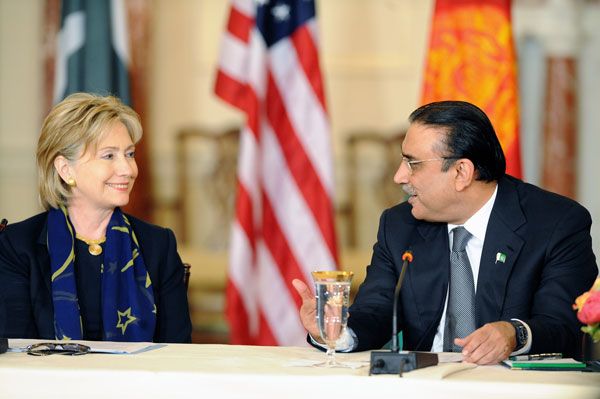
Early life and political ascent
Zardari was born into a landowning family in Sindh and developed ties to political and business circles over several decades. His marriage connected him to the Bhutto political dynasty: Benazir Bhutto was the daughter of former prime minister Zulfiqar Ali Bhutto. After Benazir Bhutto returned to Pakistan to contest elections, Zardari became more actively involved in the Pakistan Peoples Party and its organizational affairs. During turbulent years for the PPP, he spent time abroad in self‑exile and returned to Pakistan in the wake of Benazir Bhutto’s assassination in December 2007.
Presidency, reforms and governance
Following the 2008 general elections, Zardari assumed the presidency as a leader of the party that formed the governing coalition. His administration is best known for supporting a significant constitutional change, the 18th Amendment, which redistributed some powers away from the presidency and strengthened parliamentary institutions. The amendment was widely seen as a move toward a more parliamentary form of governance. His presidency also coincided with major national challenges, including severe flooding, continuing counterterrorism operations, economic volatility and efforts to manage civil‑military relations.
Major events and roles
- Marriage and political partnership with Benazir Bhutto, linking him to the PPP leadership and legacy (Benazir Bhutto).
- Return from exile and elevation to party co‑chair following Bhutto’s assassination (Pakistan Peoples Party).
- Election to the presidency after the 2008 polls and endorsement of constitutional reforms (Presidency, 2008–2013).
- Engagements with regional and international partners on security and reconstruction efforts (Sindh and regional ties).
- Ongoing debates over governance, accountability and the role of civilian institutions in Pakistan (Political lineage and legacy).
Controversies and public perception
Zardari’s career has been marked by sustained allegations of corruption and financial impropriety. He and his supporters have repeatedly contested such charges, and some legal inquiries abroad were discontinued or resolved without final criminal convictions. Critics have used epithets to describe alleged patronage practices, while supporters argue that many cases were politically motivated. The complex legal and political battles have shaped both his personal reputation and broader debates about accountability in Pakistan.
Legacy and significance
Asif Ali Zardari remains a consequential figure in modern Pakistani politics. His presidency is often judged by the transfer of constitutional powers toward Parliament, the management of crises during his term, and the way the PPP adjusted to post‑Bhutto leadership. Assessments differ: some credit him with stabilizing civilian rule and enabling institutional reform; others focus on controversies that shadowed his public service. Regardless, his role in recent decades has had lasting effects on party politics, governance debates and Pakistan’s constitutional development.
Related articles
Author
AlegsaOnline.com Asif Ali Zardari — Pakistani politician and former President Leandro Alegsa
URL: https://en.alegsaonline.com/art/6629