
Zulfiqar Ali Bhutto: Pakistani leader, founder of the PPP, and polarizing statesman
Overview of Zulfiqar Ali Bhutto (1928–1979): his life, education, political career, reforms, trial and execution, family, and enduring legacy in Pakistan's modern history.
Overview
Zulfiqar Ali Bhutto (1928–1979) was a major figure in Pakistan's post-independence politics who served as both President and, later, Prime Minister. He founded the Pakistan Peoples Party (PPP) and led a program of constitutional change, economic reform and state-led industry that reshaped the country. Bhutto remains a divisive and influential personality in the history of Pakistan, admired by supporters as a champion of popular rights and criticized by opponents for heavy-handed tactics. Historically he is identified first and foremost as a politician with a strong personal following.
Image gallery
10 Images



Early life and education
Born into a Sindhi landowning family, Bhutto's upbringing combined regional ties and elite schooling. His family background is associated with the Sindhi political and social milieu. He pursued higher education abroad, studying at the University of California, Berkeley and later at Oxford University, after time spent in the United States and Britain. Those studies and international contacts influenced his outlook on governance, law and diplomacy when he returned to Pakistan.
Political career and policies
Bhutto entered national politics in the 1960s and founded the Pakistan Peoples Party in 1967 to promote what he described as democratic socialism. After the 1971 conflict and the break-up of Pakistan’s eastern province, he rose to national leadership and held the office of President from 1971 to 1973 and then served as Prime Minister under a new constitution adopted in 1973. His government pursued a mixed agenda that combined populist rhetoric with state intervention.
- Constitutional reform: the 1973 Constitution that established parliamentary democracy and clarified federal powers.
- Economic measures: land-reform initiatives, nationalization of major industries and banks to expand state control over key sectors.
- Social programs: policies aimed at education, industrial development and rural uplift, often with strong central direction.
Crisis, overthrow and trial
Bhutto governed during a turbulent era marked by the 1971 war and political polarization at home. In 1977 a military coup led by General Muhammad Zia‑ul‑Haq removed him from power. Following his ouster Bhutto was tried and convicted in a murder case for which he was accused of ordering the murder of a political opponent. The trial, conviction and death sentence remain deeply contested; observers both inside Pakistan and abroad criticized aspects of judicial process and political interference. He was executed in 1979, an outcome that polarized opinion and has continued to shape debates about military intervention and rule of law in Pakistan.
Legacy, family and public memory
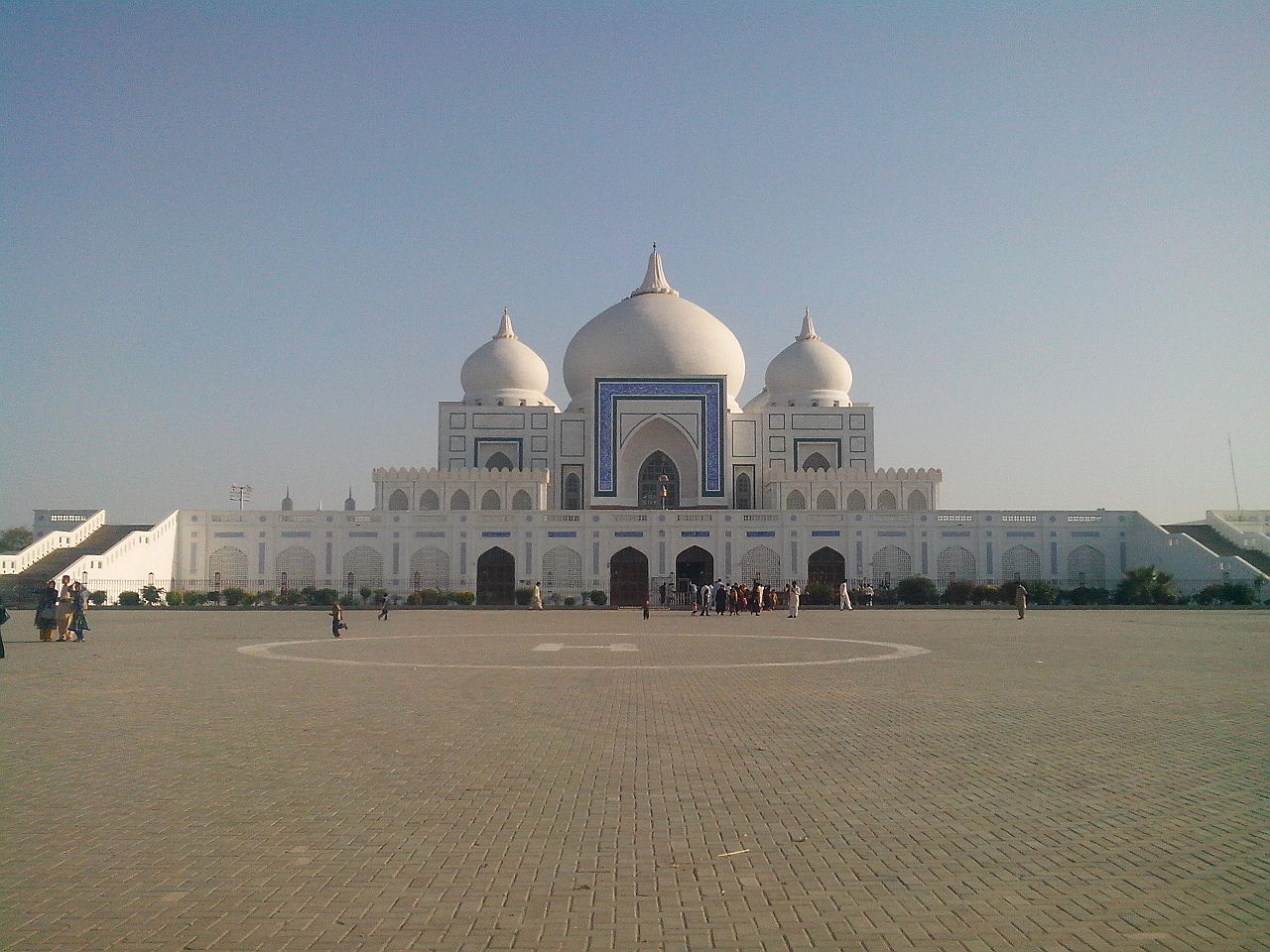
Bhutto's supporters honor him with the term Shaheed—an Urdu word often translated as martyr—and he is often invoked in Pakistani political culture as a symbol of popular leadership. His family remained active in politics: he was married to Nusrat Bhutto, and his elder daughter Benazir Bhutto later served twice as Prime Minister. Two sons and another daughter were also part of his immediate family and political narrative. The PPP endured as a major political force in Pakistan, carrying his name and program into subsequent decades and debates about democracy, social policy and civilian authority.
Bhutto's life and death continue to provoke historical study and public debate. He is remembered for the scale of his ambitions to transform Pakistan's institutions and economy, as well as for the controversies that accompanied his methods and ultimate fate. For further reading on his policies, trial and the party he founded, consult dedicated political histories and archival material that examine both the achievements and the controversies of his tenure.
Author
AlegsaOnline.com Zulfiqar Ali Bhutto: Pakistani leader, founder of the PPP, and polarizing statesman Leandro Alegsa
URL: https://en.alegsaonline.com/art/133346