
Askar Akayev — First President of Kyrgyzstan (1990–2005)
Askar Akayev (born 1944) is a Kyrgyz physicist and politician who served as Kyrgyzstan’s first president from 1990 to 2005; initially a reformer, his later years in office drew controversy and he was ousted in 2005.
Overview
Askar Akayevich Akayev (born 10 November 1944) is a Kyrgyz academic and statesman who served as the first head of state of independent Kyrgyzstan. Trained as a scientist and known early in his career for academic work, he entered politics during the final years of the Soviet Union and became president in 1990. His long tenure combined early reform efforts with later controversies over governance and elections.
Image gallery
9 Images

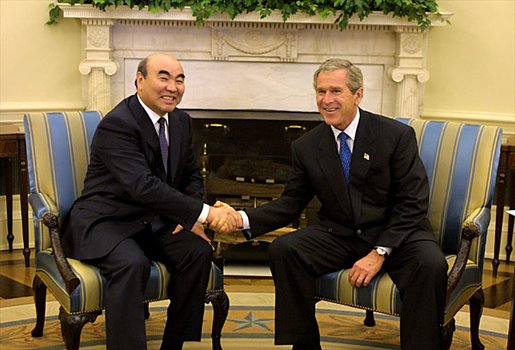


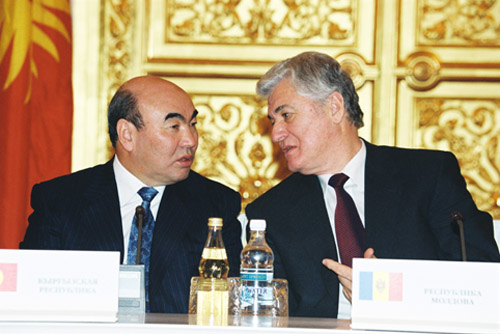


Background and early career
Akayev established a reputation as an educator and researcher before turning to public office. He was regarded as a non‑partisan intellectual when he first rose to leadership, an image that helped him gain broad support at the start of Kyrgyzstan’s transition from a Soviet republic to an independent nation. Contemporary accounts emphasize his technical and administrative experience as formative to his style of rule.
Presidency: policies and developments
During his presidency Akayev presided over economic change, moves toward market reforms, and the creation of new institutions for an independent state. Supporters credit his government with navigating the early, difficult years of independence and maintaining relative stability. Critics argue that over time political power became increasingly centralized, and that some elections and appointments were marred by irregularities.
2005 ouster and later life
Growing public discontent culminated in mass protests in March 2005 known as the Tulip Revolution. Faced with large demonstrations, Akayev left office and subsequently lived abroad. His departure marked an important turning point in Kyrgyz politics and inspired renewed debate about democratic transition, accountability, and reform in Central Asia.
Notable facts and legacy
- He is widely described as the country’s first president after the Soviet period and played a central role in early state formation.
- His background was in science and higher education rather than long‑standing party leadership.
- His tenure is often discussed in terms of the balance between early reformist promise and later criticisms over concentration of power.
For further general context about Kyrgyz identity and language see Kyrgyz. For broad biographical or political references consult authoritative sources on regional politicians. Summaries of the office and functions are available under entries for President of Kyrgyzstan, and timelines of his time in office often emphasize the period 27 October 1990 until 24 March 2005.
Tags
Related articles
Author
AlegsaOnline.com Askar Akayev — First President of Kyrgyzstan (1990–2005) Leandro Alegsa
URL: https://en.alegsaonline.com/art/6636