
Benazir Bhutto: Pakistani political leader and two-time prime minister
Overview of Benazir Bhutto (1953–2007), her background, education, political career with the Pakistan Peoples Party, two terms as prime minister, challenges, assassination and lasting legacy.
Benazir Bhutto (21 June 1953 – 27 December 2007) was a prominent Pakistani politician who became the first woman to lead an elected government in a Muslim-majority country. Daughter of Zulfikar Ali Bhutto, a founding leader of the Pakistan Peoples Party, she emerged as a central figure in Pakistan's late 20th-century politics and remained influential until her death.
Image gallery
10 Images


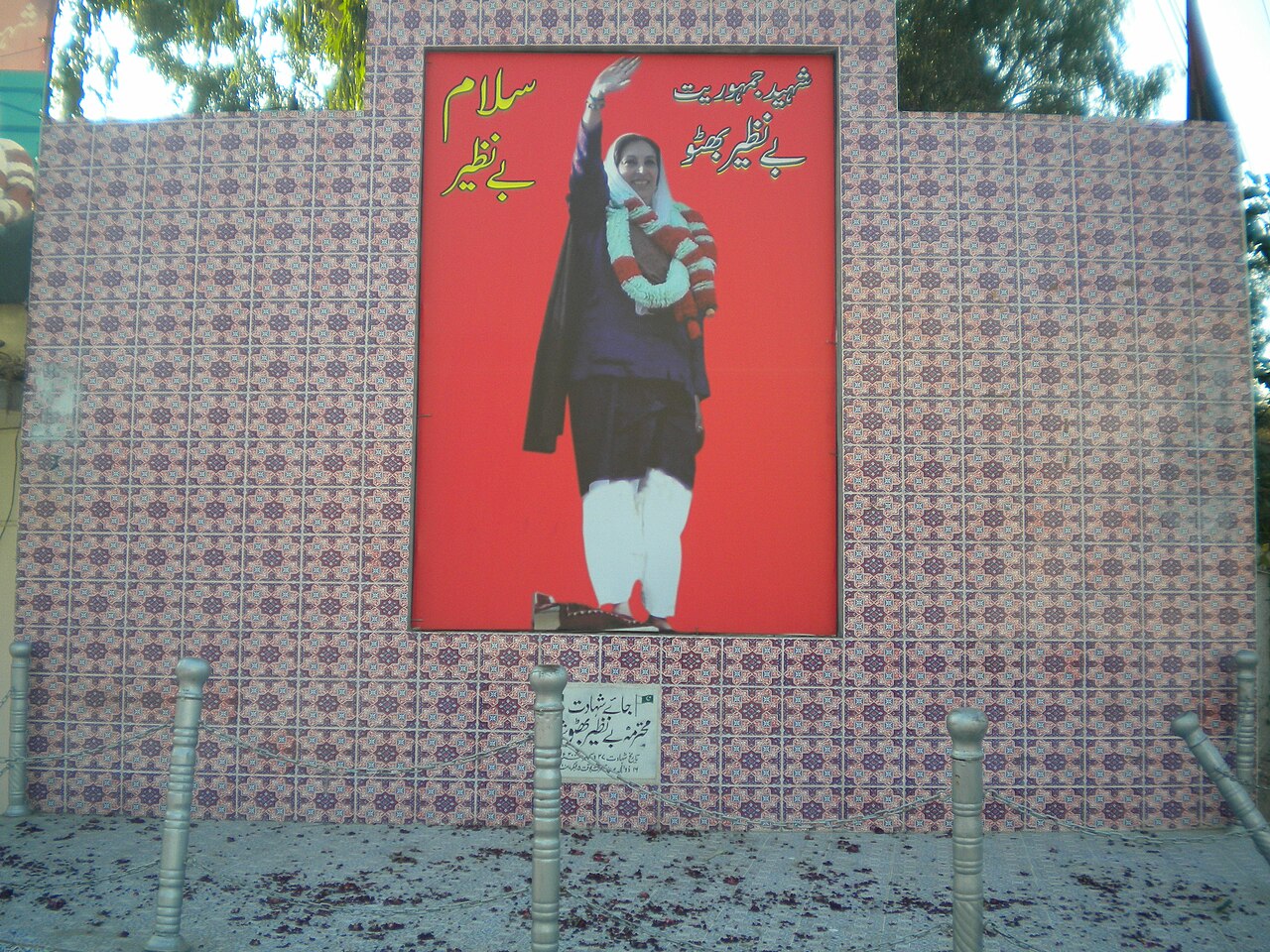

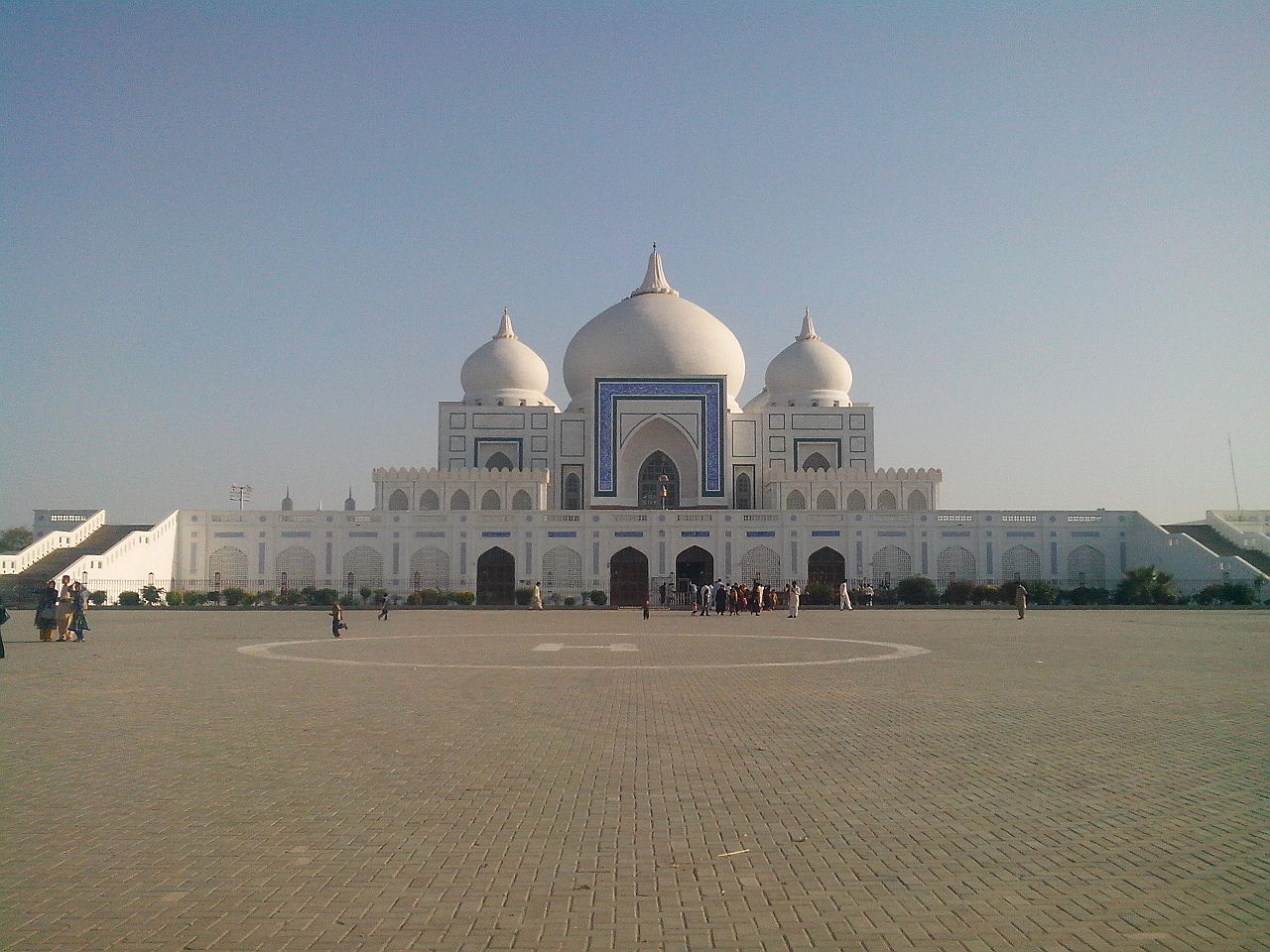

Background and education
Born into a politically active family, Bhutto received education abroad and in Pakistan. She studied at institutions in the United States and the United Kingdom and returned to Pakistan to enter public life. Her international education and family connections helped shape her outlook and public image as a modernizing, secular-minded leader.
Political career and leadership
Bhutto led the Pakistan Peoples Party (PPP) after her father's execution and periods of exile. She served two non-consecutive terms as Prime Minister, from 1988 to 1990 and from 1993 to 1996. Her governments pursued economic and social reforms while confronting entrenched patronage networks, military influence, and political opponents. Her tenure mixed initiatives for modernization with persistent struggles over governance and allegations of corruption that dogged her party.
- Party: Pakistan Peoples Party (PPP) — link: PPP
- Prime ministerial terms: 1988–1990 and 1993–1996
- Notable distinction: first woman to head an elected government in a Muslim-majority state
Bhutto combined populist rhetoric with a vision of greater civil liberties and development. At the same time, her administrations faced legal and political challenges; she spent periods in self-imposed exile and returned repeatedly to contest elections and lead her party.
Assassination and legacy
In December 2007 Bhutto was killed in an attack after a political rally, an event that shocked Pakistan and triggered a wave of political turmoil. Her death intensified debate over security, state responsibility, and the future direction of Pakistani democracy. Bhutto's legacy remains complex: she is remembered as a trailblazing female leader and a symbol of democratic aspirations, while controversies about governance and accountability continue to shape assessments of her record.
For further biographical detail and primary documents about her life and career, see this profile: Benazir Bhutto biography.
Questions and answers
Q: Who was Benazir Bhutto?
A: Benazir Bhutto was a Pakistani politician.
Q: When was Benazir Bhutto born?
A: Benazir Bhutto was born on June 21, 1953.
Q: When did Benazir Bhutto pass away?
A: Benazir Bhutto passed away on December 27, 2007.
Q: What was Benazir Bhutto known for?
A: Benazir Bhutto was known for being a Pakistani politician.
Q: Was Benazir Bhutto a well-known figure in Pakistan?
A: Yes, Benazir Bhutto was a well-known figure in Pakistan.
Q: Did Benazir Bhutto hold any important positions in the Pakistani government?
A: Yes, Benazir Bhutto held important positions in the Pakistani government, including serving as the Prime Minister of Pakistan twice.
Q: Is Benazir Bhutto still alive?
A: No, Benazir Bhutto is not alive. She passed away in 2007.
Related articles
Author
AlegsaOnline.com Benazir Bhutto: Pakistani political leader and two-time prime minister Leandro Alegsa
URL: https://en.alegsaonline.com/art/10465
Sources
- cnn.com : "Benazir Bhutto assassinated"