
Monster movie (creature feature)
A film genre in which humans confront one or more large or extraordinary creatures; spans horror, fantasy and science fiction and includes traditions such as Japan’s kaiju and Western giant-monster films.
A monster movie, also called a creature feature or giant-monster film, is a motion picture in which human characters confront one or more animals, beasts or other extraordinary creatures that threaten people, property or the natural order. These films range from intimate creature horror to city‑sized spectacles and may be realized with practical effects, creature suits, stop‑motion animation, models and miniatures, or modern digital effects. For a general context of cinematic categories see film and movie, and for the familiar emphasis on unusually large antagonists see very large monsters.
Monster films commonly cross genres. When the emphasis is on shock and fear they are grouped with horror. If creatures have mythic, magical or folkloric origins they may be treated as fantasy. When the premise invokes technology, scientists or extraterrestrial causes the film is often classified as science fiction. National and regional traditions shape styles and themes: in Japan, for example, large‑monster cinema is often referred to by the term kaiju, a label that covers a distinctive cycle of films and characters.
Image gallery
2 Images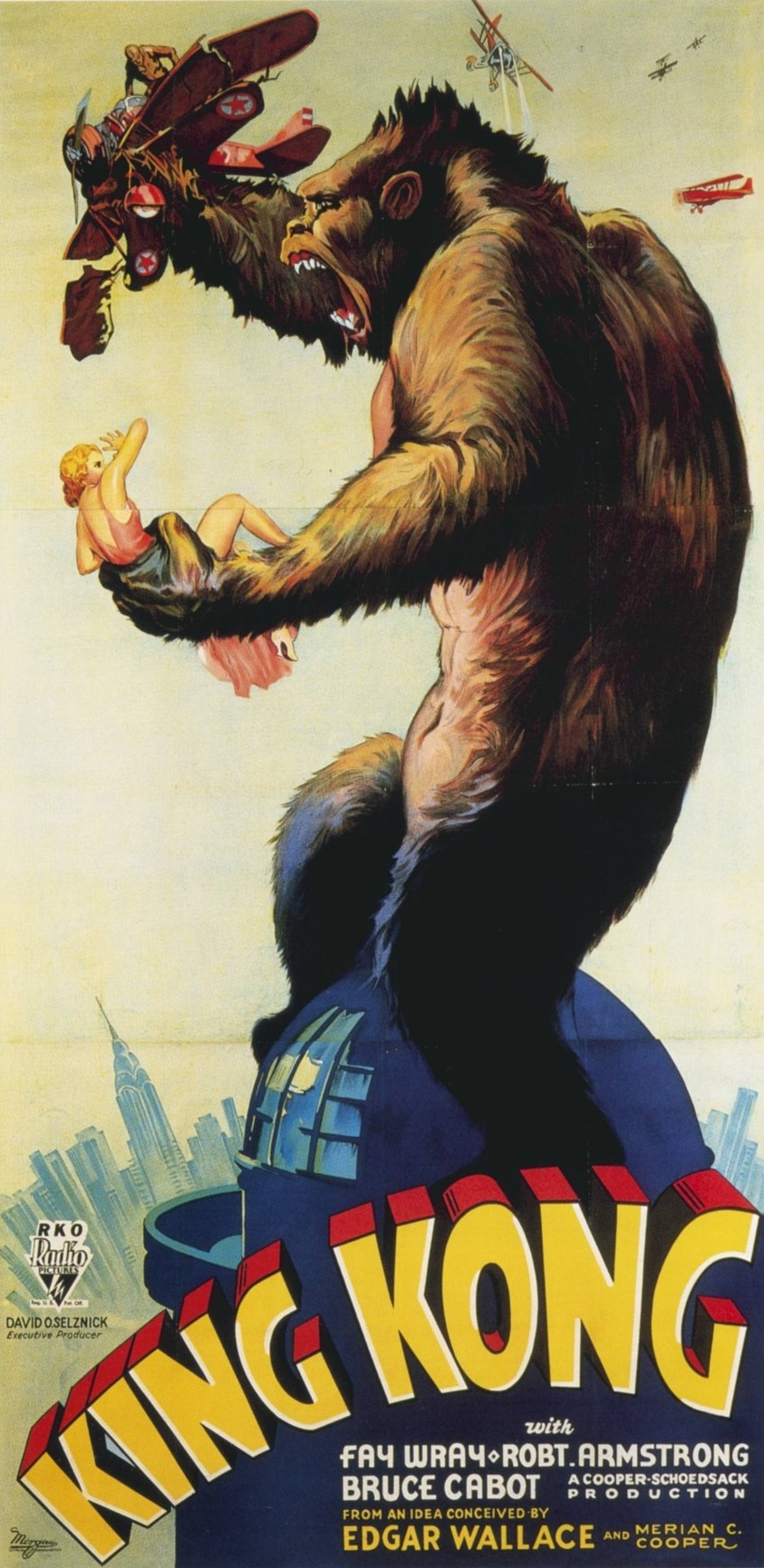

Origins and common causes
- Many stories tie monstrous emergence to human action or environmental change, such as a failed scientific experiment, accidental exposure to radiation, or the disruption caused by habitat destruction.
- Mid‑20th century works often reflected contemporary anxieties; the influential film The Beast from 20,000 Fathoms helped popularize the idea of monsters linked to weapons testing and related fears of nuclear warfare.
- Icons such as Godzilla have combined spectacle with allegory, and have become enduring cultural icons in their home countries and abroad.
Subgenres and themes
Over time the monster movie has branched into subgenres: giant‑monster epics that focus on urban destruction and large‑scale rescue or military response; smaller, tense creature horror that centers on a group trapped with a predator; ecological parables warning about human impact on nature; and science‑driven invasion or alien creature stories. Directors use monsters to explore social anxieties—war, technological hubris, environmental collapse—or to stage moral dilemmas about responsibility and survival.
Production techniques
Early monster films relied on techniques such as suitmation (performers in creature costumes), stop‑motion models, and detailed miniatures to convey scale. With advances in visual effects, filmmakers now combine practical effects with computer‑generated imagery to create more fluid movements and realistic interactions between creatures and environments. Sound design, score and editing also play a vital role in establishing a monster’s presence and the film’s tone.
International traditions and cultural impact
Different national traditions emphasize different aspects of the genre: American films have often highlighted spectacle and disaster elements, while Japanese kaiju films frequently interweave political and cultural commentary with serialized characters and franchising. Monster figures may become transmedia properties—appearing in sequels, television, comics and merchandising—and can serve as shorthand for broader fears or aspirations in popular culture.
Whether offering frightening thrills, satirical commentary or blockbuster entertainment, monster movies remain a durable storytelling form. They allow filmmakers to externalize abstract threats in concrete form, stage moral and tactical responses to crisis, and entertain audiences with imaginative creatures and large‑scale effects. For broader context and related topics see entries on general film history, the horror tradition, and Japan’s national cinema.
Related articles
Author
AlegsaOnline.com Monster movie (creature feature) Leandro Alegsa
URL: https://en.alegsaonline.com/art/66182
Sources
- roberthood.net : "A Potted History of Godzilla"