
Kaiju: Japan's Giant Monsters — Origins, Traits, and Cultural Impact
Kaiju are giant monsters originating in Japanese film and media; this article explains their definition, history, characteristic features, notable examples, and influence on global popular culture.
Overview
Kaiju (literally a Japanese word for "strange creature") refers in modern usage to giant monsters that appear in films, television, comics and other entertainment. The term is commonly used in English to describe enormous, often city‑toppling beasts and is closely associated with a style of Japanese genre filmmaking. Early kaiju stories typically place these creatures into dramatic confrontations with cities, militaries, or other monsters, giving rise to a recognizable set of visual and narrative conventions.
When discussing kaiju it is common to reference the original Japanese term: kaiju, alongside English renderings like "monster" or "giant monster." The films and programs that most often feature kaiju are a branch of special‑effects entertainment known as tokusatsu, a format that emphasizes practical effects, costumes and miniatures. Many of these productions have been produced in Japan and screened across Asia and beyond, while the film medium itself remains central to the genre: see general references to kaiju in movies.
Image gallery
6 Images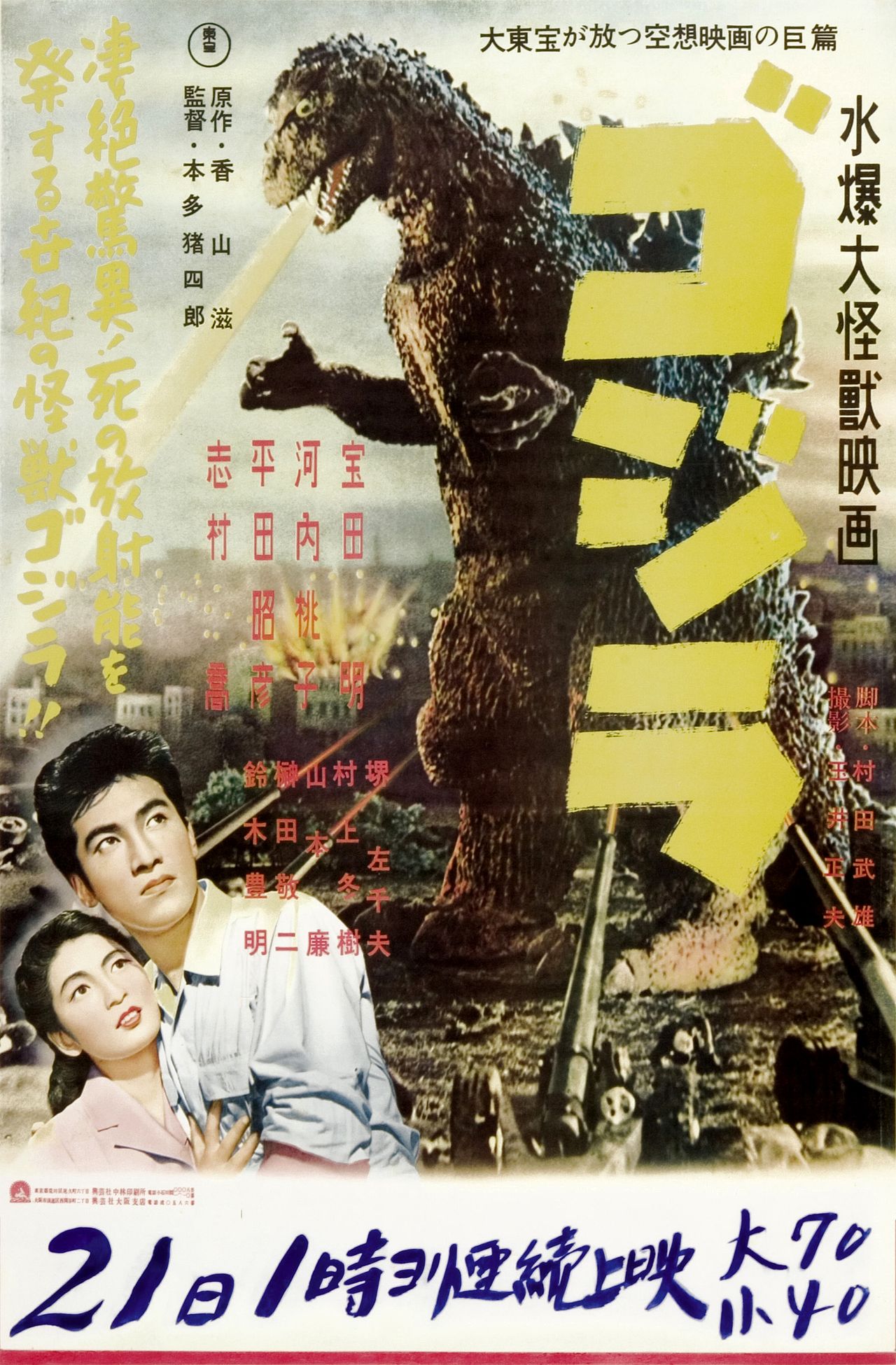




Defining characteristics
Kaiju are commonly characterized by large scale, destructive potential and distinct, often biologically suggestive designs. Typical features include monumental size (frequently dwarfing buildings), abilities such as flight, atomic breath or super strength, and dramatic interactions with human technology. Production techniques historically relied on suitmation (actors in monster suits), miniature sets and pyrotechnics, though contemporary works often blend practical effects with computer imagery.
History and origins
The kaiju genre developed in the mid‑20th century, rising to international prominence after a wave of Japanese films that combined postwar anxieties and spectacular effects. A milestone figure in that development is the creature widely known as Godzilla, whose early appearances established many of the genre's themes and visual tropes. Since that formative period, kaiju have appeared in numerous domestic and international productions and evolved alongside changing special‑effects technologies and audience expectations.
Notable kaiju and examples
- Godzilla — the most internationally recognized kaiju and a flagship figure of the genre.
- Mothra — a giant moth often depicted with a protective or spiritual role.
- King Ghidorah — a multi‑headed dragon and frequent antagonist.
- Mechagodzilla — a mechanical counterpart to biological kaiju.
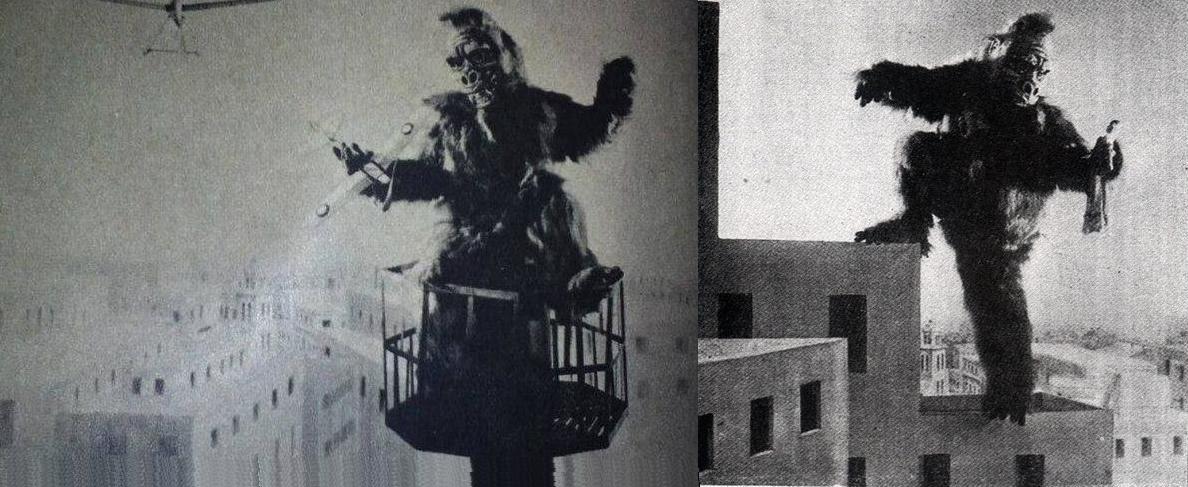
- Rodan — a pterosaur‑like flying monster, and other internationally known creatures such as King Kong appear in crossover contexts.
Other films and regional variants — including non‑Japanese monster movies — have contributed creatures like Gamera and Pulgasari, demonstrating the genre's adaptability across cultures and production scales.
Cultural importance and variants
Kaiju operate on multiple levels: as entertainment, as allegory (for example reflecting environmental concerns or nuclear anxieties), and as a commercial franchise element across toys, comics and cross‑media storytelling. Subcategories and related terms clarify nuance: kaiju eiga typically denotes a kaiju film; daikaiju emphasizes very large monsters; and kaijin refers to humanoid or masked monsters distinct from giant beasts. Modern interpretations range from homage to reinvention, visible in works like large‑scale Hollywood productions and animated series inspired by the original Japanese tradition.
Legacy and notable facts
The kaiju tradition influenced global cinema and genre storytelling, inspiring filmmakers, special‑effects artists and writers. Techniques pioneered in these films — model work, suit acting, and staged destruction — remain celebrated among fans and creators. Contemporary kaiju media continues to reinterpret the form, blending practical craftsmanship with digital effects while preserving the elemental spectacle of colossal creatures confronting human civilization.
Related articles
Author
AlegsaOnline.com Kaiju: Japan's Giant Monsters — Origins, Traits, and Cultural Impact Leandro Alegsa
URL: https://en.alegsaonline.com/art/51899