
Monty Python and the Holy Grail
A concise encyclopedia entry on the British comedy film Monty Python and the Holy Grail, its style, production background, key scenes, cultural impact and later adaptations.
Monty Python and the Holy Grail is a British surreal comedy film created by the comedy troupe Monty Python. Conceived and largely written by the group's members, it was produced in the mid-1970s and quickly became a defining work of British comic cinema. The film blends anachronistic jokes, absurdist sketches and low-budget visual gags to retell a highly irreverent version of the Arthurian legend.
Image gallery
6 Images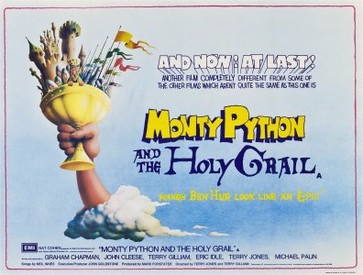



Style and content
The film’s humour relies on wordplay, abrupt scene changes, and deliberate breaking of narrative conventions. Scenes vary from improvisational exchanges to tightly scripted set pieces. Visual decisions—such as the famous use of coconut halves in place of horses—highlight the film’s playful self-awareness about budget and theatricality. Recurrent motifs include mock-serious narration, deliberately crude special effects, and meta-jokes that comment on story structure.
Production and creators
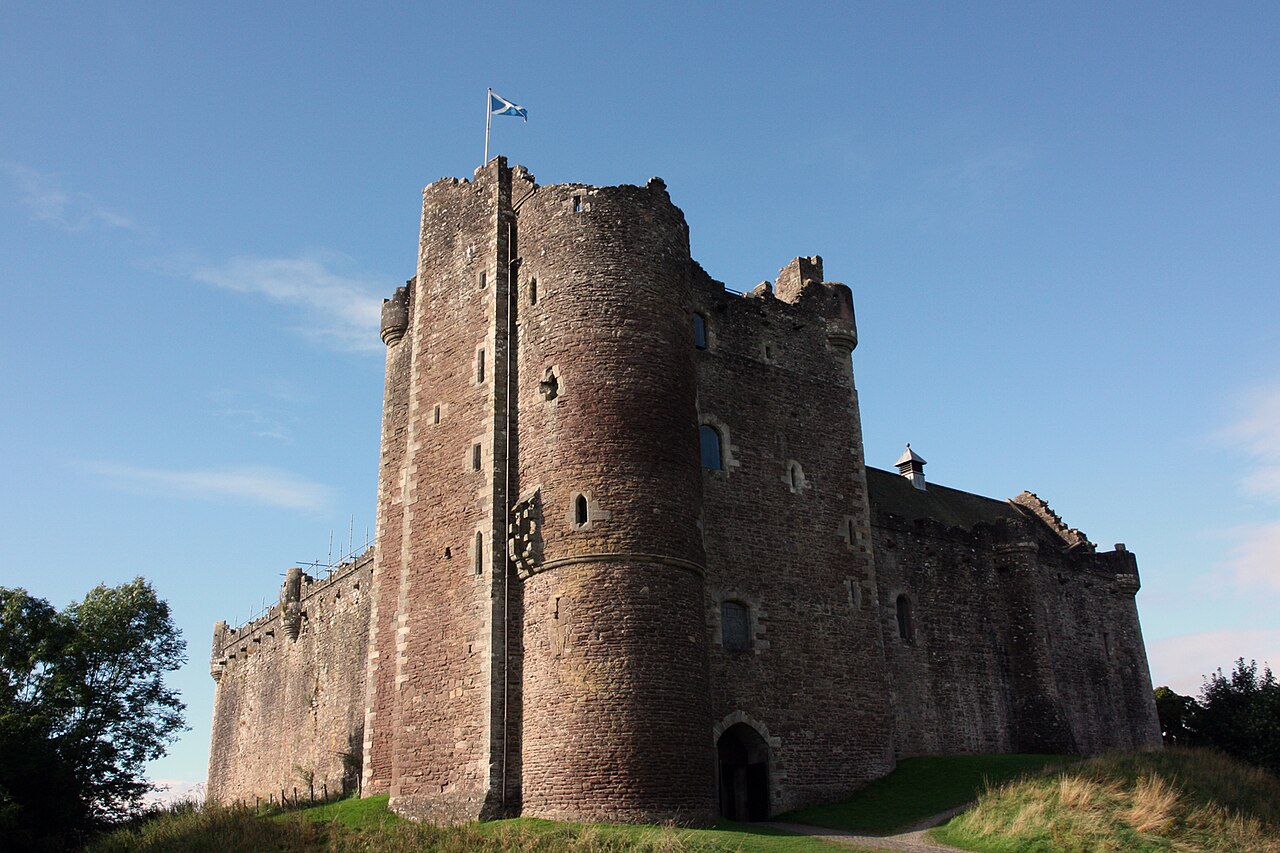
Written and performed by the members of the troupe, the movie was produced on a modest budget and shot at a mix of studio and location sites in the United Kingdom. The group’s collaborative approach distributed writing and acting duties among the members, producing a patchwork of styles unified by shared sensibilities: irreverence, absurdism and a fondness for parody.
Notable scenes and characters
- King Arthur and his knights on a quest for the Holy Grail, encountering increasingly absurd obstacles.
- The Black Knight, whose exaggerated refusal to concede after losing limbs has become an oft-cited example of dark physical comedy.
- Sketch-like interruptions—such as bureaucratic interrogations or musical detours—that deflate epic expectations.
Reception and legacy
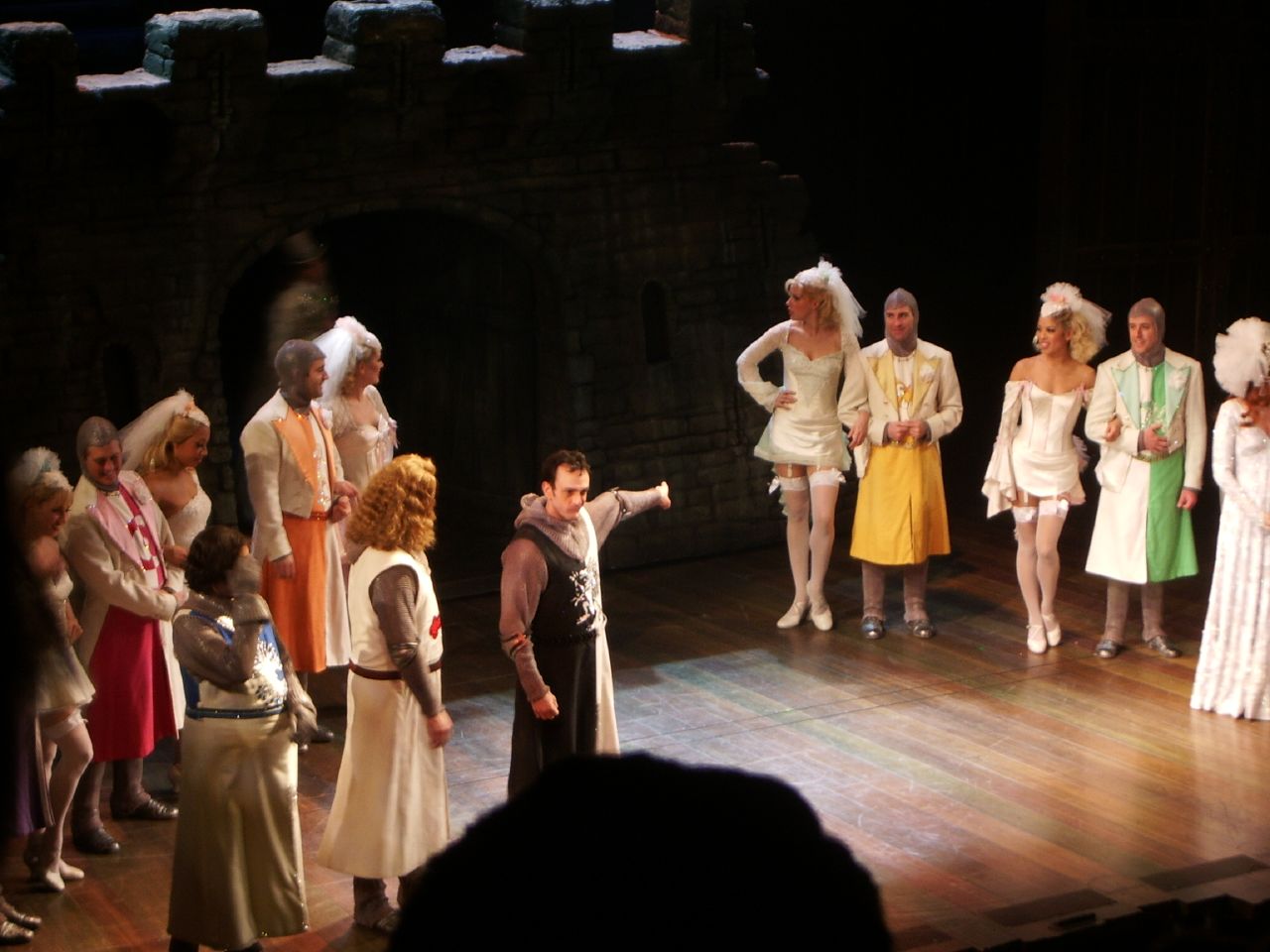
Upon release the film found both popular and critical success, growing into a cult favourite with enduring quotability. Its influence is visible in later satire and alternative comedy, and several scenes have entered popular culture as shorthand for surreal or deadpan humour. The film was also adapted into the stage musical Spamalot, which reworked characters and episodes for live theatre and introduced the story to new audiences.
Significance
Monty Python and the Holy Grail is often cited as a milestone in comic filmmaking for its willingness to subvert narrative expectations and mix theatrical devices with cinematic form. It remains studied for how low-budget constraints can be turned into creative stylistic choices, and for demonstrating the impact a small, collaborative ensemble can have on film comedy.
Related articles
Author
AlegsaOnline.com Monty Python and the Holy Grail Leandro Alegsa
URL: https://en.alegsaonline.com/art/66512