
Monroe County, Iowa
Monroe County, Iowa, is a largely rural county founded in 1843 with county seat Albia. Named for President James Monroe, it had 7,970 residents in 2010 and is shaped by agriculture, local government, and small communities.
Overview
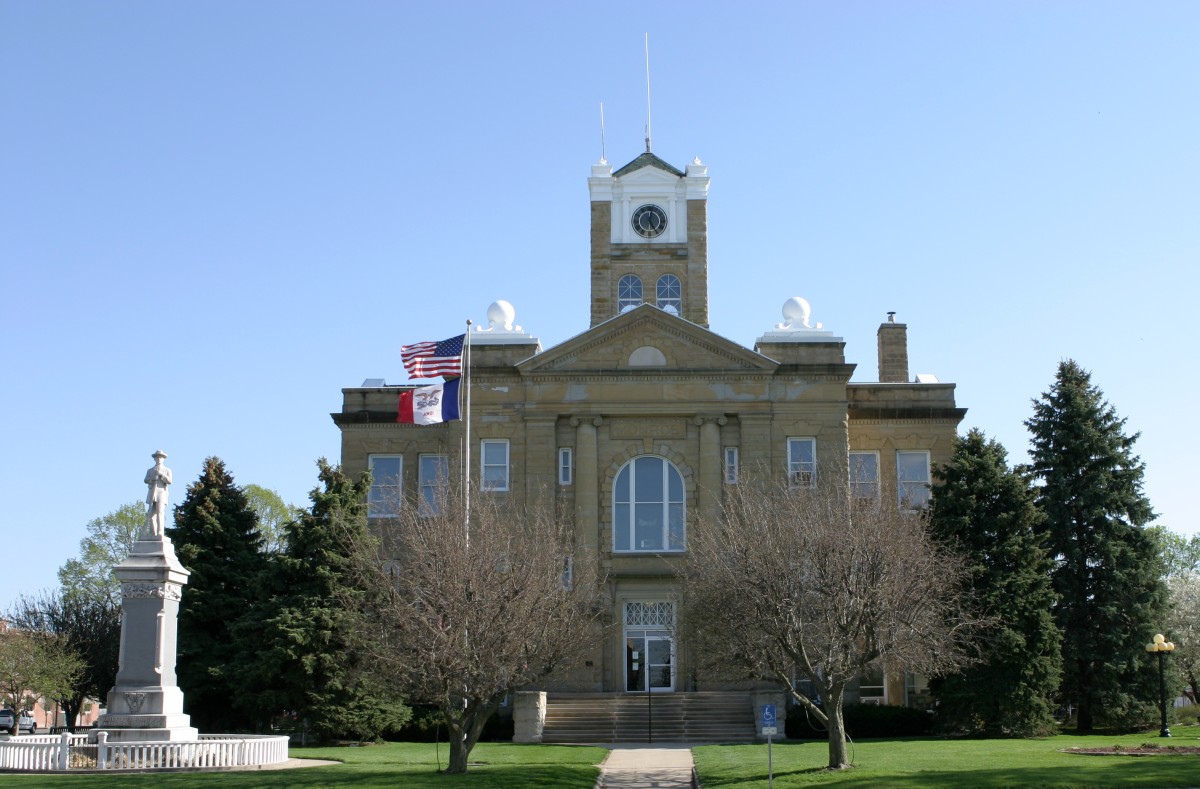
Monroe County is a county in the U.S. state of Iowa. It is primarily rural, with farming and small-town life characterizing much of its economy and landscape. According to the 2010 census, the county's population was 7,970. The county seat and largest town is Albia, commonly referenced in local government and community life as Albia.
Image gallery
3 Images

History and name
Monroe County was established in 1843 during a period of rapid organization of counties in Iowa Territory. It was named in honor of James Monroe, the fifth President of the United States. Settlement in the county followed mid-19th-century migration patterns in the Midwest, with agriculture becoming the dominant mode of livelihood.
Geography and demographics
The county consists of a mix of farmland, small towns and rural residences. Population density is low compared with urban counties; communities tend to be spread across townships and small incorporated places. Demographic changes since 2010 reflect trends common to many rural Midwestern counties, including aging populations and occasional population decline as younger residents move to larger urban centers.
Economy, government, and communities
Agriculture — especially row crops and livestock — plays a central role in the local economy, supported by small businesses, local services and light manufacturing. County government is based in Albia, which houses the courthouse and administrative offices. Local services include public schools, volunteer fire departments and county-maintained roads.
Notable facts and context
- Founded: 1843; named for President James Monroe.
- County seat: Albia, the center for civic affairs.
- Population reference: 2010 census figure of 7,970.
Monroe County is representative of many rural Iowa counties: historically agricultural, centered on small towns, and sustained by local institutions. For further civic or historical details, local government offices and regional historical societies provide records and resources.
Related articles
Author
AlegsaOnline.com Monroe County, Iowa Leandro Alegsa
URL: https://en.alegsaonline.com/art/66141