
Mont Aigoual — a mountain of the Cévennes in the Massif Central, France
Mont Aigoual is a prominent peak in the Cévennes (Massif Central, southern France) known for its meteorological observatory, exposed weather, panoramic views and varied upland habitats.
Overview
Mont Aigoual (Occitan: Mount Augal) is a prominent summit in the Massif Central lying in the southern range known as the Cévennes. It is located in France, within the administrative Occitanie region, and occupies the boundary between the departments of Lozère and Gard. Mont Aigoual is the highest point of the Gard department and a well‑known landmark for both science and recreation.
Image gallery
8 Images
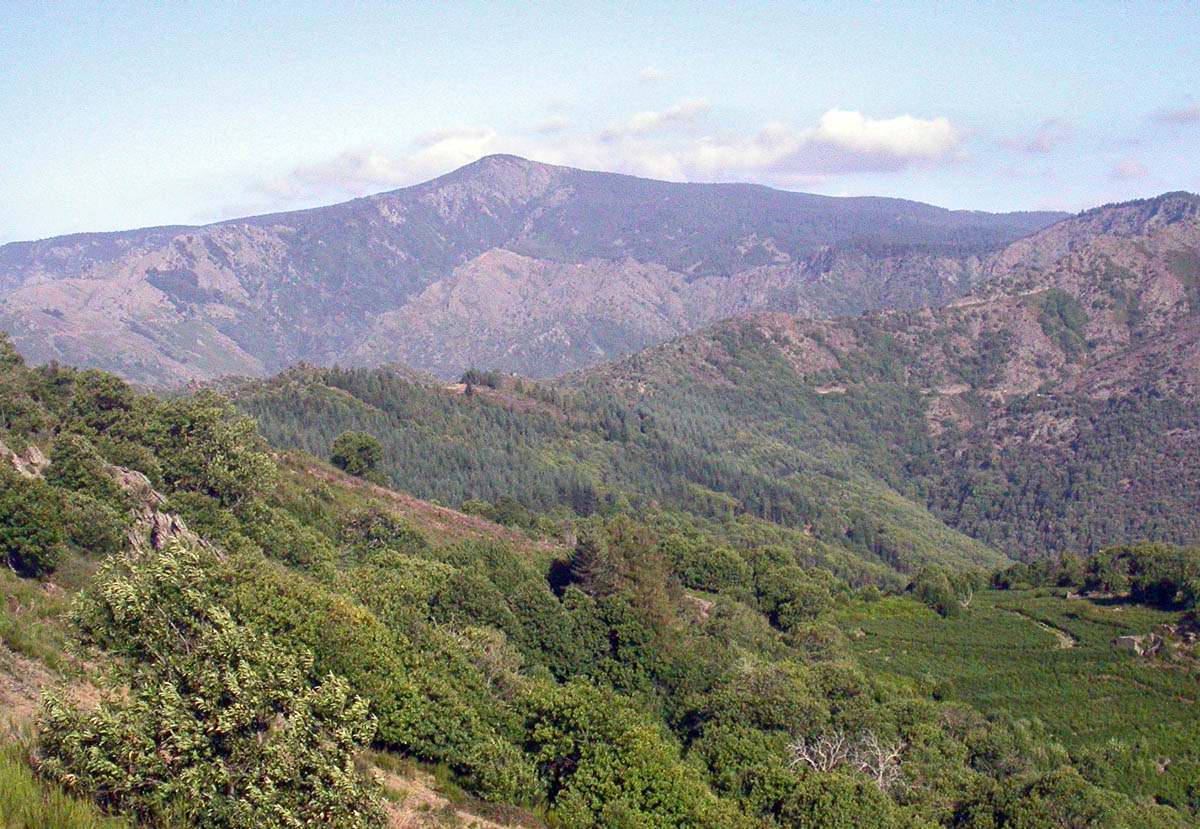


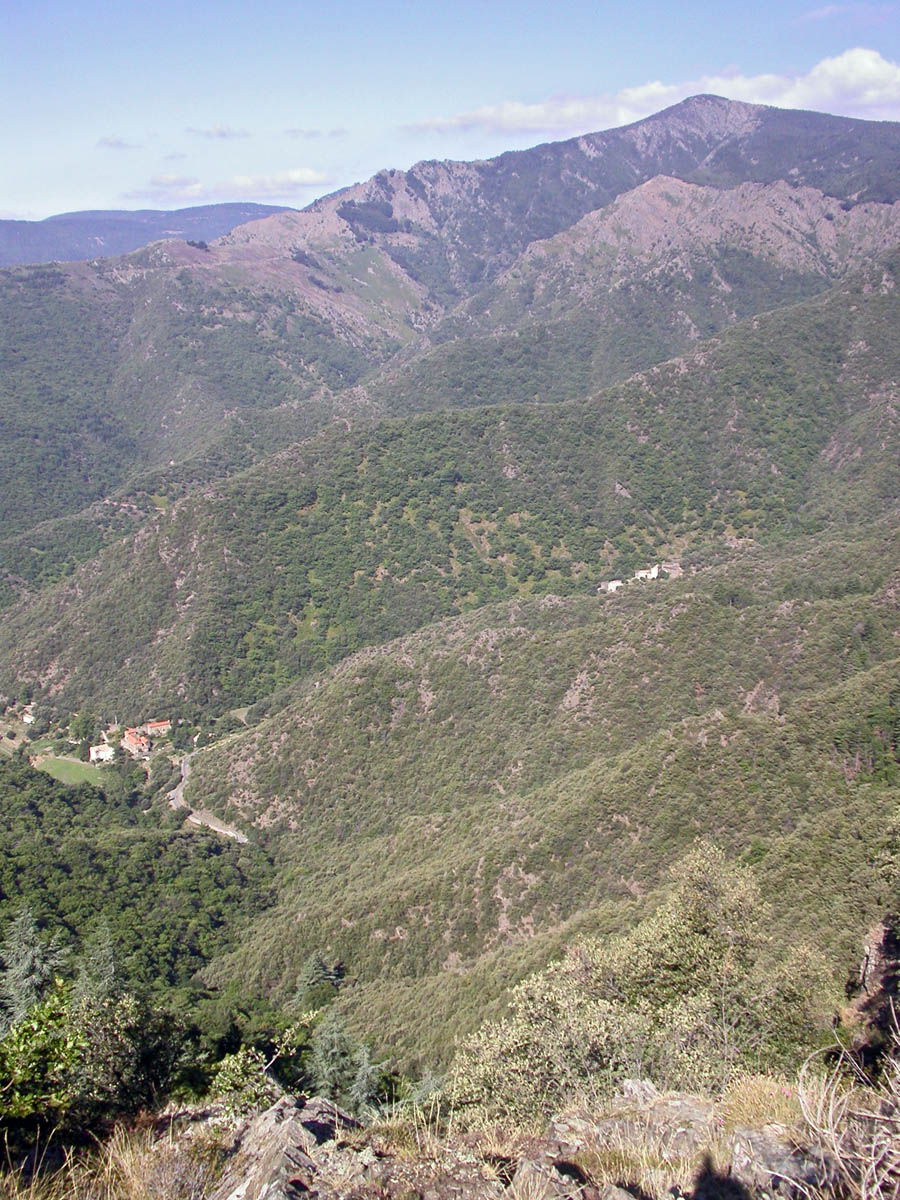
Geology and landscape
The mountain rises from terrain shaped by the ancient structures of the Massif Central. Its summit ridge and surrounding slopes carry a mixture of rocky outcrops, grassland pastures and patches of montane woodland. The altitude and exposure create a landscape that contrasts with lower Mediterranean foothills: soils are often shallow and weathered, and the topography favours open, windswept habitats used historically for summer grazing.
Climate and the observatory
Mont Aigoual is notable for an exposed summit climate influenced by Atlantic, continental and Mediterranean air masses. Strong winds, rapid changes of weather and frequent cloud or fog are characteristic. A permanent meteorological observatory established in the late 19th century remains in operation, making long‑term records of temperature, precipitation and wind that are important to regional forecasting and climatological study. On very clear days observers on the summit can see the Mediterranean Sea, the Pyrenees and the distant Alps, including Mont Blanc as a distinct point on the horizon.
Flora and fauna
The mountain supports a mosaic of plant communities: upland grassland and heath on the most exposed ground, mixed deciduous and coniferous woodland at lower elevations, and wet flushes or peat‑forming areas in hollows. These habitats sustain insects, birds and mammals adapted to cooler, wetter upland conditions; traditional grazing has helped maintain the open habitats that many species require.
Human use, access and recreation
Mont Aigoual is a destination for hikers, naturalists and visitors interested in mountain weather. A network of trails and a road provide access to viewpoints and the observatory; seasonal visitor services and guided walks are offered locally. The surrounding countryside combines conservation aims with extensive pastoral agriculture and village communities that maintain regional traditions.
Conservation and cultural significance
The mountain lies within a landscape valued for both natural and cultural heritage. Land management seeks a balance between biodiversity, scenic quality and agricultural use. Mont Aigoual’s observatory and its long meteorological series contribute to the cultural identity of the area as a place where weather, language and rural life intersect.
Further information and related topics
- Administrative context: region, departments.
- Geographical context: Massif Central, mountains.
- Nearby and distant landmarks that may be visible from the summit: Mediterranean, Pyrenees, Alps, Mont Blanc.
- Local places and administrations: Lozère, Gard.
- Linguistic and cultural note: the regional Occitan name is recorded as Mount Augal.
- General reference: France.
For practical details on access, seasonal conditions and organised visits consult local visitor centres and regional guides; scientific publications and the observatory provide authoritative climate data for those seeking more technical information.
Questions and answers
Q: What is Mont Aigoual?
A: Mont Aigoual is a French mountain in the Cévennes, a southern part of the Massif Central.
Q: What is the Occitanie region?
A: The Occitanie region is a region in southern France.
Q: What departments is Mont Aigoual on the border of?
A: Mont Aigoual is on the border of the Lozère and Gard departments.
Q: What is the highest mountain of Gard?
A: Mont Aigoual is the highest mountain of Gard.
Q: What can be seen from Mont Aigoual when the sky is clear?
A: When the sky is clear, it is possible to see the Mediterranean Sea, the Pyrenees, and also the Alps and Mont Blanc in particular.
Q: What language is the name Mont Aigoual in?
A: The Occitan name for Mont Aigoual is Mount Augal.
Q: In what mountain range is the Cévennes located?
A: The Cévennes is located in the Massif Central, a mountain range in France.
Related articles
Author
AlegsaOnline.com Mont Aigoual — a mountain of the Cévennes in the Massif Central, France Leandro Alegsa
URL: https://en.alegsaonline.com/art/66193
Sources
- peakbagger.com : "Mont Aigoual, France"
- gallica.bnf.fr : "La forêt de l'Aigoual et l'origine de ce toponyme"
- meteoferrals.fr : "Météo - Observatoire du Mont Aigoual"
- meteofrance.com : "Données climatiques de la station de Mont Aigoual"