
Monopoly (economics) — definition, causes, effects, and regulation
A monopoly is a market structure in which a single supplier dominates. This article explains its characteristics, how it forms, economic effects, measurement, common examples and regulatory responses.
Overview
A monopoly exists when a product or service in a defined market is supplied by a single firm that can exert substantial control over price and output. The term traces to Greek roots — monos (one) and polein (to sell) — and in economic analysis denotes an absence of effective competition. Regulators and courts typically identify a monopoly by a firm’s market power: the ability to raise prices profitably above competitive levels without losing all customers.
Image gallery
2 Images
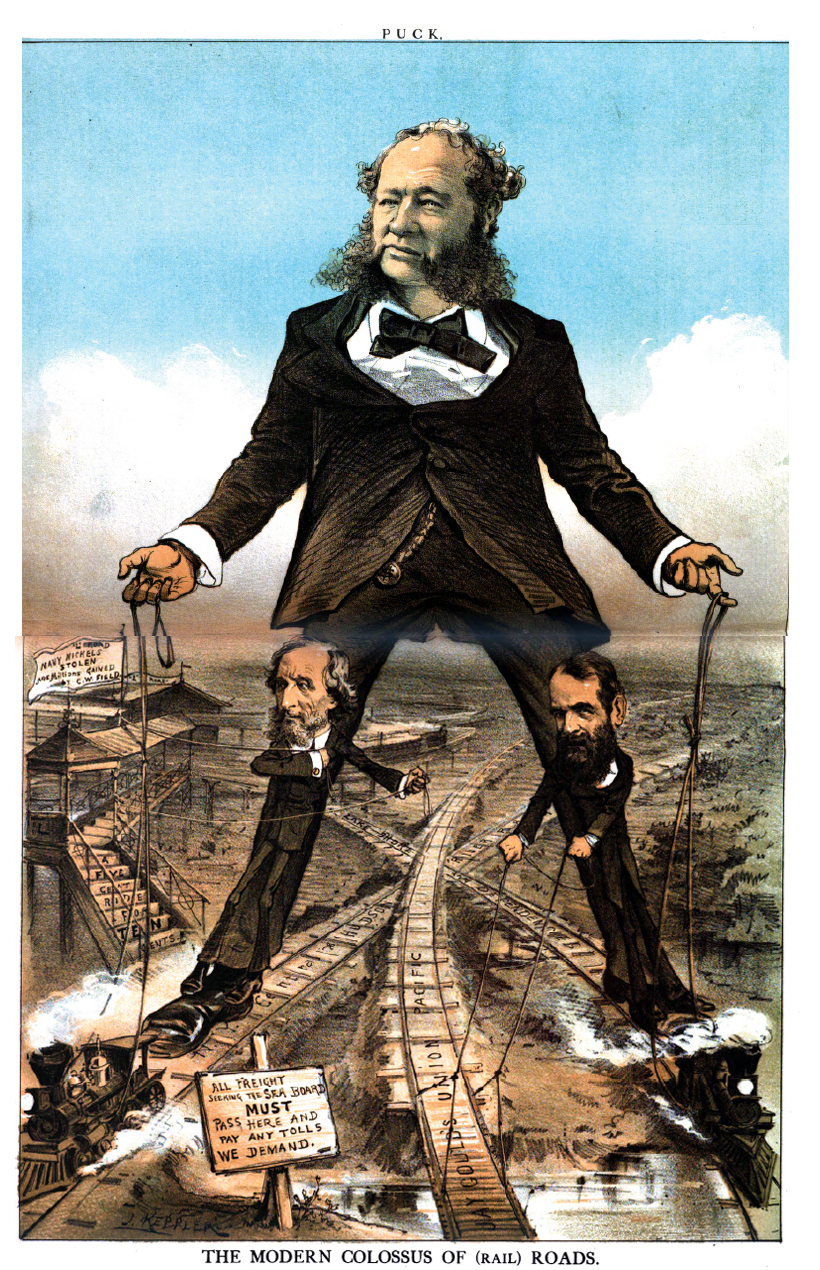
Definition and types
In economic theory, a monopoly is a market structure with a single producer. In legal and policy contexts, the focus is on market power and conduct rather than absolute size. Common types include:
- Natural monopoly: Occurs when large economies of scale mean a single firm can serve the whole market at lower cost than multiple rivals. See natural monopoly.
- Government-granted monopoly: Where law or regulation gives exclusive rights to a firm or public entity to supply a good or service.
- Coercive or de facto monopoly: Achieved through control of essential inputs, exclusive contracts, or exclusionary practices that deter entrants.
How monopolies form
Monopolies arise from barriers that prevent effective entry by other firms. These barriers can be structural (large sunk costs and infrastructure requirements), legal (patents, exclusive franchises), strategic (predatory pricing or long-term contracts), or technological (unique processes or strong network effects). Markets where consumers lack close alternatives are particularly prone to monopoly power; for example, local provision of certain utilities often required costly infrastructure, which historically made competing networks for services such as telephone and cable television impractical.
Key characteristics and barriers
- Price-making ability: A monopolist chooses output and thus influences the market price.
- Persistent barriers to entry: High fixed costs, exclusive rights, or resource control discourage newcomers.
- No close substitutes: Consumers cannot easily switch to alternative goods.
- Network effects: The value of a service may rise with the number of users, reinforcing dominance.
Economic effects
Monopolies can reduce consumer welfare by charging prices above marginal cost, producing less than the socially efficient output, and creating deadweight loss. They may also generate allocative inefficiency and encourage rent-seeking behaviour that diverts resources into protecting market position rather than improving products or reducing costs. Conversely, natural monopolies can sometimes deliver lower average costs through scale; the policy challenge is to capture the benefits of scale while limiting the harm from market power.
Measurement and evidence
Market power is measured with tools such as market shares, concentration ratios, the Herfindahl-Hirschman Index (HHI) and the Lerner index (price-cost margin). Evidence of monopoly power includes sustained price markups, barriers to entry, foreclosure of rivals, and lack of innovation. Historical examples frequently cited in policy discussions include large integrated firms that once dominated oil refining and mass telephone service; these cases inform modern antitrust practice and enforcement priorities.
Regulation, remedies and public policy
Governments use several instruments to address monopoly problems: competition (antitrust) law to block anticompetitive mergers and practices, price regulation (rate-of-return or price-cap regulation) for utilities, licensing and franchise arrangements, and public ownership in some sectors. Enforcement aims to prevent abuse of dominance, promote entry and innovation, and protect consumers. Many jurisdictions, including the United States, maintain bodies and statutes to detect and remedy anticompetitive conduct.
Contemporary issues
New questions arise with digital platforms and data-driven markets where network effects, multi-sided platforms and control of data can create persistent dominance. Policymakers debate whether traditional tools are sufficient or whether novel approaches are needed to preserve competition in rapidly changing industries.
Distinctions and concluding notes
Monopoly should be distinguished from related concepts: an oligopoly is a market dominated by a few firms; a monopsony refers to a single buyer. Legal findings depend on market definition and evidence of exclusionary conduct, not solely on firm size. Understanding monopolies is central to designing regulation that balances efficiency gains from scale against the risks of concentrated market power.
Further reading and related topics: single supplier concept, market definition, competition, natural monopoly, utilities, telephone networks, cable systems, infrastructure costs, etymology, U.S. competition law.
Related articles
Author
AlegsaOnline.com Monopoly (economics) — definition, causes, effects, and regulation Leandro Alegsa
URL: https://en.alegsaonline.com/art/66123
Sources
- commons.wikimedia.org : Monopoly (economics)
- simple.wiktionary.org : monopoly