
Monastery of Santa Maria de Ripoll — Romanesque monastery in Catalonia
A Benedictine monastery in Ripoll, Catalonia, celebrated for its Romanesque architecture and richly sculpted western portico; an important medieval centre of worship, learning and Catalan heritage.
The Monastery of Santa Maria de Ripoll is a historic Benedictine monastery in the town of Ripoll in Catalonia, Spain. Founded in the early Middle Ages and rebuilt in the Romanesque manner, the complex is best known for its elaborate western portico, significant medieval sculpture and long role as a regional religious and cultural centre.
Image gallery
5 Images


Origins and historical role
Local tradition attributes the monastery's foundation to Count Guifré el Pilós (Wilfred the Hair) in the late ninth century, and documentary traces indicate an early medieval origin. Over several centuries the house grew in wealth and influence: it served liturgical functions, administered lands, and housed a scriptorium and library that copied, preserved and disseminated religious and administrative texts for the surrounding counties.
Destruction and restoration
Like many Spanish religious institutions the monastery underwent cycles of damage, particularly during the anti-clerical unrest and secular confiscations of the early 19th century, which caused heavy loss of original fabric and archives. Substantial 19th-century reconstruction and later conservation work sought to restore the church and the sculptured portico to their Romanesque appearance while stabilizing surviving medieval elements.
Architecture and sculpture
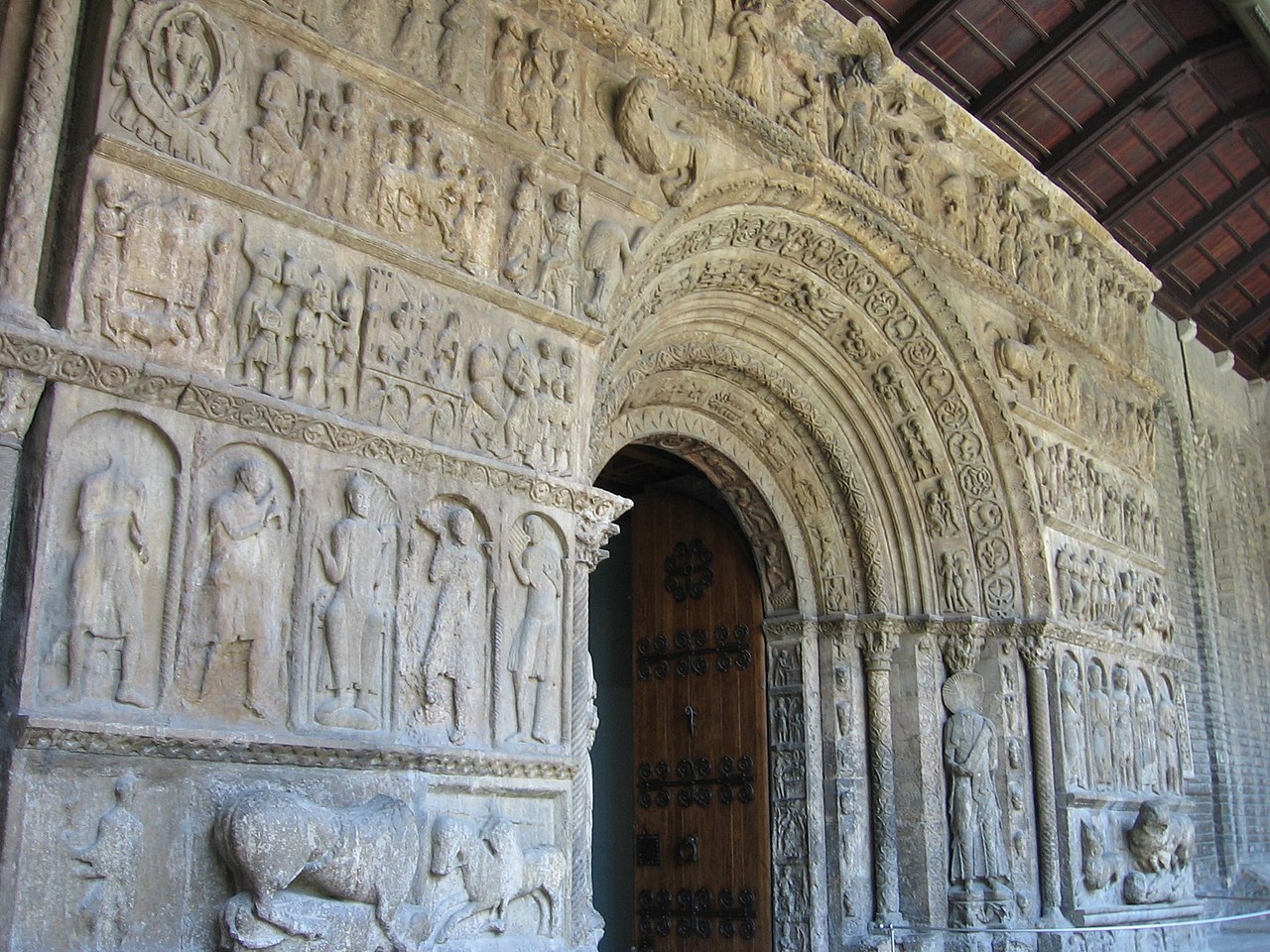
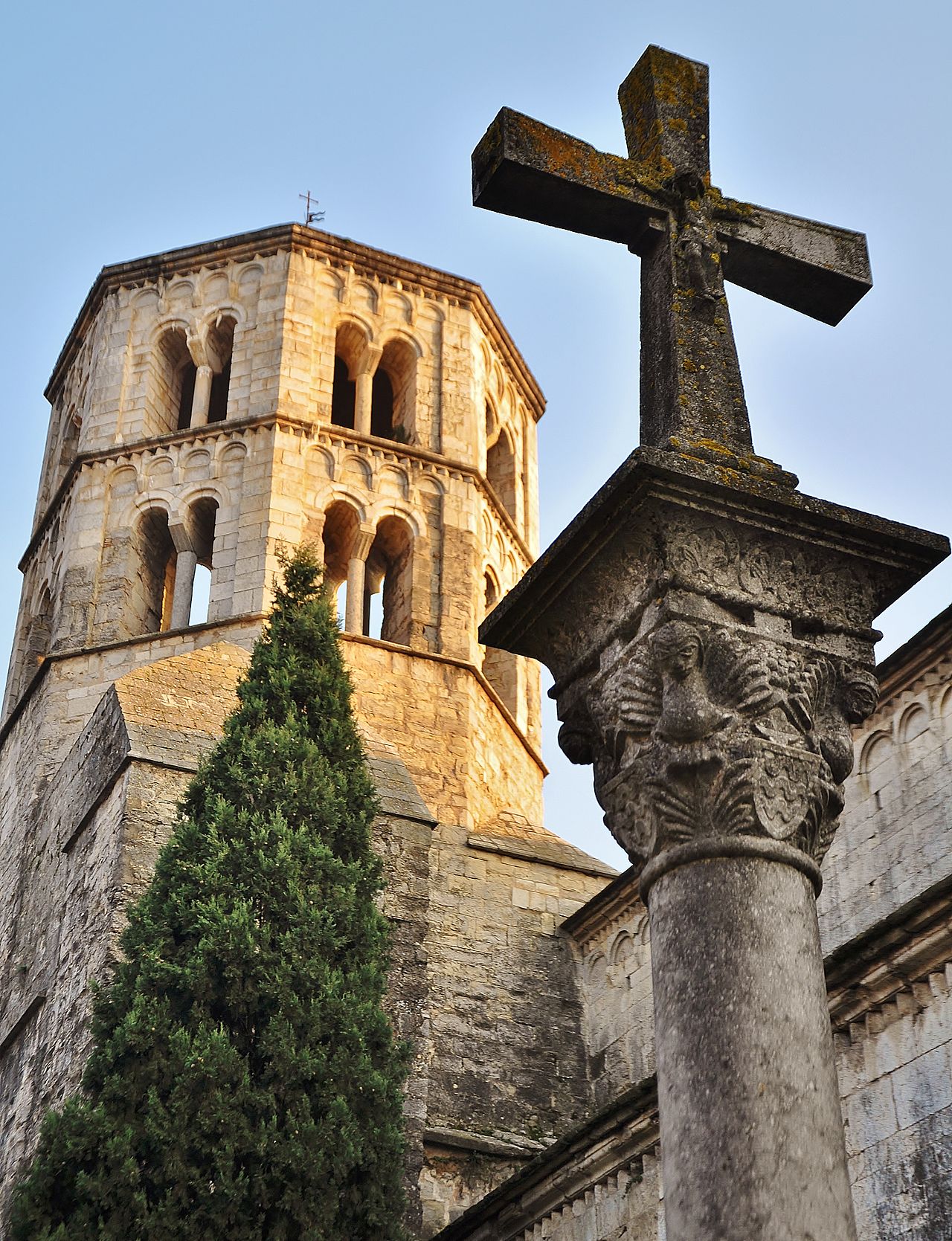
The church exemplifies Romanesque design: massive stone walls, rounded arches and a compact, monumental quality characteristic of the style. The celebrated western portico contains a richly carved tympanum, multiple archivolts and capitals decorated with biblical scenes, saints, animals and vegetal motifs. Scholars and visitors often cite these sculptures as among the finest expressions of Catalan Romanesque art and narrative stone carving.
- Western portico: sculptured archivolts and a narrative tympanum
- Capitals and reliefs: figurative and symbolic motifs in stone
- Cloister and monastic buildings: communal spaces for liturgy and daily life
- Manuscript tradition: medieval scriptorium and important library holdings
Artistic and cultural importance
The monastery's decorative program served didactic and devotional purposes, communicating biblical stories and moral themes to medieval worshippers. Its monastic community contributed to the religious, intellectual and social life of the region, and its artistic legacy has attracted sustained scholarly interest in Romanesque sculpture and Iberian medieval art. For broader context on its style see general treatments of Romanesque art and architecture.
Present use, conservation and access
Today the site functions as an active place of worship, a heritage monument and a destination for those studying medieval art and architecture. Conservation projects, guided interpretation and museum displays help protect the stonework and explain the site's history to visitors. The monastery continues to be a focal point for cultural events and research into medieval Catalonia.
Recognition
Owing to its historical depth, architectural quality and sculptural richness, the Monastery of Santa Maria de Ripoll has received local and national recognition. It was among the one hundred finalists in the 2007 contest for the 12 Treasures of Spain, and it figures prominently in regional studies of medieval monasticism and Catalan heritage.
Readers seeking further information can consult general introductions to Benedictine monasticism and regional guides to Ripoll and Catalonia. Local archives and museum catalogues provide more detailed studies of the monastery's manuscripts, sculptures and architectural phases, and the site itself offers on‑site interpretation for visitors exploring its Romanesque art and history in Spain.
Related articles
Author
AlegsaOnline.com Monastery of Santa Maria de Ripoll — Romanesque monastery in Catalonia Leandro Alegsa
URL: https://en.alegsaonline.com/art/65962
Sources
- sobreturismo.es : "Lista de 100 finalistas de Nuestros 12 Tesoros de España"