
Monkwearmouth–Jarrow Abbey
Twin Anglo-Saxon monasteries founded by Benedict Biscop that formed one scholarly community; noted for early stone churches, manuscript production, Bede’s writings, and later heritage recognition.
Monkwearmouth–Jarrow was a paired monastic foundation in northeastern England, organised as a single community in the late 7th century. Founded and endowed by the churchman Benedict Biscop, the two houses—commonly called Monkwearmouth and Jarrow—became one of the chief centres of learning, liturgy and book production in Anglo-Saxon England. The scholar Bede lived, studied and taught at the twin monasteries, producing works that later made the houses famous across Europe.
Image gallery
6 Images


Foundations and organisation
Monkwearmouth was established first and Jarrow added soon afterwards; the two were governed as a single monastic community that shared clergy, manuscripts and resources. Biscop recruited masons, glaziers and artisans from the Continent and introduced Roman liturgical and building practices, shaping the houses’ distinctive Anglo-Roman character. More detailed local histories and site descriptions appear under the entries for Monkwearmouth and Jarrow.
Architecture and material culture
Unlike many early English religious sites that used timber, both foundations are notable for early and substantial stone churches and associated buildings. Surviving fabric and archaeological remains show church plans, masonry techniques and evidence for glass and metalworking in the monastic workshops. Elements of the original church structures survive and in part continue in ecclesiastical use, giving rare continuity with the Anglo-Saxon period.
Library, manuscripts and learning
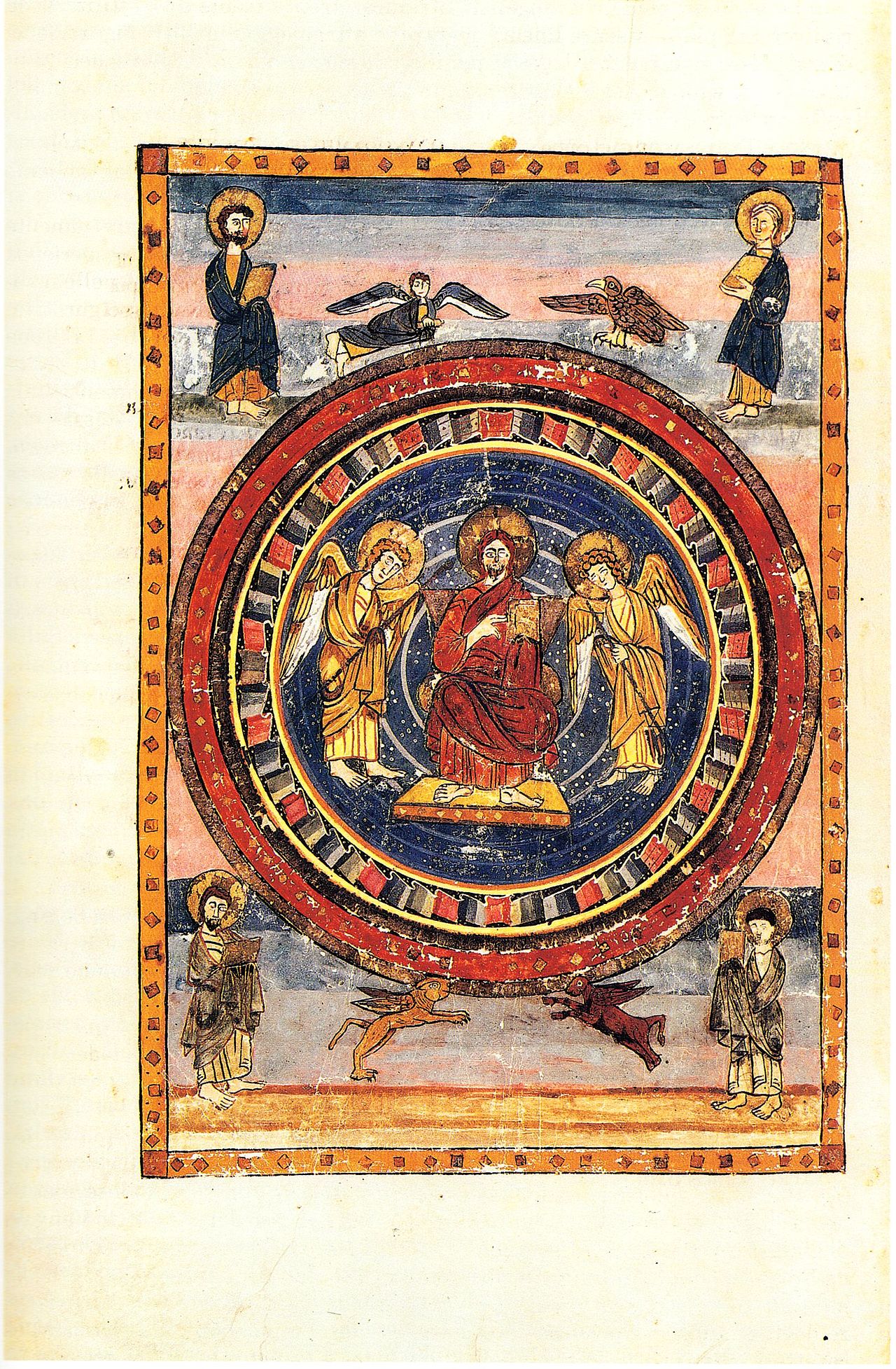
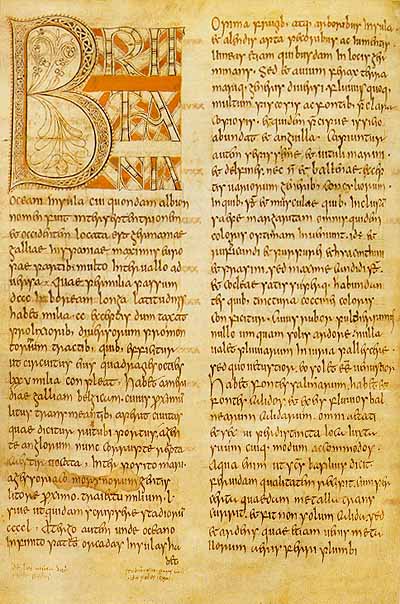
The community built and maintained one of the largest monastic libraries in Anglo-Saxon England. Scriptoria supported the copying and illumination of biblical, patristic and classical texts used for study and liturgy. The library and the scholarly milieu provided the resources Bede drew on when writing historical, theological and scientific works that would circulate widely.
History, legacy and conservation
The houses endured periods of change, including impact from Scandinavian raids and later medieval reforms, and their monastic role altered over many centuries. In modern times the sites have been the focus of archaeological investigation, conservation and public interpretation. The twin monasteries were put forward in national heritage processes and formed the UK nomination for World Heritage status in 2011; further information on that nomination can be found here. For an introduction to their founder and principal figures see the pages on Benedict Biscop and the communities at Monkwearmouth and Jarrow.
- Key features: early stone churches, large library and manuscript production, association with Bede.
- Legacy: essential to understanding Anglo-Saxon monastic learning and the transmission of texts in northern England.
Questions and answers
Q: Who founded the Monkwearmouth and Jarrow monasteries?
A: Benedict Biscop founded both Monkwearmouth and Jarrow monasteries.
Q: What was the architectural style of Monkwearmouth?
A: Monkwearmouth was a magnificent example of the Roman style of architecture.
Q: What was the significance of Monkwearmouth in terms of stained glass in England?
A: Monkwearmouth housed one of the first stained glass works in England.
Q: What was the significance of Jarrow in terms of Anglo-Saxon learning?
A: Jarrow became the center of Anglo-Saxon learning in the north of England and contained the largest library in Anglo-Saxon England.
Q: Who was Bede and what did he do at Jarrow?
A: Bede was a great Anglo-Saxon scholar who studied, taught, and wrote at Jarrow.
Q: Were the Monkwearmouth and Jarrow monasteries considered for World Heritage Site status?
A: Yes, the sister Anglo-Saxon monasteries were the UK nomination for World Heritage Site status in 2011.
Q: How were the Monkwearmouth and Jarrow monasteries run?
A: The Monkwearmouth and Jarrow monasteries were run as a single community.
Related articles
Author
AlegsaOnline.com Monkwearmouth–Jarrow Abbey Leandro Alegsa
URL: https://en.alegsaonline.com/art/66079