
Monira Rahman — Bangladeshi activist, co‑founder and vice‑chair of Acid Survivors Foundation
Bangladeshi human-rights activist (b. 1966), co‑founder and vice‑chair of the Acid Survivors Foundation, known for survivor support, public education, legal advocacy and efforts that helped reduce acid attacks.
Overview
Monira Rahman (born 1966) is a Bangladeshi human-rights activist best known for co‑founding and serving as vice‑chair of the Acid Survivors Foundation (ASF). Her work focuses on preventing acid attacks, supporting survivors through medical and psychosocial rehabilitation, pursuing legal redress, and raising public awareness about the social and legal consequences of acid violence. Rahman has been a prominent voice linking survivor-centred services with policy and legislative advocacy.
Image gallery
1 Image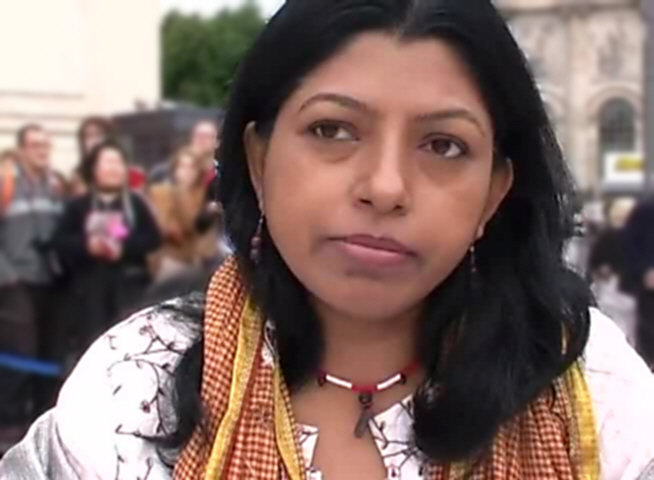
Work and programs
Under Rahman's leadership the organization developed a multi‑faceted response. Core activities include referral for emergency medical care, longer‑term reconstructive and rehabilitative services, counselling and psychosocial support, vocational training and efforts to reduce stigma so survivors can access education and employment. The ASF model also includes public education campaigns that warn about the harms of corrosive substances and encourage reporting and prevention.
Legal advocacy and policy
Rahman helped lead advocacy aimed at tightening controls on the sale and distribution of corrosive substances and at strengthening prosecution and penalties for perpetrators. These efforts involved collaboration with legal experts, law‑enforcement agencies and policymakers to promote laws and procedures that emphasize both prevention and victims' rights. Campaigns combined public pressure, case documentation and strategic use of media to press for reforms.
Impact and trends
Advocacy and interventions associated with Rahman and the organisation have been linked to a substantial decline in reported acid attacks in Bangladesh. The Foundation has reported a reduction of roughly 40% in the number of attacks compared with the early 2000s, a change attributed to combined measures of regulation, enforcement and public education. Data reporting and enforcement vary regionally, and activists note that continued monitoring and stronger implementation remain necessary.
Awards and recognition
Rahman's work has received international recognition. In 2005 she was awarded the Human Rights Award by the German section of Amnesty International; the prize was presented at a ceremony in Berlin in March 2006. This recognition highlighted both the scale of acid violence as a human‑rights issue and the role of survivor‑centred advocacy in achieving legal and social change.
Context and ongoing challenges
Acid attacks are a form of interpersonal and gendered violence that occur in several countries. The approach promoted by Rahman and colleagues — combining survivor support, public education, legal reform and controls on dangerous substances — is widely cited as an example of how coordinated action can reduce incidents and improve survivor outcomes. Nonetheless, activists stress that prevention requires sustained enforcement, social change to address underlying gender norms and access to quality medical and psychosocial care for survivors.
Further reading
For more on the organisation and its programmes see Acid Survivors Foundation. General information about the national context is available through sources on Bangladesh. The award and international recognition are documented by groups including Amnesty International (German section), and reports of the ceremony were noted from Berlin and wider Germany.
Related articles
Author
AlegsaOnline.com Monira Rahman — Bangladeshi activist, co‑founder and vice‑chair of Acid Survivors Foundation Leandro Alegsa
URL: https://en.alegsaonline.com/art/66064