
Military strategy: principles, history, and modern applications
Military strategy is the planning and employment of armed force to achieve political goals. It covers objectives, planning, logistics, deception, and how strategy differs from tactics and grand strategy.
Overview
Military strategy is the deliberate use of armed power and related instruments to secure political objectives. It is often described as a set of ideas and plans expressed as policy; for example, a commander or government might develop a strategic concept or a national policy that guides the use of force. Strategy directs the actions of armed forces so they may prevail in combat, win battles and succeed in wars, while linking military means to political ends.
Image gallery
3 Images

Core components
Effective strategy integrates several interdependent elements. Typical components include:
- Ends, ways, and means: clear objectives (ends), the methods to achieve them (ways), and available resources (means).
- Planning and operational art: sequencing and organizing campaigns through detailed planning and the use of operational-level design.
- Logistics and sustainment: movement, supply and maintenance of forces and equipment, commonly described as logistics.
- Intelligence, command and control, and deception: obtaining information, coordinating forces, and shaping adversary perceptions.
History and development
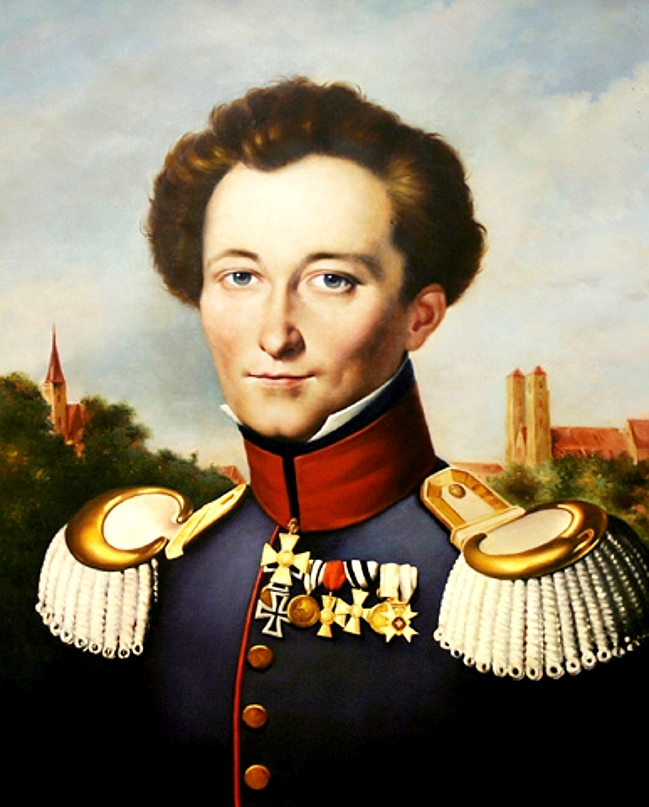
The study of strategy has deep roots. Ancient authors and generals emphasized maneuver, surprise and morale, while modern analysis owes much to writers such as Sun Tzu and, later, Carl von Clausewitz, who is frequently cited as a foundational thinker in modern Western military strategy; his ideas remain influential in doctrine and education (Clausewitz). Over time strategy has adapted to technological changes — from the age of sail to industrialized armies to nuclear deterrence and, more recently, cyber and information operations.
Applications and examples
Strategies vary with purpose: deterrence seeks to prevent conflict, defense aims to deny an adversary’s goals, and power projection seeks to impose will beyond borders. Historical campaigns illustrate different approaches: rapid maneuver and concentration of force, protracted attrition, and irregular or guerrilla strategies that exploit local conditions. Planners also weigh political constraints, public support, and the risk that military action will produce unintended consequences.
Distinctions and notable facts
Two common distinctions help clarify discussion: strategy versus tactics, where tactics concern immediate battlefield actions while strategy sets broader direction; and military strategy versus grand strategy, which fuses military means with economic, diplomatic and informational instruments of national power. Successful strategy is therefore both art and science: it requires rigorous analysis and adaptability in the face of uncertainty.
For further reading on concepts, doctrine and historical cases see strategic theory, national security policy frameworks, classic texts and modern studies of armed conflict (force employment, combat, engagements, warfare) and professional military education resources (planning manuals, logistics guides, historical analyses).
Related articles
Author
AlegsaOnline.com Military strategy: principles, history, and modern applications Leandro Alegsa
URL: https://en.alegsaonline.com/art/64981