
Mikoyan MiG-31 (Foxhound): Soviet/Russian long-range interceptor
The Mikoyan MiG-31 is a twin-seat, twin-engine supersonic interceptor developed in the USSR and introduced in 1982. Known for a powerful phased-array radar and long-range air-to-air missiles.
Overview
The MiG-31, NATO reporting name "Foxhound," is a Soviet-designed long-range interceptor introduced into service in 1982. Built to protect vast airspace against high-speed threats, it combines high speed, long range and advanced sensors to detect, track and engage multiple targets at great distance.
Image gallery
10 Images


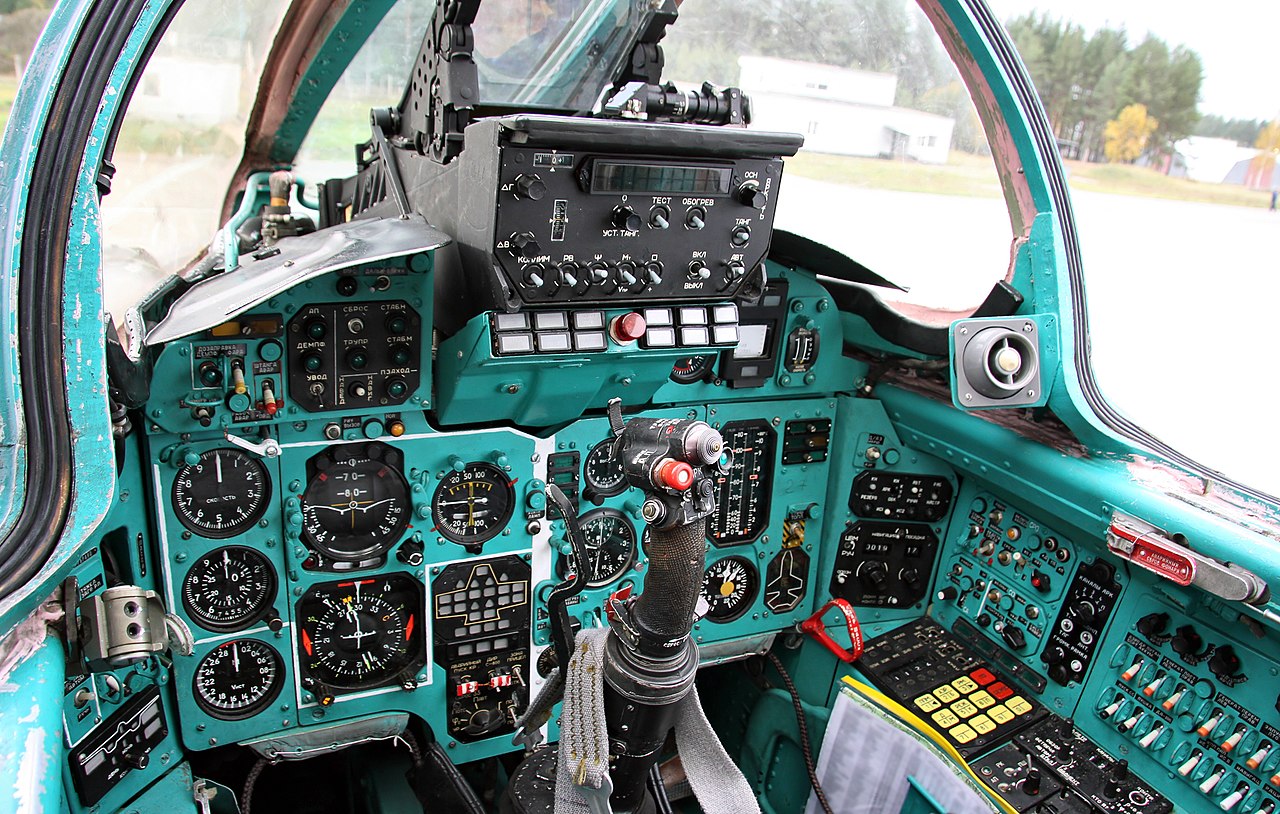


Design and key features
The MiG-31 is a two-seat aircraft with a pilot and a weapons-system officer. It is powered by two afterburning turbofan engines and optimized for high-speed, high-altitude flight. One of its distinguishing features is a large phased-array radar that gave it strong look-down/shoot-down capability and the ability to track several targets simultaneously.
Typical equipment and armament
- Primary long-range radar (phased-array) and multi-target tracking systems
- Long-range air-to-air missiles for interception of bombers, cruise missiles and high-value targets
- Internal and external fuel tanks to extend patrol endurance
- Defensive avionics and datalinks for coordinated operations
Development and operational history
Developed during the Cold War as a more capable successor to earlier high-speed interceptors, the MiG-31 first flew in the mid-1970s and entered Soviet service in the early 1980s. It has undergone several upgrade programs to modernize avionics, weapons compatibility and reliability. In recent years some airframes were modified to carry new long-range weapons, demonstrating the platform's adaptability.
Roles, variants and significance
The aircraft's primary role is airspace defense and interception rather than air superiority dogfighting. Variants include upgraded avionics blocks and specialized conversions for different weapons. The MiG-31 remains important where large areas must be patrolled at high speed and where long-range engagement capability is required, and it continues to serve as a key element of Russia's interceptor force.
Notable facts and distinctions
Unlike lighter multirole fighters, the MiG-31 emphasizes sensor reach, missile carriage and sustained high-speed flight. Its radar and long-range missile combinations allowed it to cover remote approaches and protect strategic assets, making it a distinct and specialized aircraft in postwar air forces.
Related articles
Author
AlegsaOnline.com Mikoyan MiG-31 (Foxhound): Soviet/Russian long-range interceptor Leandro Alegsa
URL: https://en.alegsaonline.com/art/64902