
Mi'kmaq people
Indigenous people of northeastern North America, the Mi'kmaq (Míkmaq) have a distinct language, territory (Miꞌkmaꞌki), history of treaty relations, and continuing cultural presence in Canada and the United States.
Overview
The Mi'kmaq (also spelled Míkmaq, Mi'gmaq, Mi'qmac or formerly Micmac) are an Indigenous people of northeastern North America. Their traditional territory, often called Miꞌkmaꞌki, covers much of what is now Canada's Atlantic Provinces, parts of the Gaspé Peninsula of Quebec and portions of northeastern New England in the United States. The Mi'kmaq are generally classed within the Northeastern Woodlands cultural area and are one of the peoples historically associated with the Wabanaki political and cultural networks.
Image gallery
10 Images





Language and identity
The Mi'kmaq speak an Eastern Algonquian language commonly referred to as Mi'kmawísimk (sometimes seen as Mi'kmawi'simk). The language was once written using a system of hieroglyphic signs and is now written with the Latin alphabet; efforts to revitalize and teach Mi'kmawísimk continue across communities. The adjectival form used by speakers is "Míkmaw," while "Míkmaq" is the plural noun for the people.
Traditional lifeways and material culture
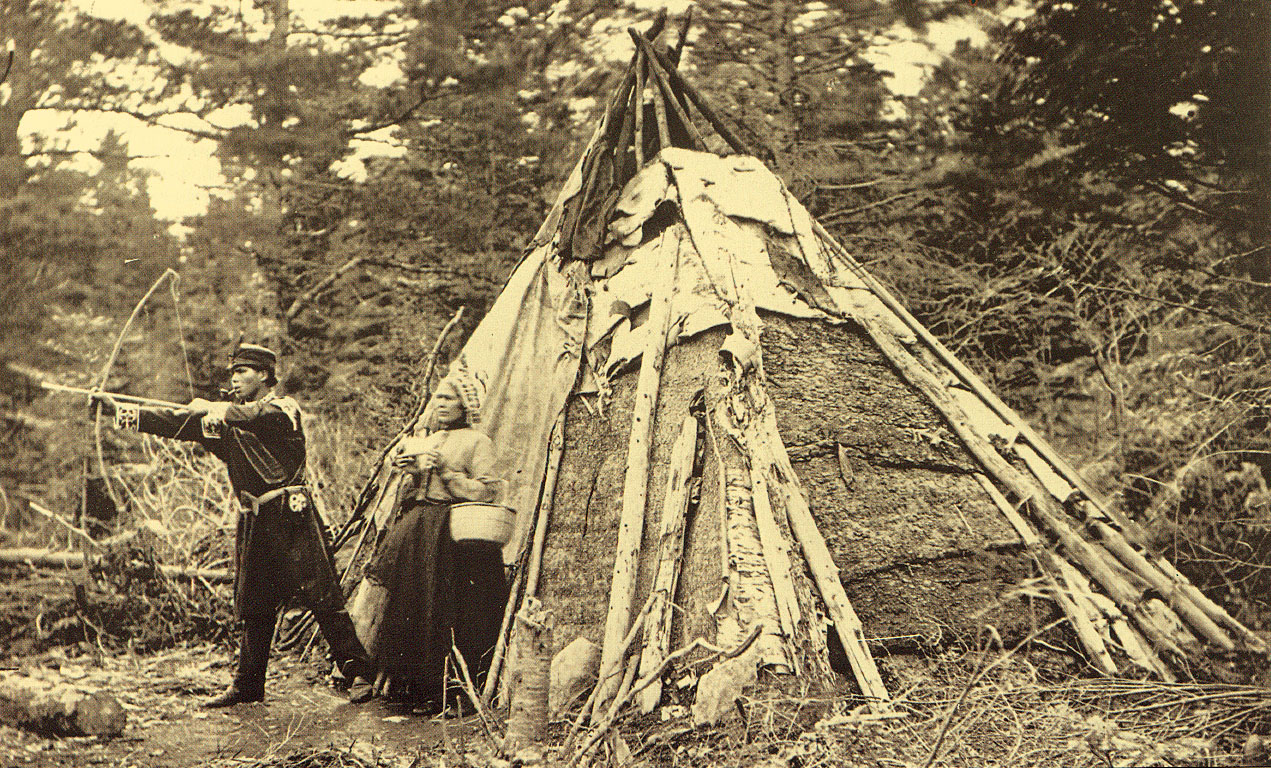
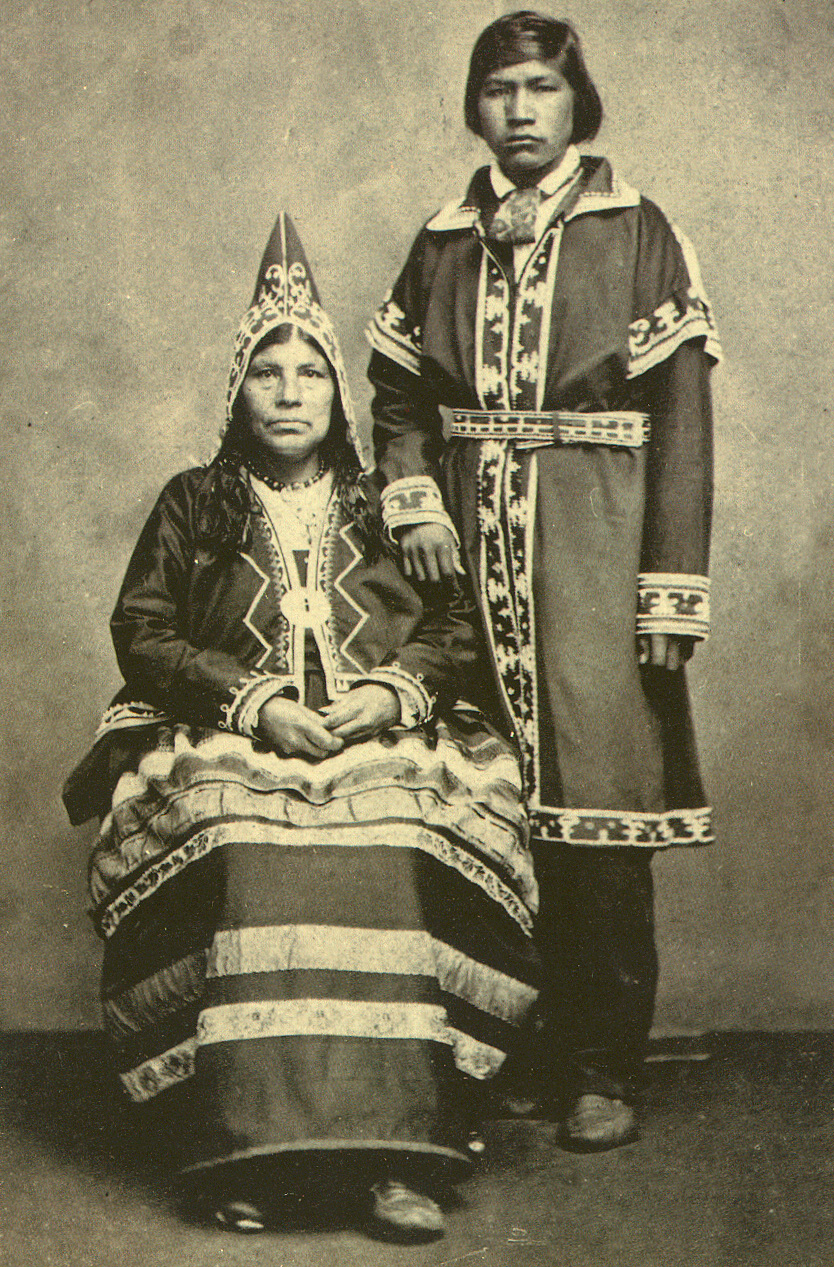
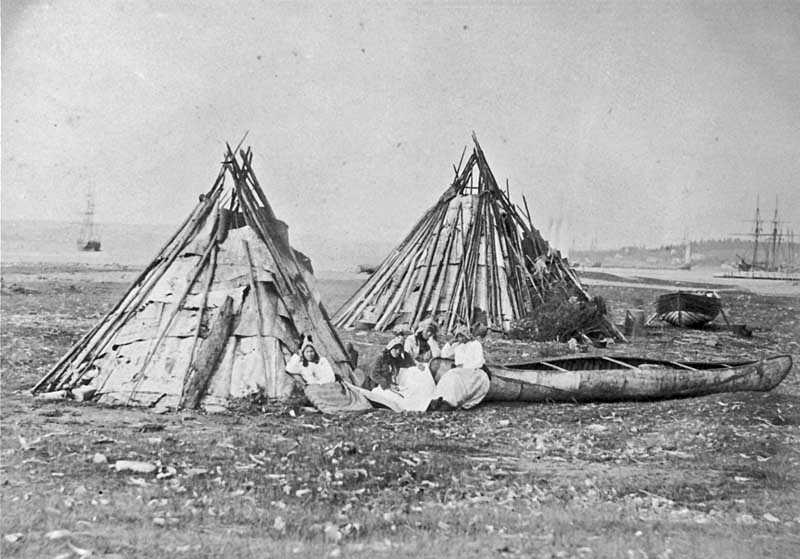
Historically the Mi'kmaq adapted to a coastal and forested environment. They practised seasonal movement to exploit fishing, hunting and gathering resources, and they were skilled in building birchbark canoes and temporary dwellings suited to mobility. Social life centered on kinship networks and bands, with trade and alliances linking Mi'kmaq groups to neighboring Indigenous nations. Ceremonial life, oral history and craft traditions such as basketry, beadwork and story-telling have been important cultural continuities.
History and treaties
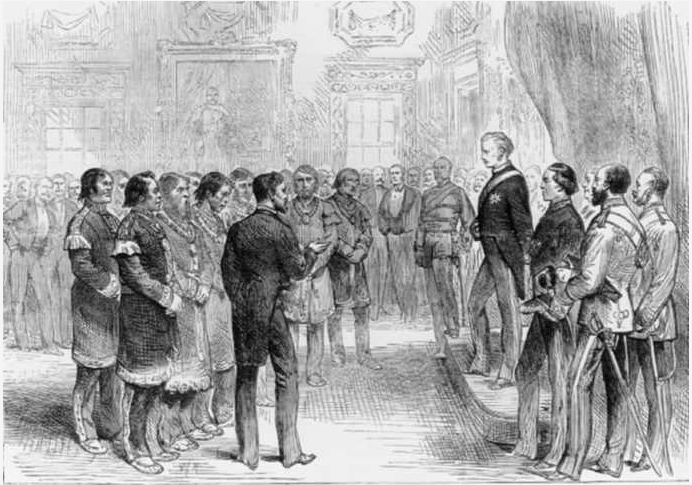
European contact from the 16th century brought dramatic changes through trade, disease, and colonial competition. The Mi'kmaq engaged in the fur trade and navigated shifting alliances with French and British colonizers. In the 18th century, a series of agreements often called the Peace and Friendship Treaties were made between Mi'kmaq leaders and the British Crown; these agreements are still referenced today in discussions of rights and title. Contemporary commemoration includes an annual Treaty Day celebration on October 1st and Mi'kmaq History Month observed in October in several provinces.
Modern communities and governance
Today Mi'kmaq people live in a mix of reserve communities, towns and cities across eastern Canada and parts of Maine. There are many recognized Mi'kmaq First Nations with differing governance structures; some communities have negotiated modern agreements or self-government arrangements, while others continue to pursue legal recognition of rights. Estimates of population vary, but communities number in the tens of thousands, with active cultural revival and language programs.
Contemporary culture and distinctions
Mi'kmaq culture remains visible through language classes, festivals, arts, place names and legal-political initiatives. Notable features that are often highlighted in discussions of the Mi'kmaq include the variety of accepted spellings for the name of the people, the historical use of hieroglyphic writing for religious and pedagogical purposes, and the central place of treaty relationships in modern legal discourse. Museums, community centres and schools play a role in preserving and sharing Mi'kmaq heritage.
Quick facts
- Identity: Indigenous people of the Northeastern Woodlands (First Nations and Native communities).
- Territory: Parts of northeastern New England, Canada's Atlantic Provinces and the Gaspé Peninsula.
- Language: Mi'kmawísimk (Mi'kmaq language), historically written with hieroglyphs and now using Latin script.
- Observances: Mi'kmaq History Month and community celebrations, including in Nova Scotia and Newfoundland and Labrador, and a national Treaty Day on October 1.
The Mi'kmaq have a long-standing cultural presence in northeastern North America and continue to assert language, governance and treaty rights while sharing traditions with wider audiences through education, arts and public ceremonies.
Related articles
Author
AlegsaOnline.com Mi'kmaq people Leandro Alegsa
URL: https://en.alegsaonline.com/art/64888
Sources
- folkstreams.net : folkstreams.net/films/our-lives-in-our-hands