
Miscegenation: history, meaning, and modern perspectives
Miscegenation historically denotes mixing of racial groups by marriage, relationships or procreation. The term is now considered outdated and offensive; modern discussion uses terms like interracial or mixed‑race.
Overview: Miscegenation is a historical term used to describe the mixing of people considered to belong to different racial groups through marriage, intimate relationships, sexual activity, and procreation. In contemporary usage the word is generally regarded as outdated and offensive; scholars and the public more often use terms such as "interracial" or "mixed‑race". The topic intersects with law, social attitudes, race theory, and genetic research.
Image gallery
7 Images


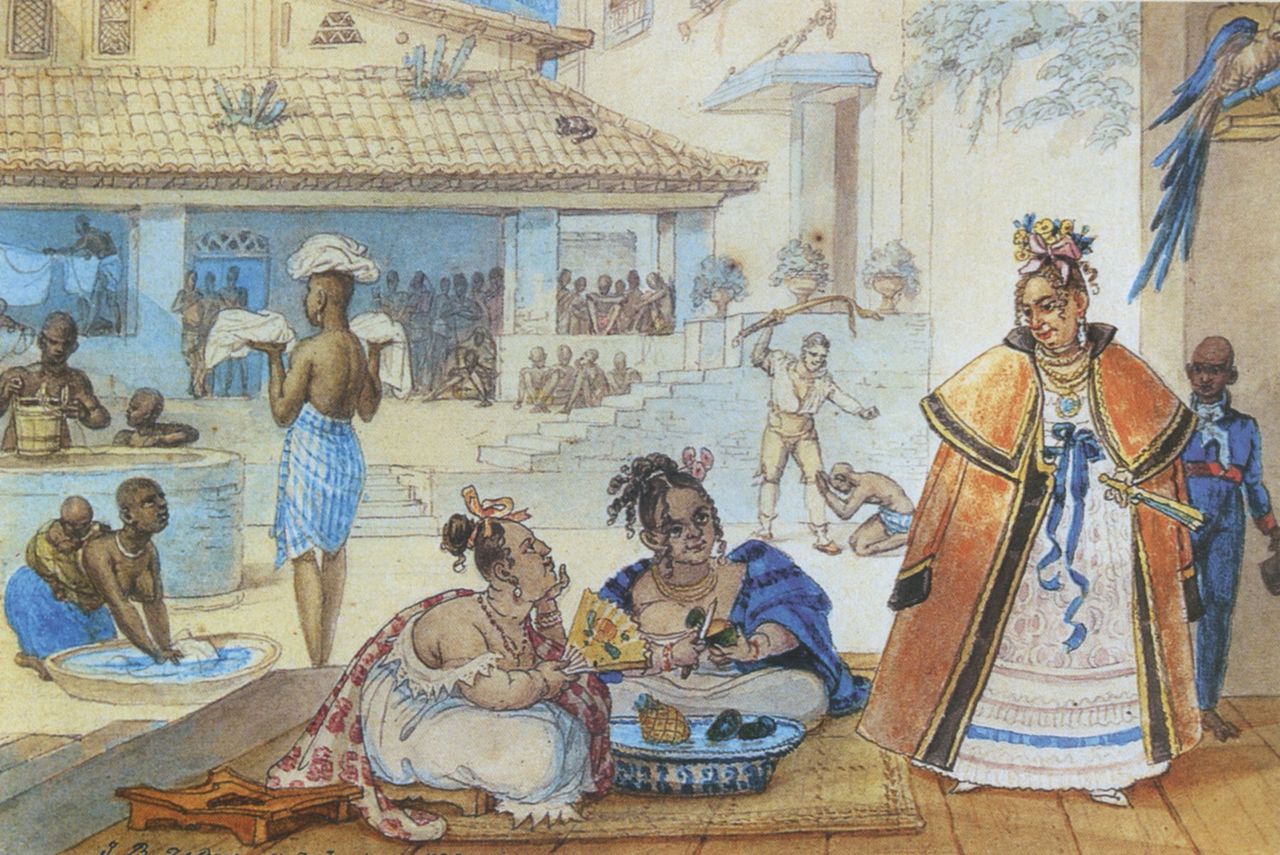

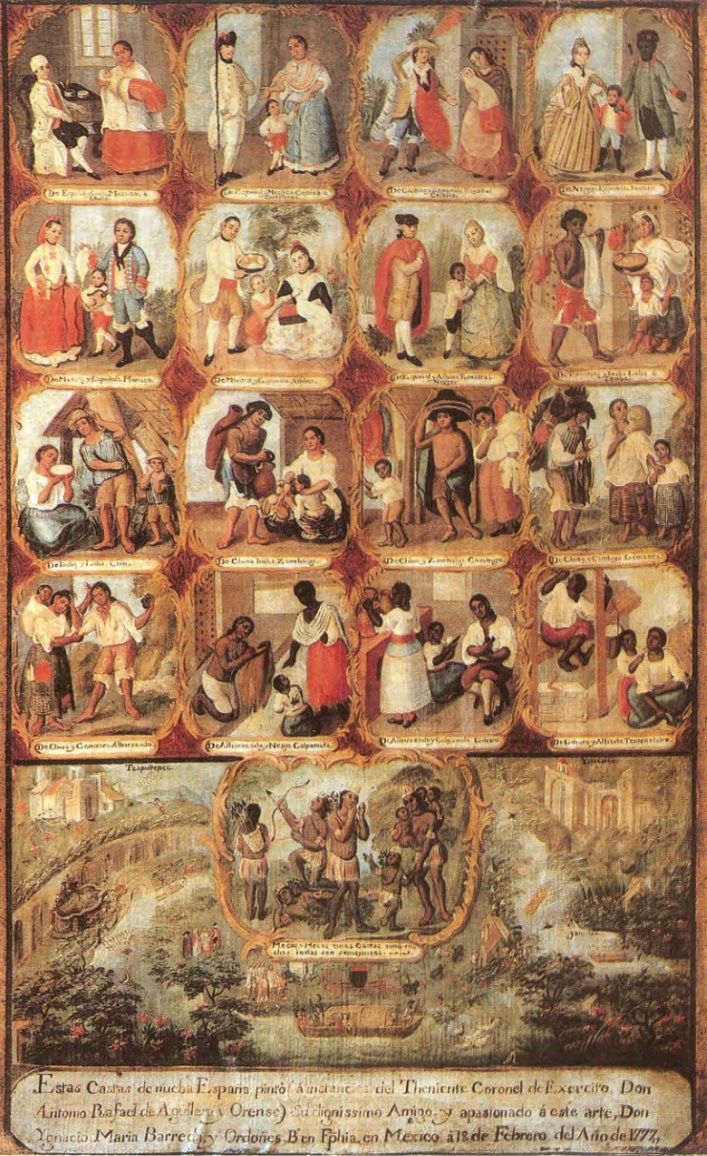

Definition and terminology
Originally coined and popularized in the 19th century, the label framed intimate and familial unions in explicitly racial terms. It was applied to many forms of cross‑group relationships: marriage, cohabitation, dating, and sexual relations such as those described in earlier literature and law. Because the term carries a history of racial hierarchy and stigmatization, careful writing and discussion now avoids it in favor of neutral alternatives like "interracial marriage" or "mixed‑heritage families".
Historical context
The concept of miscegenation has been shaped by legal codes, religious teachings, and social norms. Many societies enacted prohibitions or restrictions on marriages between members of different racial or ethnic groups. Such restrictions were part of legal systems in several countries and colonies and were enforced more strictly at certain periods. Opposition to mixed unions was often justified by pseudoscientific racial theories and by social or political efforts to maintain group boundaries.
Legal and social milestones
- Anti‑miscegenation laws appeared in multiple jurisdictions and were used to forbid interracial marriage and intimate relations.
- Court rulings and legislative changes in the 20th century removed many legal prohibitions; a landmark decision in the United States is the Supreme Court ruling that invalidated state bans on interracial marriage.
- Global trajectories differed: laws and social acceptance changed at different times in different countries, reflecting local histories and politics.
Social and scientific perspectives
From a biological standpoint, modern genetics shows extensive human admixture and that racial categories are poor proxies for genetic diversity. Social science emphasizes that anxieties about mixed unions often reflect broader issues of racism, power, and identity. Studies of mixed‑heritage families examine topics such as identity formation, discrimination, cultural blending, and demographic change.
Contemporary use and notable distinctions
Today, use of the term miscegenation in public discourse is uncommon except in historical description. It is important to distinguish between historical analysis—where the term explains laws, propaganda, or social movements—and present‑day communication, where more respectful, precise language is appropriate. Discussions may refer to interracial relationships, multiracial populations, or admixture studies, depending on whether the focus is legal, social, or biological. For further reading about social and legal dimensions, see resources on interracial marriage and family studies, and historical accounts of legislation and court decisions concerning such unions (sexual relations and policy).
Related articles
Author
AlegsaOnline.com Miscegenation: history, meaning, and modern perspectives Leandro Alegsa
URL: https://en.alegsaonline.com/art/65416
Sources
- dictionary.reference.com : "Miscegenation: Definition of Miscegenation at Dictionary.com"
- articles.cnn.com : articles.cnn.com
- intimateinterracial.com : "Interracial Dating, Interracial Singles"
- ncbi.nlm.nih.gov : "Race mixture"
- ncbi.nlm.nih.gov : 2985265
- pubmed.ncbi.nlm.nih.gov : 21260095
- books.google.com : Multiracial America: A Resource Guide on the History and Literature of Interracial Issues