
Ásatrú (Asatru): Modern Heathenry and the Norse Pagan Revival
Ásatrú is a contemporary revival of pre-Christian Germanic and Norse religious traditions focused on the Æsir and related ancestors, with varied practices, histories, and modern organizations worldwide.
Ásatrú (also written Asatru) refers to a modern religious movement that revives and reinterprets the pre-Christian spiritual traditions of the Germanic and Norse peoples. The name comes from Old Norse: Ása (of the Æsir gods) + trú (faith), often rendered as "faith in the Æsir." Practitioners value a connection with the Norse pantheon, ancestral heritage, cycles of the natural world, and communal ritual. Contemporary Ásatrú is decentralized and diverse: some groups emphasize historical reconstruction, while others adapt symbols and myths from the Poetic and Prose Eddas and the Icelandic sagas to create living religious practices.
Image gallery
10 Images

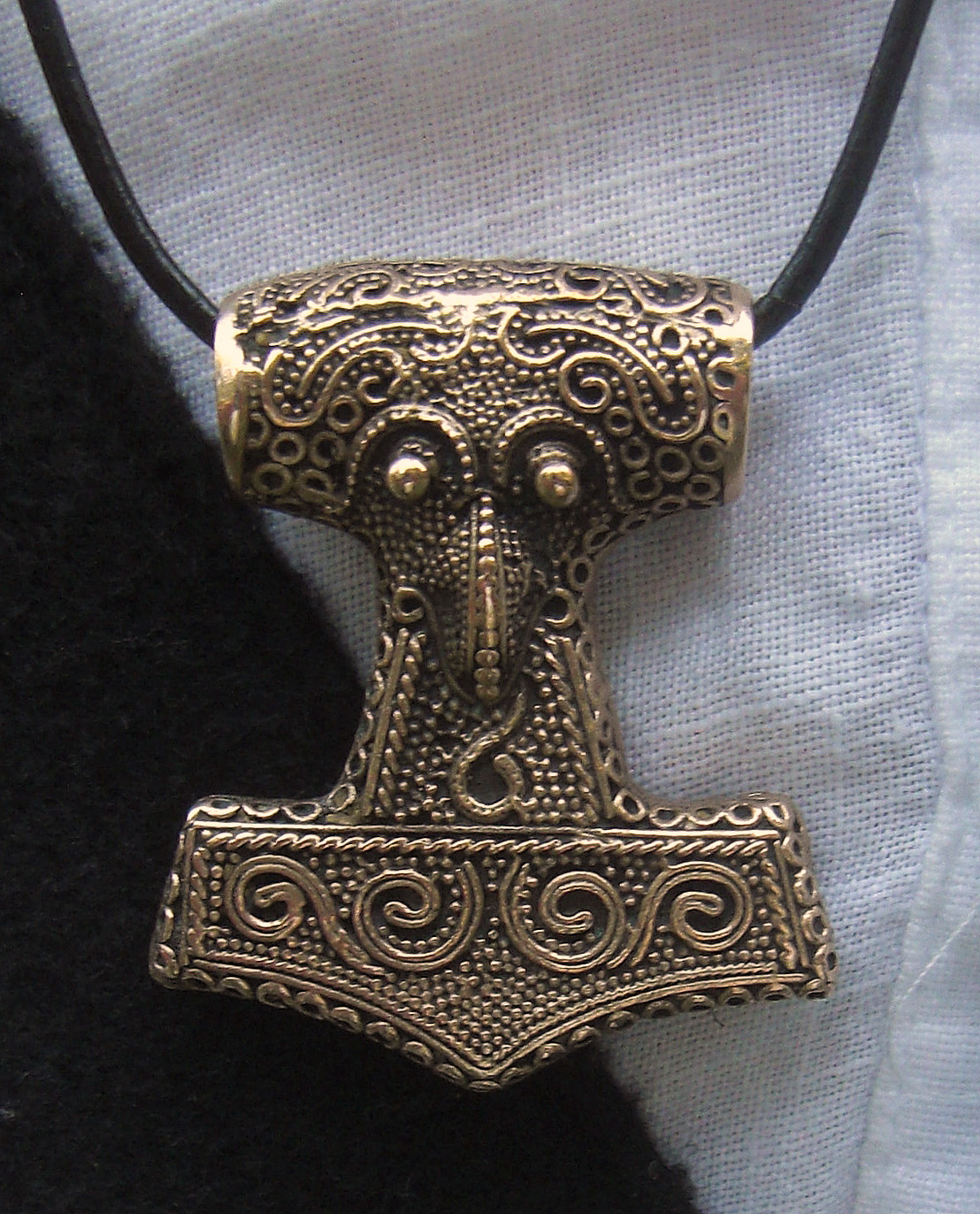


Core beliefs and practices
There is no single creed for Ásatrú; beliefs vary by individual and organization. Common elements include respect for the gods and goddesses of the Norse pantheon (such as Odin, Thor and Freyja), reverence for ancestors, and ritual practices designed to honor relationships between people, land, and the divine. Rituals frequently used in many groups include the blót (a communal offering), the sumbel (ritual toasting and oath-making), seasonal celebrations tied to agricultural and solar cycles, and rites of passage like naming and funerary rites. Moral values tend to emphasize reciprocity, honor, hospitality, and courage.
Historical development
Modern Ásatrú draws on literary sources compiled after the Christianization of Scandinavia, most notably the Poetic and Prose Eddas and the Icelandic sagas, which record myths, poems and cultural memory. In the 20th century, a conscious revival of Norse pagan identity emerged in Iceland and elsewhere. In Iceland, organized Ásatrú gained legal recognition in the 1970s through the efforts of figures such as Sveinbjörn Beinteinsson; the national organization Ásatrúarfélagið became a prominent, legally recognized society. Since then, various Ásatrú and Heathen groups have formed across Europe and North America, each with different emphases on reconstruction, adaptation and community building.
Organization, terminology and contemporary diversity
Practitioners are commonly called Ásatrúar or Heathens. Alternative labels include Heathenry, Germanic Neopaganism, Odinism or Wotanism; some of these terms carry distinct historical or political connotations. The movement ranges from inclusive, universalist communities that welcome members regardless of background to "folkish" groups that place a stronger emphasis on ancestral or ethnic heritage. Many Heathen organizations explicitly reject racism and extremism, while a minority of fringe groups have attempted to appropriate Norse symbols for hateful ideologies; this appropriation is widely contested within the broader Heathen community.
Ritual life and cultural role
Rituals are often communal and designed to strengthen bonds and mark life stages. Blót ceremonies may involve offerings of food, drink or symbolic gifts to deities and ancestors; sumbel ceremonies provide structured toasting and storytelling where oaths and remembrances are spoken aloud. Festivals and seasonal observances help communities celebrate harvests, solstices and other natural cycles. Beyond ritual, Ásatrú can foster cultural interest in Old Norse language, art, law traditions and folklore, and it often intersects with outdoor and land-based activities.
Sources, study and resources
Primary textual sources that inform Ásatrú include the Poetic Edda and Prose Edda, the Icelandic sagas and archeological and folkloric evidence. Scholarly study and community-led reconstruction both contribute to how traditions are practiced today. Those interested in learning more can consult a range of books, community websites and local or national Heathen organizations for balanced introductions and guidance.
Further reading and organizations
- General introduction to Ásatrú
- Norse myth and the Æsir
- Viking-age cultural context
- Ritual practices: blót and sumbel
- Modern gods and goddesses in practice
- Ásatrúarfélagið and Icelandic recognition
- Etymology: meaning of Ásatrú
- Terminology: Heathenry, Odinism and related terms
- Primary medieval sources: sagas and eddas
- Contemporary debates and diversity within Heathenry
Related articles
Author
AlegsaOnline.com Ásatrú (Asatru): Modern Heathenry and the Norse Pagan Revival Leandro Alegsa
URL: https://en.alegsaonline.com/art/6451