
Sulaymaniyah Governorate
Sulaymaniyah Governorate is an eastern Iraqi province in the Kurdistan Region. Its capital is Sulaymaniyah; the area is about 17,023 km² with a population near 1.8 million (est.).
Overview
Sulaymaniyah Governorate (Arabic السليمانية, Kurdish Parêzgay Silêmanî) is a province administered largely within the Kurdistan Region of eastern Iraq. The province's administrative center and largest city is Sulaymaniyah. It covers roughly 17,023 square kilometres and is home to about 1.8 million people, though population estimates vary with time and source.
Image gallery
10 Images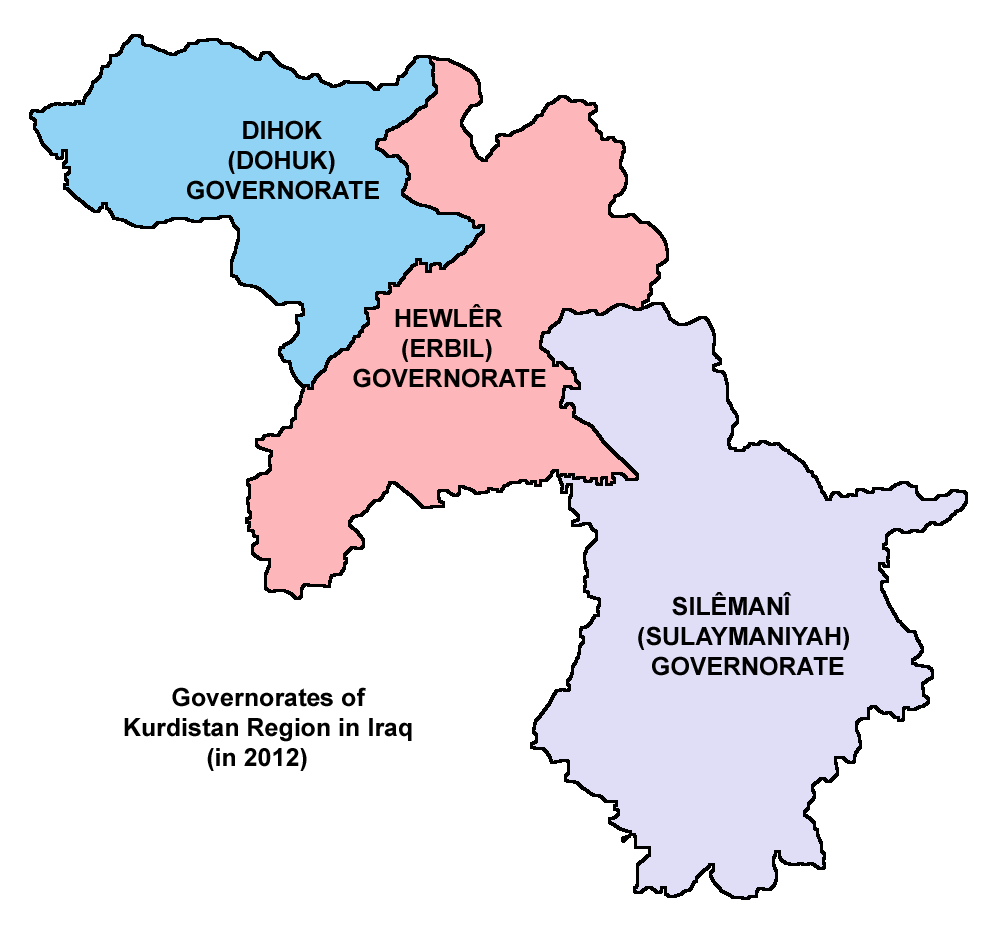




Geography and climate
The governorate sits on the western slopes of the Zagros mountain range and includes a mix of mountain, valley and plateau terrain. Elevation and local topography produce a climate that ranges from cold, snowy winters in upland areas to hot, dry summers in lowland valleys. Rivers and seasonal streams support agriculture in irrigated pockets.
History and development
The area has long been a center of Kurdish cultural and political life. Over the 20th and early 21st centuries it developed urban institutions, universities and cultural centers that serve the Kurdish population. Administrative boundaries and the role of local government have evolved, especially after wider political changes in Iraq and the emergence of the Kurdistan Regional Government.
Administration and population
Sulaymaniyah Governorate is divided into districts and subdistricts that manage local services and planning. The population is predominantly Kurdish, with minorities present in some urban and rural communities. Cities and towns are the main population centers, while many rural areas maintain traditional agriculture and pastoral livelihoods.
Economy and culture
The provincial economy combines public administration, education, trade, small industry, agriculture and services. Sulaymaniyah city is known for its cultural institutions, museums, theaters and universities, making the governorate an important hub for Kurdish literature, media and higher education. Local markets and festivals reflect Kurdish traditions.
Infrastructure and transport
- Road links connect the governorate with other parts of the Kurdistan Region and central Iraq.
- Public services concentrate in urban areas; rural infrastructure varies by district.
- Air, rail or major port links are limited; travelers typically use regional airports and overland routes.
Notable facts
The governorate's mix of mountain landscapes and urban culture gives it a distinctive character within Iraq. It plays a significant role in Kurdish political life, education and the arts. For administrative and general information about the province, see the entry for the governorate and regional resources supplied by authorities and local institutions.
Tags
Related articles
Author
AlegsaOnline.com Sulaymaniyah Governorate Leandro Alegsa
URL: https://en.alegsaonline.com/art/6434