
Sulaymaniyah (Slemani) — city in Iraqi Kurdistan
Sulaymaniyah (Slemani) is a Kurdish cultural and regional center in northeastern Iraq, known for its mountain setting, literary heritage, and role as a historic capital of the Baban principality.
Sulaymaniyah (Kurdish: سلێمانی; Arabic: السليمانية) is a major city in the autonomous region commonly referred to as Iraqi Kurdistan. Often called Slemani in Kurdish, the city occupies a valley surrounded by foothills and ranges, making it a natural hub for surrounding rural districts. It functions today as a political, cultural and economic center for the region.
Image gallery
10 Images


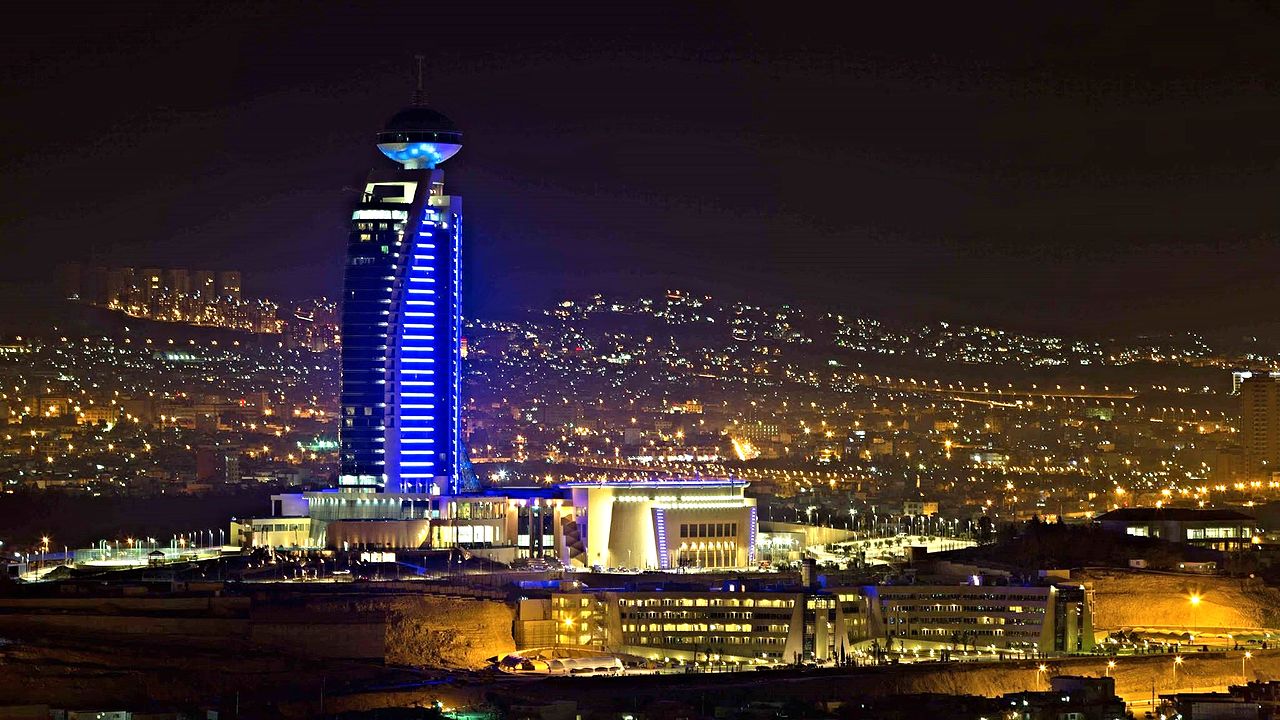


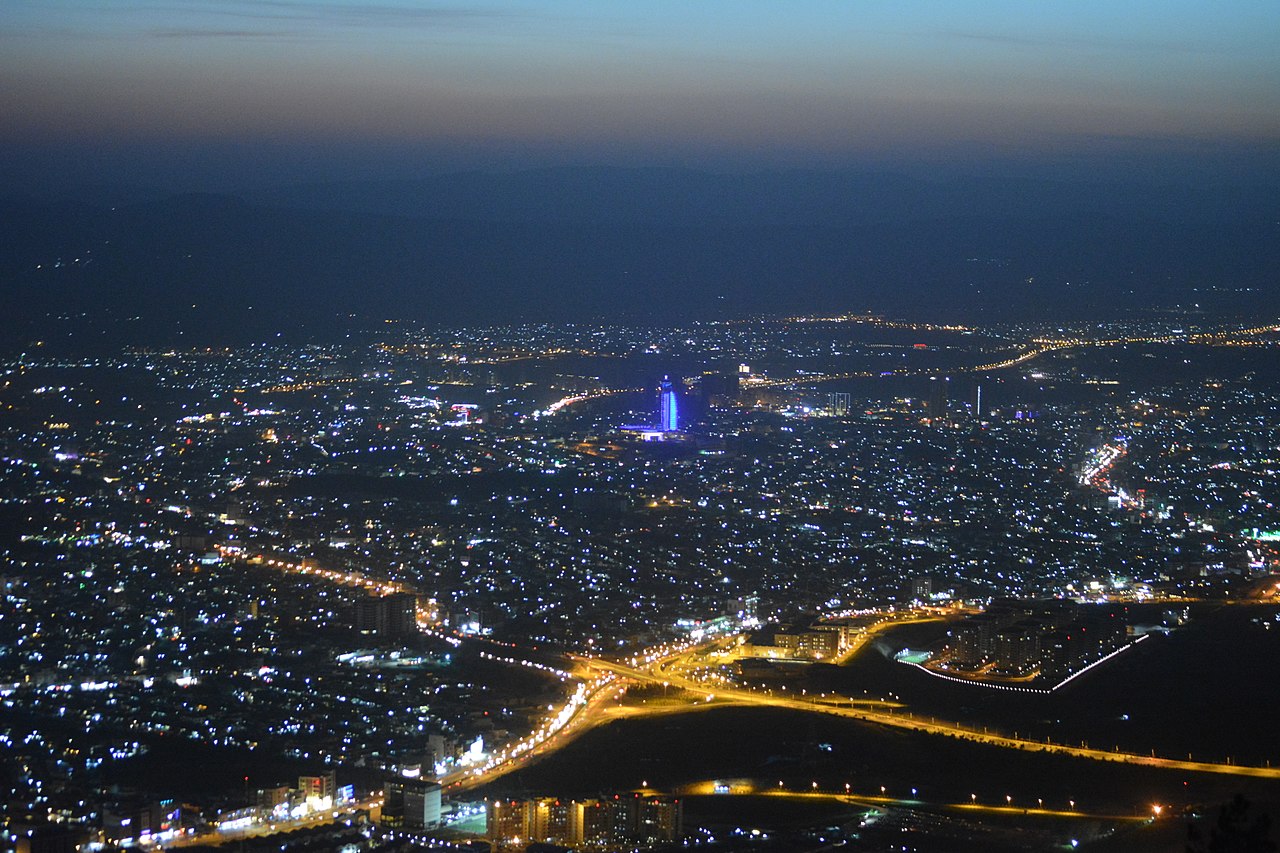

Geography and climate
Sulaymaniyah lies amid several mountain ranges that shape its landscape and local climate. The nearby highlands create dramatic scenery and contribute to a climate that is broadly semi-arid: summers are generally hot and dry, while winters are cooler with more frequent precipitation. The setting produces distinct seasonal contrasts and offers easy access to mountain trails, scenic overlooks and nearby agricultural areas that support local markets.
Founding and historical development
The modern city was established in the late 18th century. It was founded on 14 November 1784 by the Kurdish leader Ibrahim Pasha Baban, who named the settlement for his father, Sulaiman Pasha. Sulaymaniyah served as the capital of the Kurdish Baban principality during the period of its greatest local influence. Over the 19th and 20th centuries the town expanded from an administrative center into a regional urban focal point, absorbing trade, scholarship and political activity from the surrounding countryside.
Culture, education and notable figures
The city has a reputation as a center of Kurdish literature, music and scholarship. From its early years Sulaymaniyah nurtured poets, historians and intellectuals whose work helped shape modern Kurdish cultural identity. Notable historic figures associated with the city include:
- Nalî — a celebrated classical Kurdish poet;
- Mahwi — a poet and Sufi scholar;
- Piramerd — a writer and public intellectual.
In modern times the city hosts universities, cultural centers, museums and a lively press and arts scene. These institutions support higher education, performative arts and the preservation of regional heritage.
Economy, transport and importance
Sulaymaniyah operates as a regional commercial hub: retail, services, light industry and cross-border trade all contribute to its economy. Road links connect it with other Kurdish cities and with neighboring provinces. The city also attracts internal tourism for its museums, cultural festivals and nearby natural sites, and it plays a prominent role in local governance and public life.
Distinctive features and present-day role
Today Sulaymaniyah is often noted for its literary legacy, active cultural institutions, and its mountainous surroundings. Museums and cultural festivals underline a civic identity tied to language, music and historical memory. While the city continues to grow and modernize, its combination of scenic setting, historical roots and vibrant cultural life distinguish it among the urban centers of the region.
For more general reference, consult regional resources and cultural histories that focus on Kurdish urban development and the Baban era. Further reading can be sought via linked region and language entries: Kurdish name, Arabic name, Iraqi Kurdistan, Baban principality.
Questions and answers
Q: What is Sulaymaniyah?
A: Sulaymaniyah is a city in Iraqi Kurdistan.
Q: What are the mountain ranges that surround Sulaymaniyah?
A: The mountain ranges that surround Sulaymaniyah are the Azmer Range, Goyija Range, and the Qaiwan Range in the northeast, Baranan Mountain in the south, and the Tasluja Hills in the west.
Q: What kind of climate does Sulaymaniyah have?
A: Sulaymaniyah has a semi-arid climate with very hot, dry summers, and cool, wet winters.
Q: What was Sulaymaniyah's historical significance?
A: Sulaymaniyah served as the capital of the historic Kurdish principality of Baban from 1784 to 1850.
Q: Who founded the modern city of Sulaymaniyah and when?
A: The modern city of Sulaymaniyah was founded on 14 November 1784 by the Kurdish prince Ibrahim Pasha Baban who named it after his father Sulaiman Pasha.
Q: What was the role of Sulaymaniyah in Kurdish culture?
A: From its foundation, Sulaymaniyah has been a center of great poets, writers, historians, politicians, scholars, and singers, such as Nali, Mahwi, and Piramerd.
Q: What is another name for Sulaymaniyah?
A: Another name for Sulaymaniyah is Slemani.
Related articles
Author
AlegsaOnline.com Sulaymaniyah (Slemani) — city in Iraqi Kurdistan Leandro Alegsa
URL: https://en.alegsaonline.com/art/94704
Sources
- citypopulation.de : "Iraq: Governorates, Major Cities & Urban Centers - Population Statistics, Maps, Charts, Weather and Web Information"
- spu.edu.iq : "Sulaimani Polytechnic University"
- kurdistantribune.com : "Sulaimany: 227 years of glory"