
Metropolitan‑Vickers (Metrovick) — British heavy electrical engineering firm
Metropolitan‑Vickers (Metrovick) was a major British heavy electrical engineering company known for generators, turbines, switchgear, transformers, railway traction equipment, early transistor computing and jet engines.
Metropolitan‑Vickers (commonly Metrovick or Metrovicks) was a leading British heavy electrical engineering firm remembered for a wide range of industrial equipment and for several pioneering developments in mid‑20th century technology. The company grew out of the UK activities of an American firm and operated a very large works at Trafford Park, Manchester, which for much of the century was one of the country’s principal heavy engineering sites. For background on its corporate origin see British Westinghouse.
Image gallery
6 Images



Products and technical specialities
Metropolitan‑Vickers manufactured heavy electrical apparatus for power generation, distribution and industrial use. Its repertoire included rotating and static plant, control equipment and the electrical systems used in rail vehicles. Typical product groups were:
- large generators and alternators for power stations;
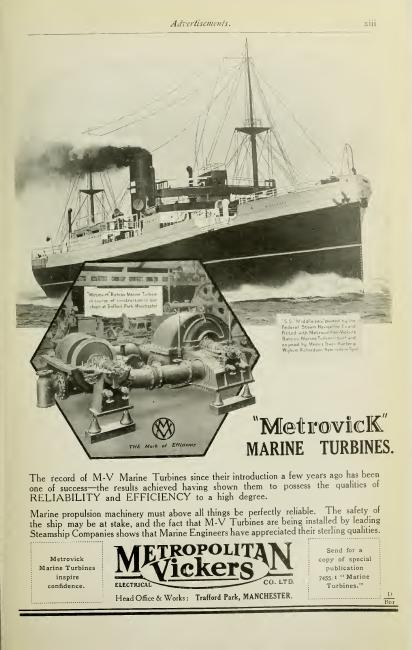
- steam turbines and turbine control systems for industry and utilities;
- switchgear and protection devices for electrical distribution;
- power transformers for transmission and substation use;
- electronics, control gear and early computing equipment;
- electrical traction machinery, motors and control systems for railways.
Innovation and notable achievements
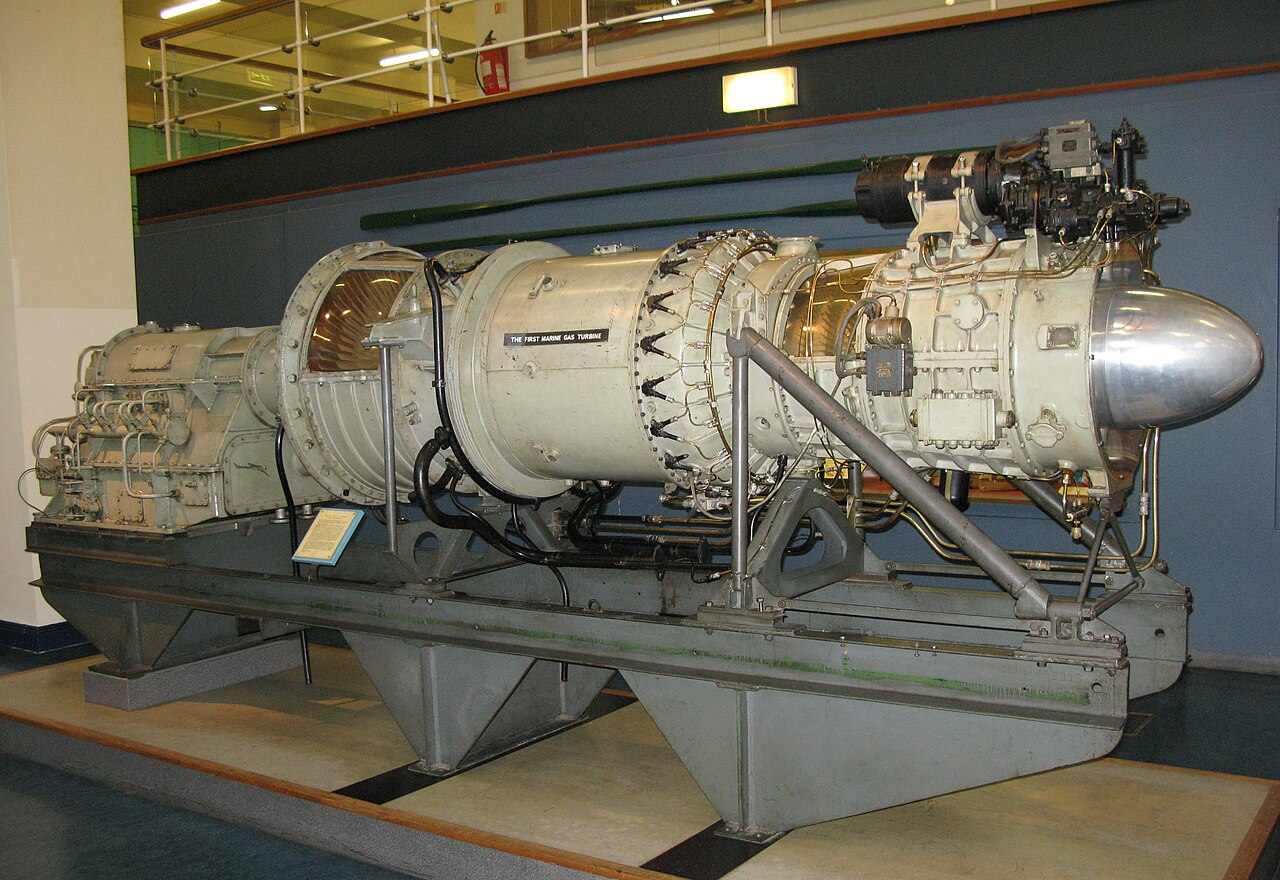
Metropolitan‑Vickers combined heavy engineering with research and development. It is often cited for two historically important projects: the Metrovick 950, regarded as one of the earliest commercial computers to use transistors rather than vacuum tubes, and the Metrovick F.2, an early British axial‑flow jet engine design. While the firm did not become a dominant name in jet propulsion long term, work on axial‑flow concepts contributed to later British aero‑engine technology; more on the engine programme is available at Metrovick F.2. Likewise, the company’s electronics and computing efforts placed it among the pioneering industrial laboratories of the period (electronics).
History and corporate development
The company originated from the UK operations of an American electrical concern and adopted the Metropolitan‑Vickers name as it expanded into a diversified engineering group. Its Trafford Park works became a substantial industrial campus, producing a broad range of heavy plant and components and providing design and testing facilities. Over time the firm participated in industry consolidations and its businesses were merged into larger groups; many of its product lines and engineering skills were retained or redistributed within successor organisations.
Uses, customers and sector importance
Metropolitan‑Vickers supplied equipment to power utilities, industry, transport operators and government projects. Its generators and turbines powered electricity stations, its switchgear and transformers were installed in substations, and its traction equipment served electric and diesel‑electric rail traction schemes. The company’s engineering work therefore played a part in electrification, industrialisation and wartime manufacturing efforts in the UK and abroad.
Legacy and distinctions
Although the Metrovick name has largely disappeared as corporate structures changed, the company’s impact endures in museum exhibits, preserved machines and the technical lineages that continued under other manufacturers. Collectors and historians note the nickname "Metrovick(s)" and the Trafford Park facility as emblematic of British heavy engineering. For further reading about the firm’s origins and early identity see British Westinghouse, and for introductions to its major product areas consult sources on generators, turbines, switchgear, transformers and electronics.
Related articles
Author
AlegsaOnline.com Metropolitan‑Vickers (Metrovick) — British heavy electrical engineering firm Leandro Alegsa
URL: https://en.alegsaonline.com/art/64273