
Midland Railway (1844–1922): history, network and legacy
British railway company formed in 1844 that grew into a major network based in Derby, known for its engineering works and passenger and freight services, later absorbed into the LMS in 1923.
The Midland Railway was a major British railway company that operated across the United Kingdom between its formal creation in 1844 and the end of its independent existence in 1922. Managed from headquarters in Derby, the company built and operated an extensive network of passenger and freight routes that linked the English Midlands with surrounding regions and London. Over the nineteenth and early twentieth centuries it emerged as one of the largest and most influential pre-grouping railway companies.
Image gallery
10 Images


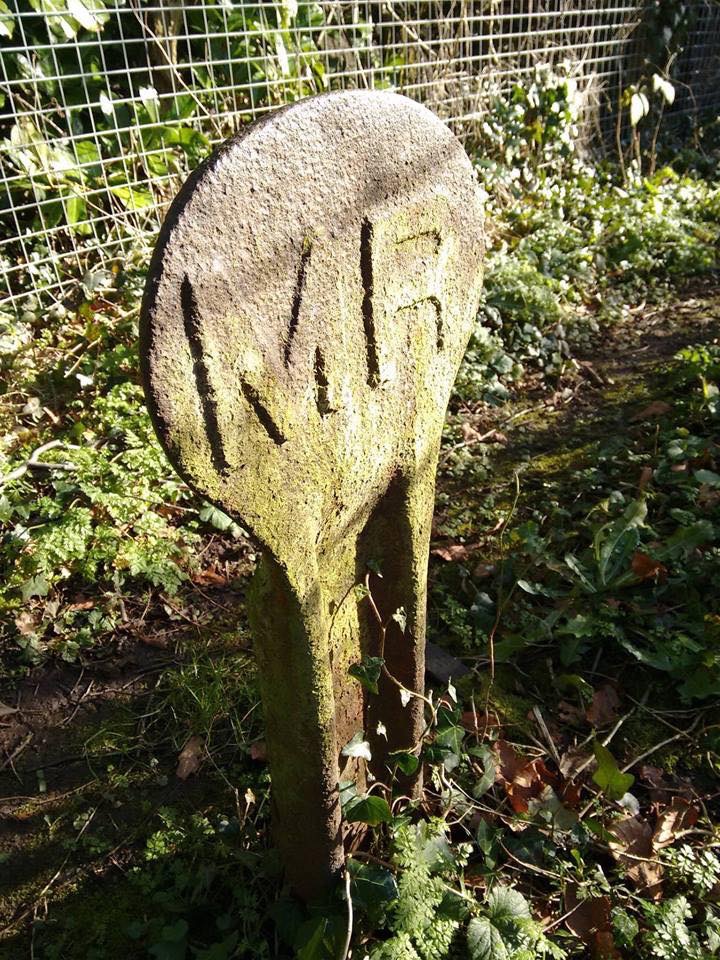

Origins and corporate formation
The Midland Railway was created by bringing together several earlier regional lines, including the Midland Counties Railway, the North Midland Railway and the Birmingham & Derby Junction Railway. These constituent companies had converged on the important interchange at Derby railway station, which became the administrative and operational hub. Two years after the main merger the Birmingham & Gloucester Railway also joined the company, extending its reach southwards. The consolidation epitomised a wider nineteenth-century trend toward larger, more efficient railway companies.
Network, services and engineering
The MR developed a mixed traffic network carrying passengers, manufactured goods and raw materials. It operated main and secondary lines, express passenger services and local branch services, and became known for dependable timetables and extensive freight diagrams. The company established major engineering facilities in Derby: its locomotive works and later carriage and wagon shops became centres of design and maintenance for the whole system, producing engines and rolling stock tailored to its routes and traffic requirements (locomotive works).
- Geographic reach: Central England routes linking industrial towns and connecting to London and provincial ports.
- Engineering base: Derby works as a focal point for locomotive and carriage design and construction.
- Scale: By the early twentieth century the Midland was ranked the third-largest railway undertaking in the British Isles, behind the Great Western Railway and the London and North Western Railway (third-largest).
Development and public role
Throughout its existence the Midland Railway both reflected and shaped the economic geography of the regions it served. It supported the transport of coal, manufactured goods and agricultural produce, while also developing regular passenger services that linked growing industrial and commercial centres. Investment in workshops and standardised equipment helped reduce operating costs, and the company played a role in setting technical and operational practices later adopted more widely across the rail network.
Grouping and legacy
Following the First World War the British railway industry was reorganised under the Railways Act 1921. As part of that process the Midland Railway ceased independent operation at the end of 1922 and, in the 1923 grouping, became a principal constituent of the new London, Midland and Scottish Railway (formation referenced in contemporary legislation 1923 grouping). Its engineering traditions, route patterns and many of its stations and structures continued to influence railway practice and infrastructure long after the company itself was absorbed.
Today the Midland Railway's legacy is visible in surviving track alignments, preserved rolling stock and in the continued importance of Derby as an engineering centre. Histories of British railways commonly cite the MR for its role in network consolidation, industrial connectivity and the professionalisation of railway engineering and operations.
Further reading and archival material can be found in national and local collections, transport museums and specialist studies that cover nineteenth-century railway expansion, company mergers and the transition to the grouped railway era.
Key references and external resources: general context, founding date, end of independence, headquarters, Derby city, company ranking, GWR, LNWR, Derby station, works, Railways Act aftermath, LMS.
Questions and answers
Q: What was the Midland Railway (MR)?
A: The Midland Railway was a railway company in the United Kingdom from 1844 to 1922.
Q: Where was the network of lines managed from?
A: The network of lines was managed from the company's headquarters in Derby.
Q: What position did the MR hold among other railway undertakings in the British Isles?
A: The MR became the third-largest railway undertaking in the British Isles after the Great Western Railway and the London and North Western Railway.
Q: What were the four companies that formed the MR?
A: The company was formed in 1844 by the merger of the Midland Counties Railway, the North Midland Railway, and the Birmingham & Derby Junction Railway. The Birmingham & Gloucester Railway joined two years later.
Q: Where did the earlier systems meet?
A: The earlier systems met at Derby railway station.
Q: Where did the MR establish its locomotive works, and later its carriage and wagon works?
A: The MR established its locomotive works, and later its carriage and wagon works, at Derby.
Q: What happened to the MR in 1923?
A: In 1923, the MR became part of the London, Midland and Scottish Railway under the Railways Act 1921.
Related articles
Author
AlegsaOnline.com Midland Railway (1844–1922): history, network and legacy Leandro Alegsa
URL: https://en.alegsaonline.com/art/64736