
Arvigo: former municipality in the Calanca valley, Graubünden
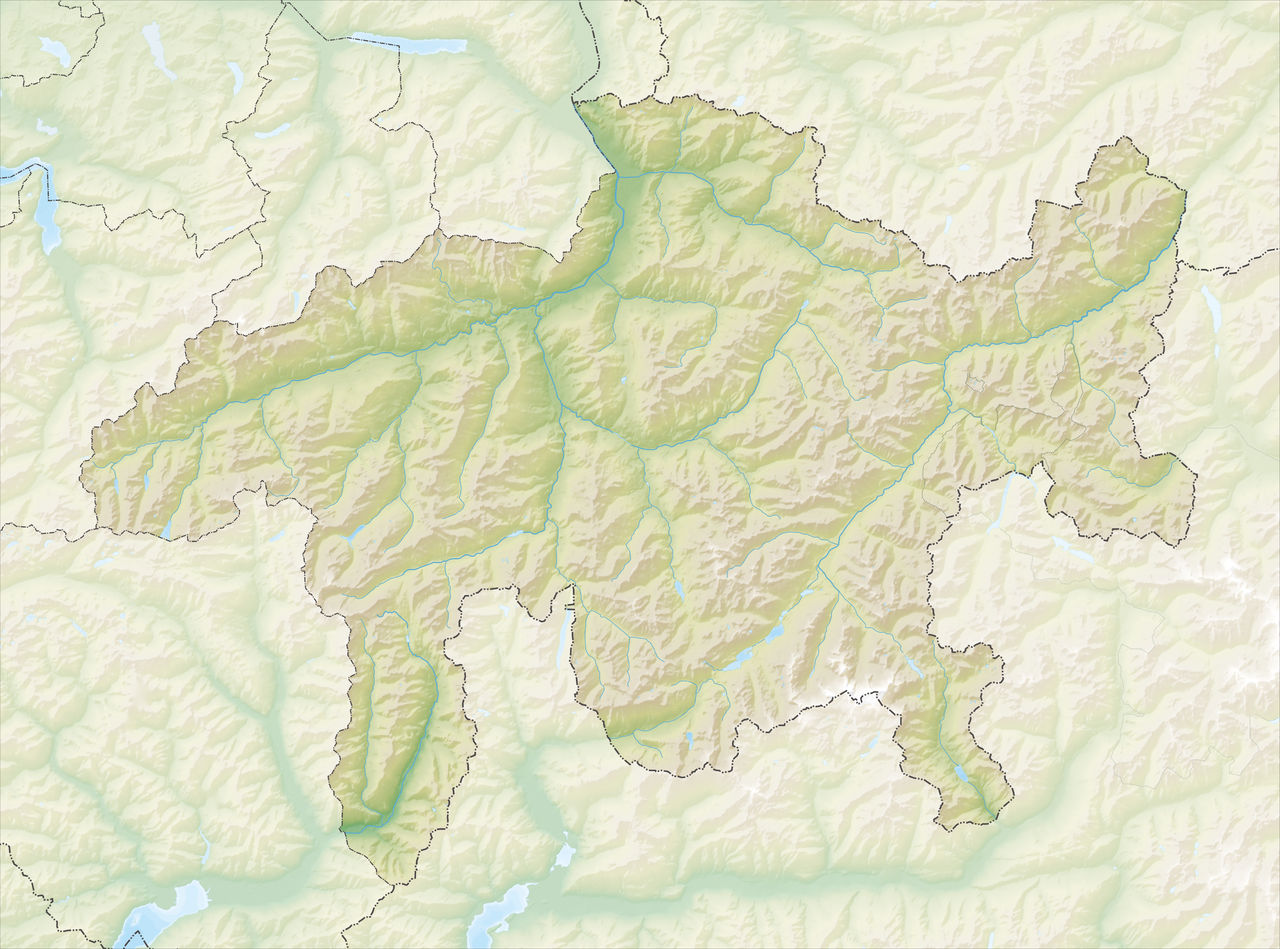
Arvigo was a small mountain municipality in the Calanca valley (district of Moesa), canton Graubünden, Switzerland. In 2015 it merged with Braggio, Cauco and Selma to form Calanca.
Overview
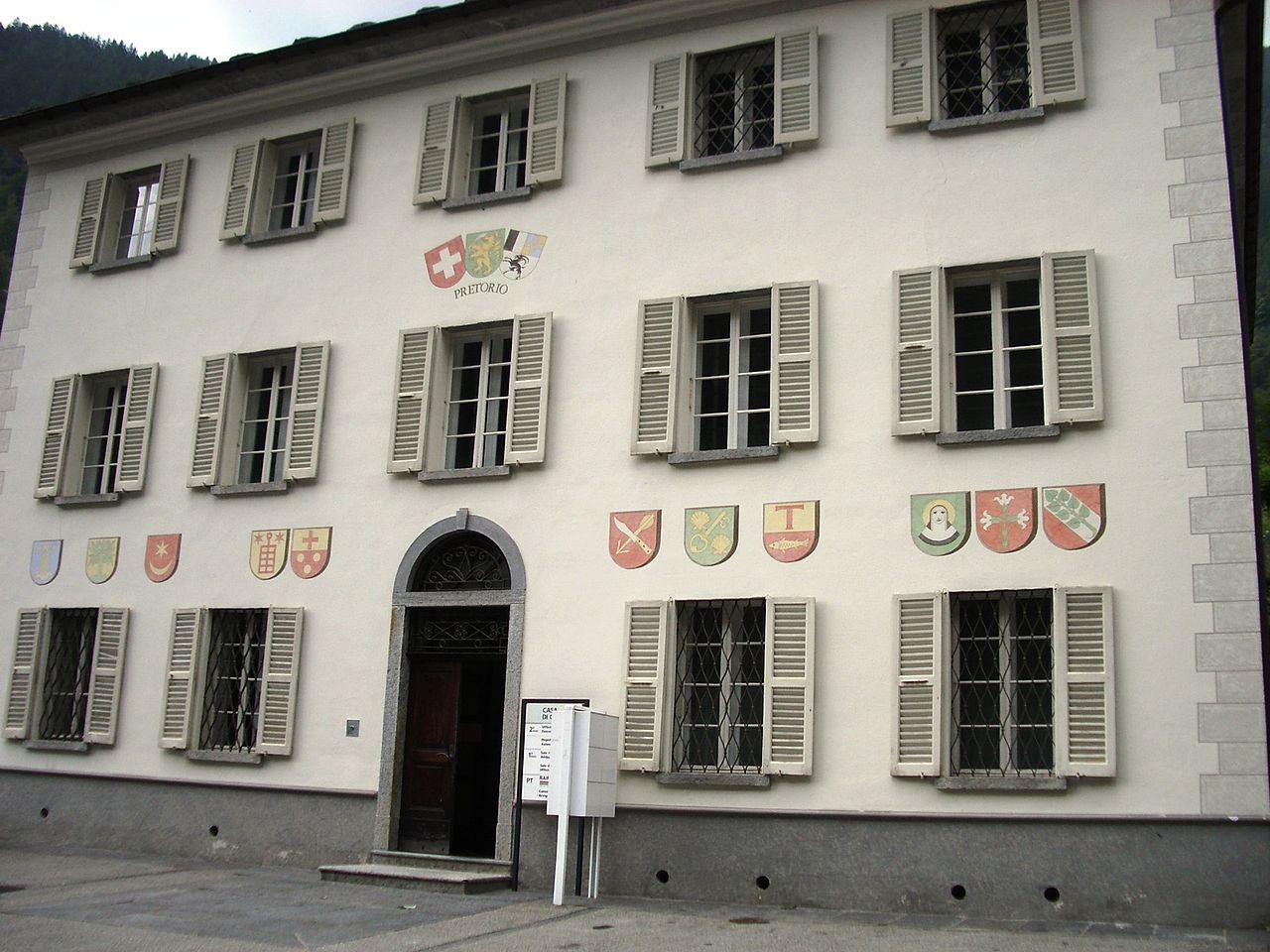
Arvigo was a small alpine municipality located in the district of Moesa in the canton of Graubünden (Grisons), in southern Switzerland. It occupied a compact area in the upper reaches of the Calanca valley, a steep, wooded valley known for its narrow gorges and terraced slopes. The settlement was typical of mountain villages in the region, with traditional stone houses, narrow streets and an economy shaped by the alpine environment.
Image gallery
7 Images




Geography and character
Arvigo sits within a rugged landscape of coniferous forests, pastureland and rocky ridges. The locality is part of the Italian-speaking portion of Graubünden and reflects cross-cultural influences from neighbouring valleys. Access is by valley roads and paths used for hiking and pasture access; the area attracts walkers and those seeking quiet mountain scenery rather than mass tourism.
History and development
The village developed like many small mountain communities in the Alps: agriculture and livestock grazing formed the historical backbone of life, supplemented over time by forestry and seasonal migration. Architectural and village patterns show long-standing rural traditions adapted to steep terrain. Local chapels and community buildings testify to a long-established rural parish life.
Merger into Calanca
On 1 January 2015 Arvigo ceased to exist as an independent municipality when it merged with neighboring Braggio, Cauco and Selma to create the new municipality of Calanca. The merger was part of a wider regional effort to pool administrative resources, streamline services and strengthen local governance in sparsely populated mountain districts.
Economy, culture and significance
Today the area formerly known as Arvigo remains valued for its cultural landscape, small-scale farming, forestry and outdoor recreation. Visitors find hiking routes, traditional village architecture and quiet valley life. The administrative change into Calanca aimed to ensure sustainable provision of public services while preserving local identity and traditions.
- Location: Calanca valley, district of Moesa (Moesa).
- Administrative change: merged in 2015 to form Calanca with Braggio, Cauco and Selma.
- Cultural note: part of the Italian-speaking region of Graubünden.
Related articles
Author
AlegsaOnline.com Arvigo: former municipality in the Calanca valley, Graubünden Leandro Alegsa
URL: https://en.alegsaonline.com/art/6410